
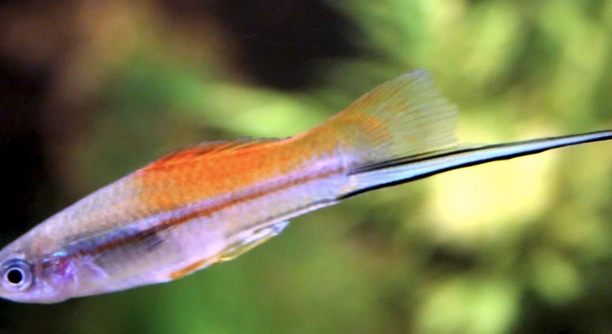
Swordtails are popular aquarium fish known for their vibrant colors and active swimming. However, sometimes they exhibit an unusual behavior: swimming sideways. This can raise concerns among aquarium owners wondering what’s causing this odd movement.
Swordtails sometimes swim sideways due to stress, physical discomfort, or environmental factors. Stressors such as water quality issues, overcrowding, or tank mates can contribute to this behavior. Physical injuries or illness, like swim bladder problems, can also cause such abnormal swimming patterns.
Understanding the underlying reasons behind sideways swimming can help ensure your swordtails thrive in their aquarium environment. Maintaining proper water quality, reducing stress, and monitoring their health will go a long way in preventing this issue.
Possible Reasons for Sideways Swimming in Swordtails
Swordtails are usually active swimmers, but when they start swimming sideways, something might be off. This behavior can be triggered by several factors, from environmental stress to physical health issues. One of the main causes is poor water quality. Swordtails are sensitive to changes in their environment, and if the water is too acidic, too alkaline, or lacks the right balance of chemicals, they can become stressed. Overcrowding in the tank or incompatible tank mates can add to the tension, making your swordtail feel uneasy.
Another reason could be physical discomfort, like an injury or illness. For example, a problem with the swim bladder, which controls buoyancy, can make it difficult for your swordtail to swim normally. This condition may cause the fish to struggle and appear to swim sideways.
It’s important to closely observe your swordtail’s behavior. If they’re swimming sideways consistently, it’s worth checking the water parameters and ensuring that their tank mates are a good fit. Identifying potential stressors or health issues early can make a big difference in helping your swordtail get back to normal.
How to Prevent Sideways Swimming
To prevent sideways swimming, proper tank conditions are essential.
First, check the water regularly. Ensure the pH, hardness, and temperature are stable and within the recommended range for swordtails. Regular water changes will also keep the tank clean and healthy.
Maintaining a spacious tank with plenty of hiding spots is important for swordtails, as they can feel stressed in cramped spaces. Consider adding plants or decorations to create hiding places for your fish. Make sure your swordtail is not kept with aggressive or overly active fish that may stress them out.
If you notice any physical signs of injury or illness, such as swelling or visible damage, address these issues promptly. It’s always a good idea to have a quarantine tank available in case you need to separate an ill fish for treatment. Regular observation and prompt action can go a long way in preventing sideways swimming and keeping your swordtail happy and healthy.
Water Quality Issues
Swordtails are sensitive to water quality, and poor conditions can cause stress. If the water is too dirty, or if parameters like pH, ammonia, or nitrate levels are off, it can negatively affect their swimming behavior. Regular testing and maintenance are key.
Water quality issues are one of the top reasons swordtails swim sideways. In a polluted tank, the fish may struggle to stay balanced. Ammonia and nitrate spikes can irritate their skin and gills, leading to erratic swimming behavior. Keeping the water clean and within the right range for swordtails can prevent these problems.
Use a reliable water testing kit to check levels of ammonia, nitrites, nitrates, pH, and hardness. Aim for a pH of 7.0 to 8.0 and low levels of ammonia and nitrites. Water changes of 25-30% weekly can help keep the environment stable and healthy for your fish.
Overcrowding and Stress
Swordtails require space to thrive, and overcrowding can lead to stress. Too many fish in a small tank can cause aggression and competition for resources, pushing swordtails into defensive behaviors like swimming sideways.
When swordtails feel crowded, they may swim sideways to avoid others or as a sign of anxiety. Inadequate space increases stress hormones, which affect their physical health and behavior. If there’s not enough room to swim freely or hide, they’ll feel vulnerable. A tank that’s too crowded can also result in lower oxygen levels, making it harder for them to swim.
To reduce overcrowding, ensure your tank provides 1 gallon of water per inch of fish. If you have multiple swordtails, you’ll need a tank large enough to accommodate their active swimming. Adding more plants or hiding spots can help reduce stress levels, giving swordtails more options for personal space.
Illness and Injuries
Swordtails can swim sideways if they are dealing with an injury or illness. A common issue like a swim bladder disorder can cause them to lose control of their buoyancy and swim erratically.
Swim bladder disease is one of the most frequent health problems for swordtails. This condition disrupts their ability to float properly, often causing them to swim sideways or upside down. It can be triggered by overfeeding, poor water conditions, or a physical injury. If you suspect your swordtail has a swim bladder issue, seek treatment immediately to prevent further distress.
Tank Mates and Compatibility
Not all fish get along well with swordtails. Aggressive or territorial tank mates can cause stress, making swordtails swim sideways.
If your swordtail is being harassed by other fish, it’s important to separate them. Swordtails are generally peaceful, but they may struggle with overly dominant species. Avoid keeping them with overly aggressive fish or those that compete for similar resources.
FAQ
Why is my swordtail swimming sideways?
Swordtails swimming sideways is usually a sign of stress or health issues. The most common causes include poor water quality, overcrowding, or a physical ailment like swim bladder disease. Stress can occur from environmental factors like sudden temperature changes, inappropriate tank mates, or a lack of space. If you notice sideways swimming, it’s crucial to check the water conditions, reduce stressors, and assess the fish for signs of illness or injury.
Can poor water quality cause swordtails to swim sideways?
Yes, poor water quality is a major factor. Swordtails are sensitive to changes in their environment, and if the water is too dirty or contains high levels of ammonia or nitrates, it can cause stress and abnormal swimming behavior. Regular water changes and proper filtration are essential to maintaining a healthy environment. Keep an eye on pH levels, temperature, and chemical balance to prevent any issues that could lead to sideways swimming.
What other signs should I look for if my swordtail is unwell?
Alongside sideways swimming, look for signs like loss of appetite, lethargy, visible lesions or spots, inflated or bloated body, and abnormal behavior like rubbing against tank surfaces. If your swordtail is struggling with buoyancy or has difficulty swimming upright, it could be a sign of swim bladder disease. Immediate attention is needed to address any potential health problems.
How can I prevent my swordtail from swimming sideways?
Prevention starts with maintaining a clean and stable environment. Regular water changes, testing the water for harmful chemicals, and keeping the tank at the right temperature are key. Make sure the tank is not overcrowded and that your swordtail has plenty of space to swim freely. Also, avoid mixing swordtails with overly aggressive fish that might cause stress.
Is overcrowding a major issue for swordtails?
Yes, overcrowding can lead to significant stress for swordtails. If there are too many fish in a tank, they may feel threatened or compete for space and food, which can cause anxiety and abnormal swimming. A crowded environment can also lead to poor water quality, further exacerbating the issue. For a healthy tank, it’s best to provide 1 gallon of water per inch of fish and give swordtails room to move comfortably.
Can tank mates affect a swordtail’s swimming behavior?
Tank mates can definitely impact a swordtail’s behavior. Aggressive fish or those that try to bully your swordtail can cause stress, which may lead to sideways swimming. Swordtails are peaceful fish and do well with non-aggressive tank mates. Avoid keeping them with large or territorial fish that could harm their well-being. Consider species like guppies, platies, and peaceful catfish that will coexist happily.
What is swim bladder disease and how does it affect swordtails?
Swim bladder disease is a condition that affects a fish’s ability to control its buoyancy. Swordtails with swim bladder problems often struggle to maintain proper balance and may swim sideways, upside down, or float unnaturally. It can be caused by overfeeding, constipation, injury, or poor water conditions. Treatment depends on the underlying cause, but fasting the fish for a few days, feeding them peas, or adjusting water quality can help. In severe cases, medications may be needed.
Should I separate a swordtail that is swimming sideways from others?
If a swordtail is swimming sideways due to illness or injury, it may be best to separate them from other fish to avoid further stress or injury. A quarantine tank can help monitor the fish and provide a controlled environment for treatment. However, if the sideways swimming is caused by stress from tank mates, consider adjusting the tank layout or moving aggressive fish to different tanks.
Can I treat swordtail swim bladder disease at home?
Yes, swim bladder disease can often be treated at home. Start by isolating the affected fish in a quarantine tank. Fasting the fish for a few days can help clear up constipation, which is a common cause. You can also offer small amounts of cooked peas, as they act as a mild laxative. If the issue persists, you may need to consult with a veterinarian for specific treatments or medications.
How often should I change the water to keep my swordtail healthy?
Water changes are essential to maintaining a healthy tank environment for swordtails. Aim for a 25-30% water change once a week to remove waste, prevent toxic buildup, and maintain stable water conditions. More frequent water changes may be needed if you have a heavily stocked tank or notice water quality issues. Always use a water conditioner to neutralize chlorine or chloramine if using tap water.
Can temperature fluctuations cause swordtails to swim sideways?
Yes, sudden or extreme temperature fluctuations can cause stress in swordtails. They are tropical fish and prefer stable temperatures between 72°F and 82°F (22°C-28°C). Rapid changes in temperature can shock their system, leading to erratic swimming. Keep a reliable heater in the tank and monitor the temperature regularly to avoid large swings.
Is there a way to help a swordtail that’s swimming sideways due to stress?
Reducing stress is the first step in helping a swordtail that’s swimming sideways. Check the water parameters, and ensure that the tank is not overcrowded. Provide plenty of hiding places to give your swordtail a sense of security. If the sideways swimming is caused by tank mate issues, consider rearranging the tank or moving aggressive fish to separate tanks. Reducing stress will help your swordtail feel more comfortable and likely stop swimming sideways.
How can I tell if my swordtail is stressed?
Signs of stress in swordtails include erratic swimming behavior, such as swimming sideways, hiding frequently, loss of appetite, or increased breathing rate. They may also show a darker coloration or act more skittish than usual. Stress can be caused by poor water quality, overcrowding, aggression from tank mates, or environmental changes like sudden shifts in temperature or light.
Are swordtails more prone to swimming sideways than other fish?
Swordtails are no more prone to swimming sideways than other species, but their behavior can be more noticeable due to their active swimming habits. Like all fish, they can swim sideways when stressed or unwell. Proper care, a clean tank, and a peaceful environment will help reduce the chances of this behavior.
Final Thoughts
Swordtails are lively and hardy fish that can bring color and energy to your aquarium. However, when they start swimming sideways, it can be a sign of underlying issues. It’s essential to pay attention to their environment and health to ensure they stay happy and healthy. The most common causes for sideways swimming are poor water quality, stress from overcrowding, or health problems such as swim bladder disorder. Identifying these factors early on can help you address the issue quickly and prevent further complications.
Taking care of water quality is crucial for swordtails. Regular water changes and monitoring the levels of ammonia, nitrites, and nitrates are key to keeping the tank environment safe. Swordtails are sensitive to changes in water chemistry, so it’s important to keep the water within the recommended range. Additionally, keeping the tank clean and ensuring good filtration can go a long way in reducing stress. If you notice sideways swimming, check the water quality first and make any necessary adjustments before considering other possible causes.
Providing enough space for your swordtail to swim freely is another important aspect of keeping them healthy. Swordtails are active swimmers and need space to move around. Overcrowding can lead to stress, which can manifest as sideways swimming. Make sure your tank is appropriately sized for the number of fish you have. If needed, adjust the number of fish or add more plants and hiding spots to reduce stress. Monitoring your swordtail’s behavior closely and taking action when needed will help ensure they continue to thrive in your aquarium.

Hello,
If you enjoy the content that we create, please consider saying a "Thank You!" by leaving a tip.
Every little bit helps us continue crafting quality advice that supports the health, happiness, and well-being of pets around the world, for pets of all shapes, sizes, and species.
We really appreciate the kindness and support that you show us!