
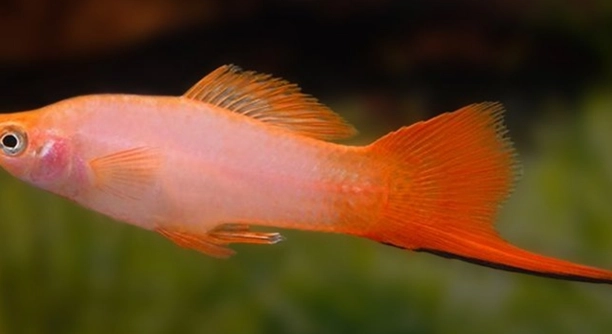
Swordtails are known for their social behavior, often interacting with their mates. However, sometimes these fish may ignore each other, leaving owners wondering why this happens. Understanding this behavior can help improve their well-being.
Swordtails may ignore mates for various reasons, including stress, poor water conditions, or health issues. Environmental factors, such as water temperature or overcrowding, can also influence their behavior, causing them to become less interactive.
This behavior is often temporary, but understanding its causes can help you ensure the best environment for your swordtails.
Stress and Environmental Factors
Swordtails are sensitive to stress, and various environmental factors can contribute to this. Changes in water temperature, poor water quality, or overcrowding in the tank can all trigger stress. When stressed, swordtails may retreat or ignore their mates. It’s important to regularly test water parameters such as pH, ammonia levels, and nitrate levels. Keeping the tank clean and properly filtered will help prevent these stressors from affecting their behavior. Stress can also result from sudden changes in the tank, like introducing new tank mates or rearranging decorations.
Sometimes, swordtails become stressed due to excessive noise or activity around the tank. Keeping their environment calm and stable promotes a sense of security and well-being. Swordtails thrive in a peaceful environment with stable water conditions.
Regular maintenance of the tank ensures that the swordtails feel comfortable and secure. This can significantly reduce stress and encourage more interaction between them. Ensuring that their environment is optimized for their needs will help them feel less isolated.
Health and Behavior
A swordtail’s health is critical in determining its social interactions. Illnesses or parasites can make them act lethargic or antisocial. If a swordtail is feeling unwell, it may avoid its mates. Regular health checks, such as monitoring for external signs of illness, can help detect problems early. It’s important to provide a balanced diet to support their immune system.
Swordtails may also become less active or ignore their mates due to injury. Even small wounds can affect their behavior, making them less social. In some cases, a swordtail may display territorial behavior if it feels threatened, leading to the exclusion of its mate. It’s essential to observe their behavior and address any signs of illness quickly.
If you notice a swordtail acting unusually or avoiding its mate, check for signs of injury or sickness. Maintaining a clean tank and balanced diet supports healthy behavior and helps swordtails recover more quickly from any ailments. This promotes their social interactions and overall well-being.
Overcrowding and Social Hierarchy
Swordtails can become stressed in overcrowded tanks, as too many fish may limit their space. This can lead to aggression or territorial behavior, making them less likely to interact with their mates. It’s crucial to maintain an appropriate stocking density for the tank size. Overcrowding can also affect water quality, further increasing stress levels.
Swordtails need enough room to swim freely, and providing hiding spots can help reduce tension. When tank mates are introduced, it’s important to consider the size and temperament of each species. Swordtails, being social, can interact well with peaceful fish, but overcrowding will cause them to become more withdrawn and less interested in mating.
Ensuring that there is enough space for each fish allows them to feel comfortable, reducing stress and encouraging normal social behaviors. Swordtails thrive in balanced communities where they aren’t competing for space, making it essential to carefully plan the stocking of your tank. Keeping the right balance helps maintain harmony and promotes healthy relationships between mates.
Water Temperature and Quality
Swordtails are sensitive to changes in water temperature, which can significantly impact their behavior. If the water is too cold or too warm, swordtails may become sluggish or avoid interacting with their mates. Maintaining a stable temperature range between 72°F to 82°F (22°C to 28°C) is ideal. It’s also important to monitor the water’s oxygen levels, as poor oxygenation can lead to stress.
Along with temperature, water quality plays a critical role in a swordtail’s social interactions. High levels of ammonia or nitrates in the water can irritate the fish, making them more likely to ignore their mates. Regular water changes, a good filtration system, and monitoring water parameters can help maintain a healthy environment.
Swordtails thrive in clean, well-maintained tanks. Keeping the temperature stable and ensuring proper filtration reduces the likelihood of stress. When swordtails feel comfortable in their environment, they are more likely to engage in social behaviors, including interaction with their mates. Regular testing of water quality and consistent care is essential for maintaining a healthy tank.
Tank Size and Space
Swordtails need ample space to swim, as cramped conditions can lead to stress and reduced interaction with mates. The minimum tank size for a small group of swordtails is 20 gallons, allowing them to establish their territories and engage in normal social behaviors. Larger tanks provide more room for them to move.
Inadequate space also limits the number of hiding spots available. Swordtails may become less social if they feel they cannot escape stressful situations. By ensuring sufficient tank space and arranging the environment with plants and decorations, swordtails will feel safer and more inclined to interact with each other.
Feeding Habits
Feeding swordtails the right amount and type of food can influence their social behavior. Overfeeding or feeding the wrong foods may cause stress or discomfort. Offering a balanced diet with a mix of flakes, pellets, and live foods keeps them healthy and active, encouraging normal interactions with mates.
Swordtails are active feeders, so having enough food to meet their needs is important. However, overfeeding can lead to poor water quality, contributing to stress and affecting their behavior. Providing a varied, nutritious diet ensures they are healthy, reducing the chances of them ignoring mates due to hunger or discomfort.
Compatibility with Other Fish
Choosing compatible tank mates is essential for swordtail behavior. Aggressive or overly territorial species can stress swordtails, causing them to ignore or avoid interaction with mates. Peaceful fish work best in a community tank with swordtails, allowing them to maintain their social nature without feeling threatened.
When selecting tank mates, it’s important to ensure that the other fish in the tank are non-aggressive and have similar care needs. Swordtails thrive when surrounded by peaceful, compatible fish. Stress from aggressive fish can cause swordtails to retreat and lose interest in their companions, disrupting social behavior.
FAQ
Why do swordtails sometimes ignore their mates?
Swordtails may ignore their mates due to stress, poor water conditions, overcrowding, or health issues. They are sensitive to environmental changes such as fluctuating water temperature, high ammonia levels, or inadequate space. When swordtails feel stressed, they may become withdrawn or avoid interacting with their tank mates. Ensuring a stable, clean environment with optimal water conditions is crucial for promoting healthy social behavior. Regular maintenance of the tank, such as water changes and proper filtration, can prevent these issues.
Can swordtails ignore mates if they’re sick?
Yes, swordtails may ignore their mates if they are sick or injured. When swordtails feel unwell, they may become lethargic and less social. Illnesses such as internal parasites, external wounds, or infections can reduce their activity levels and lead to them avoiding others in the tank. It is important to observe any signs of illness or abnormal behavior, such as a lack of appetite, unusual swimming patterns, or visible sores. Promptly addressing health issues can help swordtails recover and return to their normal social behaviors.
Do swordtails need a lot of space to interact with mates?
Yes, swordtails require ample space to interact with their mates. A crowded tank can increase stress levels, resulting in reduced social behavior. In an overcrowded tank, swordtails may feel territorial or stressed, leading them to ignore their mates. Ensuring enough space in the tank allows swordtails to swim freely and establish their territories, which promotes natural social interactions. A 20-gallon tank is the minimum recommended size for a small group of swordtails, with larger tanks offering more room for movement and better conditions for socializing.
Can swordtails become territorial and ignore mates?
Swordtails can become territorial, especially if they feel their space is being threatened. In a tank that is too small or overcrowded, they may develop territorial behaviors and avoid interaction with others. This can result in swordtails ignoring their mates or becoming aggressive towards them. Providing enough space, hiding spots, and plants in the tank can help reduce territorial behavior. Swordtails will feel safer in a more natural environment and are more likely to engage in social interactions. Territorial behavior is more common in males, especially when competing for a mate.
How do water temperature and quality affect swordtail behavior?
Water temperature and quality significantly impact swordtail behavior. Swordtails thrive in water temperatures ranging from 72°F to 82°F (22°C to 28°C). If the temperature fluctuates too much or falls outside this range, swordtails may become stressed and inactive, potentially ignoring their mates. Poor water quality, including high levels of ammonia or nitrates, can also lead to stress and reduced social behavior. It’s important to regularly monitor water conditions, conduct water changes, and maintain proper filtration to ensure the health and well-being of your swordtails.
Do swordtails ignore mates when they’re stressed?
Yes, swordtails may ignore their mates when they are stressed. Stress can result from a variety of factors, such as changes in the environment, overcrowding, or aggressive tank mates. Stress causes swordtails to become more withdrawn and less social. To reduce stress, ensure the tank has stable water conditions, is not overcrowded, and contains peaceful tank mates. Swordtails are sensitive creatures, and when their environment is not ideal, they may stop interacting with their mates or become more aggressive toward them. A calm and secure environment encourages social behavior.
Can swordtails be more likely to ignore mates if they are injured?
Yes, swordtails may ignore their mates if they are injured. When a swordtail is hurt, it may seek isolation or become less active to recover. Injury can lead to changes in their behavior, including avoiding social interaction with their tank mates. Injuries can also make swordtails more vulnerable to stress, further reducing their inclination to interact with others. If you notice an injury or abnormal behavior, it’s essential to address the issue promptly. Provide a peaceful environment for the injured swordtail to recover, ensuring it has access to food and good water quality.
How can I encourage swordtails to interact with their mates?
To encourage swordtails to interact with their mates, it’s essential to create a stress-free and stimulating environment. Make sure the tank is large enough for the number of swordtails, providing ample swimming space and hiding spots. Regularly maintain water quality and ensure stable temperatures. Additionally, avoid overcrowding and choose peaceful tank mates. Swordtails also benefit from a varied and nutritious diet, which can help improve their overall health and behavior. The more comfortable and secure they feel, the more likely they are to engage with their mates.
What can cause swordtails to ignore food and mates?
Swordtails may ignore food and mates if they are stressed, sick, or experiencing poor water conditions. In stressful environments, swordtails may lose their appetite and become less social, choosing to isolate themselves. Health issues such as parasites or internal infections can also affect their appetite and behavior. If your swordtail is ignoring both food and mates, it’s essential to assess the water quality, temperature, and overall health. Addressing any potential issues can help restore normal eating and social habits.
Final Thoughts
Swordtails are social fish that can form strong bonds with their mates. However, there are several factors that can cause them to ignore their companions. Stress, poor water conditions, overcrowding, and health problems can all impact a swordtail’s behavior. By ensuring a clean, well-maintained environment with enough space and appropriate tank mates, swordtails are more likely to engage with one another in a healthy way. Understanding the causes behind a swordtail’s behavior can help fish keepers create a more balanced and thriving tank environment.
Water quality and tank size are two of the most important aspects to consider. Swordtails need stable water conditions and sufficient space to feel comfortable. Small tanks with poor filtration can lead to a buildup of harmful substances, which in turn causes stress and reduces social behavior. Maintaining good water quality through regular water changes and filtration can go a long way in keeping swordtails active and engaged. A minimum tank size of 20 gallons is recommended to allow swordtails to move freely, which can encourage them to interact more with their mates.
Finally, swordtails can be sensitive to their surroundings, so any changes or disruptions in their environment can cause them to withdraw. Providing a peaceful, consistent tank with appropriate tank mates helps swordtails thrive. While it’s natural for swordtails to ignore their mates occasionally, chronic withdrawal is often a sign of stress, illness, or environmental issues. Identifying and addressing these factors early can help swordtails live happier and healthier lives. By observing their behavior and ensuring proper care, fish keepers can encourage swordtails to maintain their social nature and enjoy a more interactive life with their mates.

Hello,
If you enjoy the content that we create, please consider saying a "Thank You!" by leaving a tip.
Every little bit helps us continue crafting quality advice that supports the health, happiness, and well-being of pets around the world, for pets of all shapes, sizes, and species.
We really appreciate the kindness and support that you show us!