
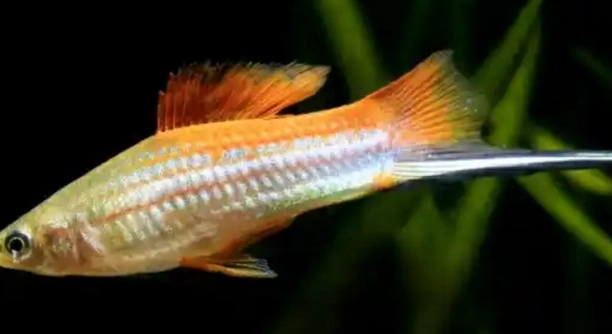
Swordtails are beautiful and vibrant fish, but sometimes they can look pale. This change in color can be concerning, especially for fish owners. Understanding the reasons behind this transformation can help ensure your swordtail stays healthy and lively.
Swordtails can appear pale due to factors such as stress, poor water quality, or changes in their diet. Environmental factors like temperature fluctuations and the presence of diseases can also cause discoloration in these fish.
Addressing the root cause of the color change can help restore your swordtail’s natural vibrancy. Identifying the specific issue is key to providing the best care and environment for your fish.
Stress and Anxiety Can Lead to Pale Swordtails
Swordtails are often sensitive to changes in their environment. Stress can occur due to sudden movements, loud noises, or overcrowding in the tank. These stressors can cause their vibrant colors to fade. Stress affects their immune system, making them more vulnerable to illness, which can also result in pale coloring. Additionally, swordtails can be stressed by aggressive tank mates or by improper handling during tank cleaning or water changes. Keeping a peaceful, stable environment is essential for maintaining their health and vibrant color.
When swordtails are stressed, their body responds by producing hormones like cortisol. This disrupts their normal physiological functions, including the ability to maintain color. Over time, prolonged stress can lead to serious health issues.
Creating a peaceful tank environment with proper care can go a long way in helping your swordtails retain their beautiful color. Keeping the water clean, ensuring proper filtration, and avoiding overcrowding are essential for reducing stress and maintaining their health.
Poor Water Quality Can Cause Pale Swordtails
Water quality plays a huge role in the health of swordtails. If the water is too dirty or not properly filtered, it can lead to pale skin and other health problems. Swordtails thrive in clean water with the right pH level, temperature, and hardness. Poor water quality can cause stress and even lead to diseases that affect their color.
A good filtration system helps to maintain clean water and removes harmful toxins like ammonia and nitrites. Regular water changes and monitoring the tank conditions can help prevent water quality from deteriorating. Swordtails can show signs of distress through color loss when the water becomes polluted or imbalanced.
Maintaining a consistent water quality routine helps swordtails stay healthy and vibrant. Test the water regularly to ensure it’s within the proper range for temperature and pH. A well-maintained tank keeps your swordtails happy and their colors rich.
Temperature Fluctuations Affect Swordtail Color
Sudden changes in water temperature can cause swordtails to appear pale. If the temperature fluctuates too much, it can cause stress, affecting their overall health and coloration. Swordtails prefer a stable temperature range, usually between 72°F and 79°F (22°C to 26°C). Temperatures outside this range may result in pale fish.
Fluctuating temperatures cause stress and disrupt the fish’s ability to maintain proper coloration. If the water gets too cold or too hot, swordtails may not have enough energy to show their natural vibrant hues. This can also weaken their immune system, making them more susceptible to illness.
To avoid temperature-related color changes, it’s important to use a reliable heater with a thermostat to maintain stable conditions. Monitor the water temperature regularly and make sure it stays within the optimal range for your swordtails. Maintaining consistency in the tank’s temperature will help keep your fish looking their best.
Inadequate Diet Can Lead to Faded Swordtail Colors
Swordtails require a balanced diet to stay healthy and vibrant. If their diet is lacking essential nutrients, their color can fade. A diet low in vitamins, minerals, and other nutrients can lead to poor coloration. Swordtails, like many fish, need a variety of foods to stay at their best.
Feeding swordtails a diet that consists mostly of processed foods or one type of food can cause nutrient imbalances. They need a mix of high-quality fish flakes, frozen or live foods, and occasional plant matter. Lack of important nutrients like carotenoids, which promote vibrant coloring, can cause them to look pale.
To keep swordtails colorful, offer them a well-rounded diet. Feed them a variety of foods that are rich in nutrients. Regularly changing up their diet will ensure they get the vitamins and minerals necessary to maintain their natural beauty. A balanced diet goes hand in hand with healthy, colorful fish.
Illness Can Cause Swordtails to Appear Pale
When swordtails are ill, their color can fade, often as a sign of stress or disease. Many fish diseases affect their immune systems, causing visible changes like pale skin or sluggish behavior. Common illnesses like parasites, bacterial infections, or fungal growths can lead to this discoloration.
A swordtail’s pale appearance often signals that something isn’t right with its health. Parasites or bacterial infections may cause stress, leading to a loss of color. Addressing the disease as soon as possible with appropriate treatments will help restore the fish’s health and, eventually, its vibrant colors.
Age Can Affect Swordtail Coloration
As swordtails age, their colors may begin to dull. Older swordtails naturally lose some of the bright hues they had as younger fish. This is a normal part of the aging process and doesn’t necessarily indicate a health problem.
However, proper care and a healthy environment can slow this process, keeping the fish vibrant for longer. Regular water changes, a balanced diet, and avoiding stress can help maintain their appearance as they age.
Environmental Stressors and Swordtail Color Fading
Changes in the environment can affect swordtail coloration. Sudden movements, changes in tank setup, or the introduction of new fish can cause stress. When swordtails feel threatened, they often lose their bright colors, as their bodies focus on survival instead of displaying vibrant hues.
FAQ
Why is my swordtail turning pale?
A pale swordtail often indicates that something is affecting its health. Stress, poor water quality, sudden temperature changes, or illness are some common reasons. Stress can come from overcrowding, aggressive tank mates, or sudden changes in the tank setup. Poor water conditions, such as high ammonia or nitrite levels, can also lead to pale coloring. Additionally, swordtails that are not receiving a balanced diet may lose their color due to nutritional deficiencies.
Can stress cause a swordtail to lose its color?
Yes, stress is one of the most common causes of a pale swordtail. Stress triggers a response in their body that can cause them to lose their vibrant color. Stress can come from several factors, including overcrowding, fighting with other fish, or environmental changes. When swordtails are stressed, their immune system weakens, making them more susceptible to diseases. Ensuring your swordtail has a calm, stable environment is key to preventing stress-related color loss.
What should I do if my swordtail looks pale?
If your swordtail looks pale, the first thing you should do is check the water quality. Test the water for ammonia, nitrites, nitrates, pH, and temperature. Swordtails require stable, clean water to thrive. If the water quality is poor, do a partial water change, clean the filter, and monitor the conditions closely. Additionally, check for signs of illness, such as unusual behavior or lesions, and treat accordingly. Reducing stressors in the tank, such as adding hiding spots or moving aggressive tank mates, will also help.
Can poor water quality make swordtails pale?
Yes, poor water quality is one of the main reasons for a swordtail to lose its color. High levels of ammonia, nitrites, or low oxygen can be harmful to swordtails. Contaminants in the water make the fish stressed and weaken their immune system, which can lead to pale skin. Regular water changes and using a good filtration system are crucial to maintaining a healthy tank environment and keeping your swordtail vibrant.
Can temperature fluctuations cause pale swordtails?
Swordtails are sensitive to temperature changes, and fluctuations can cause them to appear pale. Ideally, swordtails should live in water that is between 72°F and 79°F (22°C to 26°C). If the water gets too cold or too warm, swordtails become stressed and may lose their color. It’s important to use a reliable aquarium heater to maintain a consistent water temperature. Avoid placing the tank near windows or in drafty areas where the temperature can change frequently.
Can my swordtail get its color back?
Yes, your swordtail can regain its color, but it depends on the cause of the pale appearance. If the issue is stress, improving the tank’s environment and reducing stressors can help the fish regain its color over time. Similarly, treating any illnesses and improving water quality can restore the fish’s vibrancy. Proper nutrition is also important. If the pale coloring was due to diet or poor water quality, correcting these factors should lead to the fish regaining its usual hues.
What kind of food can help improve my swordtail’s color?
To help your swordtail maintain its color, feed it a balanced diet with a variety of high-quality foods. Look for fish flakes, pellets, and frozen foods that are rich in carotenoids, which promote vibrant colors in fish. Adding live foods, like brine shrimp or daphnia, can also provide additional nutrients. A well-rounded diet is essential for keeping swordtails healthy and colorful. Avoid feeding them too much processed food, as it can lack the nutrients they need for their best appearance.
Does age affect the color of my swordtail?
Yes, as swordtails age, their color may naturally fade. Older swordtails often lose some of their bright coloration, which is simply part of the aging process. However, providing a healthy environment with a proper diet can help maintain their vibrancy for longer. Keep in mind that older swordtails may also be more susceptible to illnesses, so regular monitoring of their health and tank conditions is important.
Can I prevent my swordtail from losing color?
Yes, there are several steps you can take to prevent your swordtail from losing color. Ensuring clean, stable water conditions, maintaining a proper diet, and reducing stress are essential. Keeping the water temperature consistent, avoiding overcrowding, and offering a peaceful environment with compatible tank mates can also help. Regular water testing and monitoring the fish’s health will allow you to catch any potential issues early.
Should I be concerned if my swordtail is always pale?
If your swordtail is constantly pale, it’s important to address any underlying health issues. Consistent pale coloration might indicate a chronic problem with water quality, diet, or stress. If the issue persists despite making adjustments, it’s worth consulting an expert, such as a veterinarian specializing in fish, to rule out diseases or parasites. Early intervention will help ensure your swordtail stays healthy and vibrant.
Final Thoughts
Swordtails are beautiful and vibrant fish, but seeing them go pale can be concerning. While occasional color changes are normal, persistent paleness often signals that something might be wrong. Stress, poor water quality, temperature fluctuations, and diet deficiencies are some of the main reasons why your swordtail might lose its color. Paying attention to these factors can help you maintain a healthy environment for your fish and keep them looking their best.
The key to preventing pale swordtails is to ensure they are living in a stable and healthy environment. Regular water changes, maintaining proper water quality, and keeping the tank clean will go a long way in preventing color loss. Swordtails also thrive in a peaceful tank, so avoiding overcrowding and introducing aggressive tank mates is essential. Ensuring that the water temperature stays within the ideal range will help avoid stress from temperature fluctuations. A good diet, with a variety of high-quality foods, is also vital for keeping your swordtail healthy and vibrant.
If you notice your swordtail becoming pale, don’t panic. Take the time to evaluate the situation and address any potential causes. Start by testing the water quality and adjusting the tank conditions as needed. If the issue persists, check for signs of illness and treat accordingly. With proper care and attention, your swordtail can regain its bright colors and continue to thrive in your aquarium. Regular monitoring, good feeding habits, and maintaining a stress-free environment will help ensure your swordtail stays healthy, colorful, and happy for years to come.

Hello,
If you enjoy the content that we create, please consider saying a "Thank You!" by leaving a tip.
Every little bit helps us continue crafting quality advice that supports the health, happiness, and well-being of pets around the world, for pets of all shapes, sizes, and species.
We really appreciate the kindness and support that you show us!