
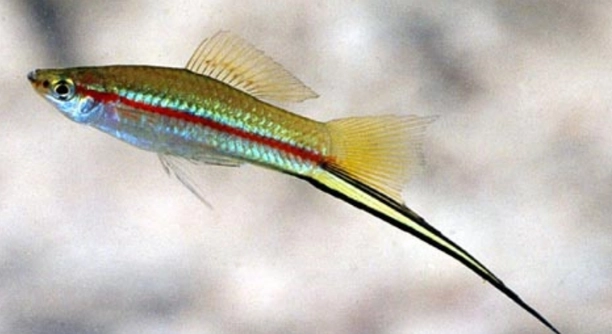
Have you ever noticed your swordtails constantly picking at the plants in your aquarium, making you wonder what might be causing this behavior?
Swordtails often pick at plants as a natural foraging behavior, searching for algae, biofilm, or leftover food. This activity is typically not harmful and reflects their omnivorous diet and constant need to graze within their environment.
Understanding this behavior helps you maintain a healthy aquarium and prevent unnecessary worry. Let’s explore how to support your swordtails while keeping your plants safe and your tank balanced.
Why Swordtails Pick at Plants
Swordtails are active fish with curious feeding habits. In a planted tank, they often nibble on leaves or scrape surfaces with their mouths. This isn’t unusual. Most of the time, they’re searching for tiny organisms, algae, or leftover flakes. Their behavior reflects their need for constant grazing, especially in community tanks where food disappears quickly. Some plants may even hold appealing scents or textures that encourage this interaction. Soft-leaved or decaying plants tend to attract more attention. If your tank has biofilm buildup or algae, swordtails will instinctively start picking at it as part of their regular feeding.
This nibbling behavior is usually harmless. It does not mean your fish are unhealthy or bored.
If your swordtails are excessively picking at healthy plants, it could indicate a lack of food variety or insufficient feeding. Offering a mix of high-quality flakes, frozen foods, and algae wafers can redirect their grazing. Ensuring they’re well-fed keeps plant damage minimal while meeting their dietary needs. You might also consider adding fast-growing or hardy plant species that can better tolerate mild picking. Avoid overfeeding, though, as uneaten food can affect water quality. Monitoring both your fish and plant health together helps maintain a balanced and stress-free aquarium environment where everything thrives naturally.
When to Be Concerned
Sometimes, swordtail nibbling turns into visible plant damage or frayed leaves.
If plants begin to show signs of decay or fish begin to target specific leaves, assess your feeding routine and water quality. A lack of fiber or plant-based nutrients in the diet can make live plants more attractive. Consider adding blanched vegetables like zucchini or spinach to their meals. This gives them a safe outlet to satisfy their grazing instinct. Additionally, inspect your plants for algae growth or deteriorating leaves. Swordtails may simply be reacting to changes in the plant’s condition. Also check for overcrowding, which can increase food competition and trigger unusual behavior. Keeping a regular tank maintenance routine, feeding balanced diets, and watching for changes in both plant and fish behavior helps prevent any long-term issues. Your fish can thrive and your plants can stay healthy, as long as everything in your aquarium remains in sync.
How Tank Conditions Influence This Behavior
Swordtails may pick at plants more often when tank conditions are off balance. Poor lighting, inconsistent feeding, or lack of hiding spaces can all contribute to increased grazing activity and stress-related behaviors in your fish.
Low lighting can lead to algae growth, which draws swordtails to plant surfaces more frequently. Uneaten food settling on plants also encourages picking. If there’s limited structure or space in the tank, swordtails may turn to plants out of boredom or lack of stimulation. Water quality matters, too—high nitrate levels or poor filtration can affect plant health, making them softer and more appealing. Regular water changes, proper lighting schedules, and the right filtration system help maintain an environment where both plants and fish thrive. Keeping live plants healthy and feeding your swordtails consistently ensures they aren’t forced to rely on picking as their main food source.
Make sure to rotate their food regularly to reduce repetitive behavior. Offering varied meals, like crushed peas or algae wafers, helps break the habit. Strong water flow and occasional rearrangement of tank decorations can also keep swordtails engaged and curious without turning to plant nibbling. Environmental variety goes a long way in keeping this behavior manageable and less disruptive overall.
Dietary Adjustments That Help
Feeding your swordtails a balanced diet with enough plant matter can reduce how often they pick at live plants. Algae wafers, spirulina flakes, and blanched vegetables are easy ways to meet their natural grazing needs.
Include fiber-rich foods regularly to support digestion and minimize unwanted plant picking. A well-fed fish is less likely to bother aquarium plants.
Choosing the Right Plants
Select sturdy plants that can tolerate occasional nibbling. Java fern, anubias, and hornwort are good choices since they have tougher leaves. These options last longer and are less attractive to swordtails compared to softer species.
Small Changes Make a Difference
Even minor tweaks—like rearranging plants or adjusting feeding times—can shift your swordtails’ focus. Consistent care keeps their behavior predictable and your plants intact.
FAQ
Do swordtails eat live plants or just pick at them?
Swordtails generally don’t eat live plants in large amounts. They pick at them to graze on algae, biofilm, or leftover food. In most cases, the plant itself isn’t their target. However, if a plant is decaying or soft, they might chew on parts of it. They could also bite off small pieces accidentally while foraging. The behavior is usually harmless unless the plants are delicate or the tank lacks food variety. Keeping swordtails well-fed with the right diet lowers the chance of damage to live plants.
Is plant picking a sign of a health problem?
It’s not usually a health issue. Picking at plants is a natural behavior linked to their feeding habits. However, if the behavior becomes constant and aggressive, check your tank conditions. Poor water quality, limited food options, or lack of enrichment can cause stress. In some cases, nutritional deficiencies can also increase plant interest. Watch for other symptoms like sluggishness, faded color, or clamped fins. If those show up too, it’s worth reviewing your feeding routine and checking water parameters. Otherwise, mild plant picking is completely normal and not a reason to worry.
How can I stop swordtails from damaging plants?
You don’t always need to stop it, but you can redirect it. Start by offering more plant-based foods and feeding consistently. Include spirulina flakes, algae wafers, and vegetables like spinach or zucchini. Rotate their diet to avoid boredom. Use hardy plant species like anubias or java fern that can tolerate nibbling. Keep up with tank maintenance so algae and biofilm don’t build up on plant surfaces. Also, make sure the tank isn’t overcrowded—competition for food increases plant-picking. A few adjustments in feeding and tank layout can make a big difference.
What types of plants do swordtails leave alone?
Swordtails tend to ignore tougher, less palatable plants. Good options include anubias, java fern, hornwort, and vallisneria. These species have thick or fibrous leaves that don’t break down easily, even if the fish try to graze on them. Fast-growing plants like water wisteria and water sprite are also good choices. They recover quickly and can handle some light picking without long-term damage. Avoid soft-leaved plants like cabomba or certain types of moss if your swordtails are persistent nibblers. Sturdier plants help maintain a clean, healthy look in your tank.
Can I feed my swordtails vegetables instead of flakes?
Yes, but vegetables should be part of a balanced diet, not a total replacement. Blanched spinach, peas, and zucchini are all good sources of fiber and nutrients. They support digestion and satisfy your fish’s natural grazing instincts. Just be sure to remove uneaten veggies after a few hours to keep your water clean. Combine vegetables with high-quality flakes or pellets that provide protein, vitamins, and minerals. Feeding a variety of foods keeps your swordtails healthy and helps reduce their interest in nibbling live plants.
Will picking at plants hurt my swordtails?
The act of picking itself won’t hurt them. It’s normal and often helpful, especially if they’re removing algae or eating leftover food. However, if plants are treated with chemicals or fertilizers, nibbling can expose fish to harmful residues. Make sure any live plants you add to the tank are safe and thoroughly rinsed. Also, avoid using plant supplements with copper if you have other sensitive tank mates like shrimp. As long as your setup is safe, your swordtails won’t be harmed by this behavior.
Why do they only pick certain plants and not others?
Swordtails are selective based on texture, taste, and the plant’s condition. Soft-leaved plants or those with decaying parts are more likely to be picked. Algae-covered surfaces also attract them. Even among the same species, some plants may grow weaker or softer due to light or nutrient imbalance, making them a target. Swordtails usually leave healthy, sturdy plants alone, especially if they’re well-fed and not competing for food. Observing which plants get targeted most often can help you choose better replacements or make small adjustments to your tank.
Do younger swordtails pick more than adults?
Juvenile swordtails tend to explore their environment more actively, so they might pick at plants more often. This is part of learning to forage. As they mature, the behavior usually becomes more consistent and predictable. Adults may still pick at plants, but usually less frequently if well-fed. If young fish are constantly grazing, make sure they’re getting enough food and that it’s appropriate for their size. Finely crushed flakes or powdered spirulina can help support healthy growth and reduce their need to pick at plants.
Can plant picking spread disease or parasites?
Not directly, but poor water quality or stressed plants can increase the risk of disease in the tank. If a fish nibbles on a decaying plant, it might ingest harmful bacteria. Regularly remove dying or damaged leaves to prevent this. It’s also important to quarantine new plants to avoid introducing parasites or contaminants. Healthy plants don’t pose a threat, and plant picking by itself won’t spread disease. Keeping your tank clean, feeding well, and removing waste or plant debris keeps your fish safe.
Is this behavior common in other fish too?
Yes, many community fish, especially omnivores, show similar behavior. Mollies, platies, guppies, and even some tetras may graze on plant surfaces. Like swordtails, they often do it for algae, biofilm, or leftover food. This behavior is typical in peaceful tanks with live plants. It’s not exclusive to swordtails and isn’t usually a problem unless it causes visible damage. In most cases, it’s part of a healthy ecosystem where fish interact with their surroundings. Keeping everyone well-fed and offering the right plants keeps things under control.
Final Thoughts
Keeping swordtails in a planted tank can work well with the right balance. Their natural behavior includes grazing and picking, which is not harmful when managed properly. Most of the time, swordtails are not trying to destroy plants. They are looking for algae or soft material to eat. If your plants are healthy and your fish are well-fed, light picking won’t cause long-term damage. Understanding the difference between grazing and actual plant-eating is important. It helps you make better choices for food, tank design, and the types of plants you use.
Choosing sturdy plants makes a big difference. Some species are more resistant to damage, while others can grow quickly enough to keep up with light picking. If a certain plant doesn’t work, replacing it with a stronger one is a simple fix. It’s also helpful to offer a variety of food, including plant-based options. This lowers the chance of swordtails turning to live plants for extra nutrients. Good feeding habits and stable water conditions reduce stress and keep fish active, healthy, and less focused on your plants.
Every tank is different, and swordtails have their own habits. What works in one setup may not be perfect in another. Pay attention to how your fish behave and how your plants react. Small changes—like adding more hiding spaces or adjusting your feeding routine—can lead to better results over time. There’s no need for strict rules or complicated solutions. Simple care, regular observation, and a little patience go a long way. A planted tank with swordtails can look great and stay balanced, as long as their needs are met and the tank stays clean.

Hello,
If you enjoy the content that we create, please consider saying a "Thank You!" by leaving a tip.
Every little bit helps us continue crafting quality advice that supports the health, happiness, and well-being of pets around the world, for pets of all shapes, sizes, and species.
We really appreciate the kindness and support that you show us!