
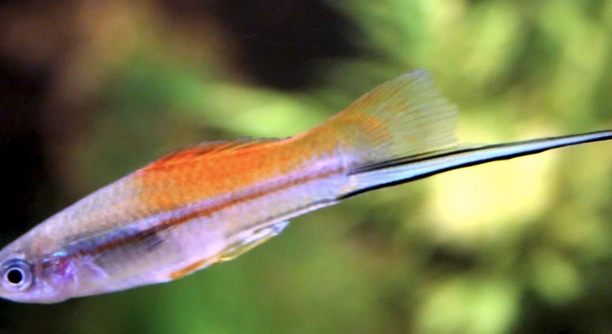
Swordtails are fascinating fish, but many owners notice that they tend to hide after feeding. Understanding why this happens can help improve their well-being and feeding habits. It is important to observe their behavior closely.
Swordtails often hide after feeding due to stress or discomfort, both of which can be triggered by their environment. Factors like sudden changes in water temperature, aggression from tank mates, or overfeeding can contribute to this behavior.
Recognizing these factors will help you ensure a healthier and more comfortable environment for your swordtails. This knowledge can lead to better care and a more active, happy fish.
Common Reasons for Swordtails to Hide After Feeding
Swordtails are known for their lively and active behavior, but after feeding, they sometimes retreat into hiding spots. One of the primary reasons for this behavior is stress. Stress can come from multiple factors, including a sudden change in their environment, such as water temperature fluctuations or the introduction of new tank mates. Overfeeding can also cause discomfort. When swordtails consume too much food, it can lead to bloating or indigestion, which makes them seek refuge in a quiet spot to rest. Keeping their tank environment stable and ensuring they are fed in the right amounts can help alleviate this behavior.
Swordtails may also hide due to fear. If there are aggressive fish or frequent disruptions in the tank, they may feel unsafe, prompting them to retreat to hiding places. In a peaceful tank, swordtails are generally more confident and willing to interact.
When caring for swordtails, the key is consistency. Regular water changes, proper feeding habits, and maintaining a calm tank environment will help reduce stress, keeping swordtails happy and healthy. This also ensures that they don’t feel the need to hide as often.
Importance of Tank Conditions
A stable and safe environment is crucial for swordtails. They thrive in tanks with consistent water temperature, clean water, and no sudden changes.
Changes in water conditions, such as sudden temperature shifts or high ammonia levels, can cause stress, leading to hiding. A filtration system that keeps the water clean and the right heater to maintain warmth is essential.
Feeding Habits and Overfeeding
Swordtails may hide after feeding if they’ve eaten too much. Overfeeding can cause bloating or discomfort. It’s essential to offer them the right portion size, ensuring they consume the food in a few minutes. Any leftover food should be removed to prevent water contamination and avoid stressing the fish.
Feeding them small portions twice a day instead of one large meal helps regulate their digestion. This method also prevents overfeeding and ensures they can consume the food more quickly without feeling too full afterward. A healthy feeding routine promotes their comfort and activity levels.
The type of food matters as well. Swordtails need a balanced diet consisting of high-quality flakes, pellets, and occasional live or frozen foods. Avoid foods that are too rich, as they may cause digestive issues. Maintaining a well-rounded feeding schedule will reduce the tendency to hide after eating.
Tank Mates and Aggression
Aggressive tank mates can cause swordtails to retreat after feeding. Swordtails are generally peaceful, but if they feel threatened by other fish, they may seek refuge in hidden corners. Fish such as bettas or larger, more dominant species can stress them out.
Aggression can also come in the form of competition for food. If faster or more dominant fish are eating the food before the swordtails get a chance, they might feel anxious and hide. Ensuring that there’s enough space and food for all the fish in the tank helps reduce stress and aggression, allowing swordtails to feed and swim freely.
Stress from Environmental Changes
Swordtails may also hide due to stress caused by environmental changes. Even small fluctuations in water temperature or pH can trigger stress. These changes can make swordtails feel unsafe or uncomfortable. It’s important to maintain stable tank conditions to avoid stressing them out.
To minimize stress, invest in a reliable heater and thermometer to monitor water temperature. Also, use a water testing kit to check pH and ammonia levels regularly. Keeping a consistent environment will help your swordtails feel secure and reduce the likelihood of hiding after meals.
Water Quality and Filtration
Poor water quality is another reason swordtails hide after feeding. If the water is dirty or contains high levels of ammonia or nitrites, it can irritate the fish and cause stress. Regular water changes are essential to keep the tank clean.
Ensure your filtration system is appropriate for your tank size and needs. Regular maintenance of the filter will keep water quality high, reducing the risk of stress and health problems for your swordtails. Clean water leads to healthier, more active fish.
FAQ
Why do swordtails hide after feeding?
Swordtails may hide after feeding due to stress, fear, or discomfort. This can be caused by various factors such as changes in water temperature, aggression from tank mates, or overfeeding. Ensuring a stable tank environment, proper feeding practices, and monitoring the behavior of other fish can help reduce hiding.
Can overfeeding cause swordtails to hide?
Yes, overfeeding can cause swordtails to hide. When they eat too much, it can lead to bloating, discomfort, or indigestion. Swordtails often retreat to a quiet spot to rest and digest. Offering smaller portions and removing uneaten food promptly can help avoid overfeeding and its effects.
How can water temperature affect swordtail behavior?
Swordtails are sensitive to changes in water temperature. Sudden temperature fluctuations can stress them out, making them more likely to hide. Keeping the water temperature consistent with their preferred range (around 72-82°F or 22-28°C) can help them feel more comfortable and reduce hiding after meals.
What kind of tank mates should I avoid for swordtails?
Swordtails are peaceful fish but can be stressed by aggressive tank mates. Avoid keeping them with overly dominant fish, such as bettas or large cichlids. Aggressive fish can intimidate swordtails, causing them to hide or become more passive. It’s best to house swordtails with other peaceful species.
How often should I feed my swordtails?
Swordtails should be fed small portions twice a day, rather than one large meal. Overfeeding can lead to discomfort and hiding. Feed only as much as they can eat in a few minutes, and remove any leftover food. A balanced diet, consisting of high-quality flakes and occasional live food, is ideal.
Can poor water quality cause swordtails to hide?
Yes, poor water quality can cause swordtails to hide. High levels of ammonia or nitrites, dirty water, and low oxygen levels can irritate the fish, leading to stress. Regular water changes, proper filtration, and monitoring water parameters will help maintain healthy conditions and prevent hiding behaviors.
Do swordtails hide when they are sick?
Swordtails may hide when they are sick or feeling unwell. If a swordtail is exhibiting unusual behavior like hiding more than usual, it could indicate a health issue. Look for other signs such as discoloration, bloating, or difficulty swimming. If these symptoms are present, it may be necessary to treat the fish.
What is the ideal tank size for swordtails?
Swordtails need a minimum tank size of 20 gallons to thrive. This size allows them to swim comfortably and helps maintain stable water parameters. A larger tank with plenty of hiding spots, plants, and open space will keep your swordtails healthy and reduce stress.
Can swordtails hide due to boredom?
Yes, swordtails may hide if they are bored or not stimulated enough. They are active fish that enjoy swimming and exploring. If the tank lacks decorations, plants, or tank mates, swordtails may retreat to hiding spots. Adding plants, rocks, and other features can help keep them engaged.
How do I reduce stress for my swordtails?
To reduce stress for swordtails, ensure that their tank environment is stable and free of sudden changes. Maintain proper water quality, temperature, and pH. Avoid aggressive tank mates and overfeeding. Providing hiding spots and ensuring they have enough space to swim freely will also help them feel secure.
Final Thoughts
Swordtails are generally peaceful and active fish, but they can exhibit hiding behavior after feeding for various reasons. Stress, overfeeding, poor water conditions, and aggressive tank mates are common factors that lead to this. Understanding these underlying causes is crucial for providing a comfortable and healthy environment for your swordtails. By observing their behavior and making necessary adjustments to their tank conditions, you can help reduce the frequency of hiding after meals.
One of the key steps in improving swordtail behavior is to ensure a stable tank environment. Regular water changes, proper filtration, and monitoring temperature and pH levels are essential for maintaining optimal living conditions. Swordtails thrive in a consistent environment, and sudden changes in water quality or temperature can cause them to hide. Additionally, feeding them the right amount of food at regular intervals will prevent discomfort from overfeeding and help them maintain a healthy digestive system.
Lastly, paying attention to their tank mates and the overall dynamics of the aquarium is equally important. Swordtails do best in peaceful communities with fish of similar temperament. Aggressive fish can cause stress, making swordtails retreat into hiding spots. With the right care, including appropriate feeding habits, stable water conditions, and a calm tank environment, swordtails can live happily and remain active, enjoying the company of their fellow fish without the need to hide after every meal.

Hello,
If you enjoy the content that we create, please consider saying a "Thank You!" by leaving a tip.
Every little bit helps us continue crafting quality advice that supports the health, happiness, and well-being of pets around the world, for pets of all shapes, sizes, and species.
We really appreciate the kindness and support that you show us!