
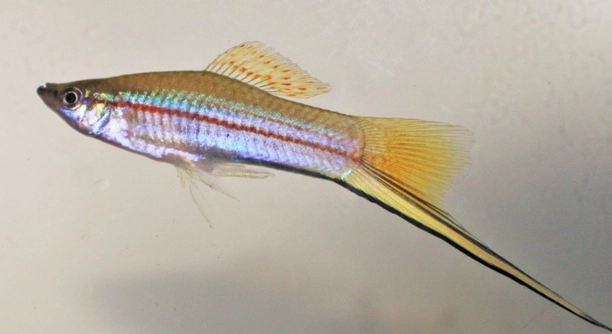
Swordtails are popular aquarium fish known for their vibrant colors and distinctive tails. After mating, however, they tend to ignore each other. This behavior can leave aquarium owners puzzled, especially when they expect some sort of bond to form.
Swordtails, like many fish species, exhibit post-mating indifference due to instinctual behaviors. Once mating is complete, their primary focus shifts to other survival-related tasks, such as feeding and protecting themselves. This reduces the need for social interaction between mates.
Understanding this behavior can help you better care for swordtails and improve the dynamics of your aquarium. Knowing why they ignore each other after mating can help you manage their environment and ensure a healthy setting for all fish involved.
Why Swordtails Ignore Each Other After Mating
Swordtails are known for their eye-catching appearance, but their post-mating behavior can be puzzling. After mating, they tend to keep their distance from one another. Unlike some other species, swordtails do not form lasting bonds with their mates. This indifference is natural and not a sign of stress or unhappiness. In fact, it is part of their instinctual behavior, as swordtails are generally solitary when it comes to mating rituals. After fertilizing the female’s eggs, the male’s role is essentially complete. This means that swordtails do not feel the need to stay close or engage in any further social behavior.
While it might seem like something’s wrong, it is a perfectly normal part of their life cycle. Once mating is finished, both the male and female return to focusing on their individual needs. For males, that means seeking out other females to mate with, and for females, it’s about protecting and nurturing their eggs.
Swordtails don’t have a strong attachment to each other after mating. Their behavior is driven by instincts that prioritize survival over social bonding. This explains why you often see them keeping their distance from one another.
What Happens After Mating
After mating, swordtails are quick to return to their daily routines. The male has done his part, and now, his focus shifts elsewhere. Females, on the other hand, typically don’t interact much with the male after fertilization. They will often seek shelter and may even act defensively to avoid unwanted attention from other males.
The focus for both is now on feeding and other survival tasks. The female swordtail may look for places to hide or be cautious in the open. This is a survival instinct aimed at protecting her unborn young. Meanwhile, the male may move on to look for more females to mate with, as his goal is to reproduce with as many partners as possible.
This behavior ensures that swordtails remain safe and healthy, continuing the cycle of reproduction. It’s a biological process, not a sign of hostility. Understanding this can ease any confusion about their social behavior after mating.
The Role of Instinct in Swordtail Behavior
Swordtails, like many other species, act mostly out of instinct rather than emotion. After mating, their main concern is self-preservation. For the male, the instinct is to find new mates, and for the female, it’s to protect her eggs. Swordtails aren’t built for long-term pair bonding like some other fish. Their reproductive system is designed for quick reproduction rather than forming lasting relationships. This behavior is essential for their survival in the wild, where they need to be agile and focused on immediate needs, such as feeding and avoiding predators.
Their natural habitat encourages this kind of detached behavior. Swordtails live in areas where space is limited, and the need for personal space and security is high. By ignoring each other after mating, they reduce the risk of aggression or other distractions. In the wild, it’s crucial that both male and female swordtails focus on their individual survival rather than engaging in social interactions.
Understanding these instincts helps clarify why swordtails don’t remain close after mating. It’s just their nature to move on quickly and maintain focus on what keeps them alive.
Social Structure and Independence
Swordtails tend to be independent fish. Even when they are not mating, they don’t form close social bonds. Their behavior is driven by their need to focus on survival rather than relationships. This is why you often see them alone or not interacting with other fish in the tank.
For swordtails, independence is essential. They live in environments where they must be cautious and quick to avoid predators. The lack of strong social bonds allows them to stay focused on immediate needs like feeding and avoiding danger. Even when they are together, swordtails don’t seek much interaction.
This independent nature is part of what makes swordtails so low-maintenance in aquariums. Unlike other species that require constant socializing, swordtails are content to go about their business. They don’t engage in complex social behaviors, allowing aquarium owners to keep them with other fish without worrying about constant interaction.
The Male Swordtail’s Behavior
Male swordtails are driven by a strong instinct to reproduce. After mating, their focus shifts to finding other females. Males do not remain attached to the female once fertilization occurs. Instead, they become more aggressive in seeking out new mates.
This behavior is a survival mechanism. By mating with multiple females, male swordtails increase their chances of reproducing. The male’s drive to mate with as many females as possible overrides any need for social bonding or long-term relationships. This constant search for mates is one reason why males are seen moving quickly and staying distant from other fish after mating.
The absence of attachment to a single mate allows the male to remain agile and focused on reproduction. His behavior ensures that his genetic legacy continues through multiple female swordtails.
Female Swordtail Behavior After Mating
Female swordtails focus on the next phase of their life after mating. Their priority is protecting the eggs and ensuring their survival. Unlike males, they don’t seek out additional mates and remain focused on themselves and their offspring.
Females may act defensively after mating. They often hide or seek shelter to reduce the chance of aggression from other fish or males. The focus on protecting their eggs is a natural instinct that ensures the safety of their future young.
Impact of Environment on Swordtail Behavior
The environment plays a significant role in how swordtails behave post-mating. In a well-maintained aquarium with plenty of space and hiding spots, swordtails feel safer and are less likely to stress. This can impact how quickly they move on from mating.
Fish that feel secure are more likely to resume regular activities without lingering on post-mating interactions. Creating a comfortable environment with plants and decorations allows swordtails to focus on their survival, not social bonding. Proper tank conditions help minimize stress and promote natural behaviors in swordtails.
Swordtail Mating Behavior
Mating behavior in swordtails is generally quick and straightforward. Once the male finds a female, he will display vibrant colors to attract her. If she is receptive, they will mate, and the male moves on shortly after. The entire process is driven by biological urges, not emotional attachment.
After the mating is done, the male doesn’t stay to protect the female or the eggs. His role in reproduction is limited to fertilization. With their task complete, both swordtails quickly return to their individual routines, allowing the cycle to continue.
FAQ
Why do swordtails ignore each other after mating?
Swordtails ignore each other after mating because their behavior is driven by instincts. Once the mating is done, the male’s role in reproduction is finished, and the female focuses on the protection of her eggs. Swordtails do not form lasting bonds and do not rely on each other for social interaction after mating.
Is it normal for swordtails to be solitary after mating?
Yes, it is completely normal for swordtails to act solitary after mating. Swordtails are not known to be social fish that form pair bonds. Their focus after mating shifts to survival instincts such as feeding and avoiding predators. This independent behavior is common for many fish species.
Do swordtail males stay with the female after mating?
No, swordtail males do not stay with the female after mating. Their primary goal is to reproduce, and once they’ve fertilized the eggs, they move on to find other mates. Swordtails do not show any parental care, so there’s no reason for the male to remain with the female.
Will swordtails ever interact after mating again?
Swordtails typically do not interact with each other once mating has occurred. After fertilization, both the male and female go back to their individual routines. Males will look for new females to mate with, and females will focus on protecting the eggs. This lack of interaction is part of their natural behavior.
Do swordtails bond with each other?
No, swordtails do not bond with each other. Their social structure is based on individual needs rather than forming relationships. They may coexist in the same tank, but they do not develop long-lasting bonds or engage in social interactions. This is typical for many fish species with similar reproductive behaviors.
How long do swordtails mate for?
Swordtail mating is relatively quick. The male uses his gonopodium (modified anal fin) to transfer sperm to the female. The process typically lasts just a few seconds, though the male may display for longer periods before the mating occurs. Once fertilization is complete, the male quickly moves on.
How can I tell if a female swordtail is pregnant?
A female swordtail is pregnant when you notice a dark gravid spot near her abdomen. This spot is caused by the developing fry (young fish) inside her. The female will also appear larger and rounder as the pregnancy progresses. Pregnant swordtails can sometimes be more lethargic than usual.
Do swordtails need a mate to reproduce?
Yes, swordtails need a mate to reproduce. The males fertilize the eggs of the female using their gonopodium. Once fertilized, the female swordtail carries the eggs internally until they hatch into live young. Swordtails do not lay eggs; they give birth to live fry.
Can swordtail males get aggressive after mating?
Swordtail males can become more aggressive if they feel the need to compete for mates. This aggression is usually directed toward other males rather than the female. Once mating is complete, males are less likely to be aggressive toward females, as they have already fulfilled their reproductive role.
How many babies can a swordtail have at once?
Swordtail females can give birth to anywhere from 20 to 100 babies at once, depending on their size and health. Larger females tend to give birth to more fry. Swordtail fry are born fully formed and can swim away almost immediately after birth.
Do swordtails protect their young after birth?
No, swordtails do not protect their young after birth. Once the fry are born, they are left to fend for themselves. The female may seek shelter to avoid being harassed by males, but she does not provide care for her offspring. Swordtail fry are left to survive independently in the aquarium.
Are swordtails good for beginners?
Yes, swordtails are generally considered good for beginners. They are hardy fish that adapt well to aquarium life. They are easy to care for, require minimal attention, and are peaceful when kept with other non-aggressive species. Their straightforward breeding behavior makes them easy to manage for new hobbyists.
Can swordtail males and females live together without aggression?
Yes, swordtail males and females can live together peacefully. Males may compete for the attention of females, but they rarely cause significant harm to each other. The only real aggression comes from males trying to mate with females, but this usually doesn’t result in lasting aggression.
What is the lifespan of a swordtail?
Swordtails typically live between 3 to 5 years in captivity, though with good care, they may live even longer. Factors such as tank conditions, diet, and water quality play a big role in their lifespan. Regular maintenance and proper feeding can help extend their life expectancy.
Can swordtails live with other fish?
Yes, swordtails are generally peaceful and can live with other non-aggressive fish. However, it’s important to avoid keeping them with overly territorial or aggressive species. Swordtails do well with species like guppies, mollies, and other peaceful community fish. Always monitor their interactions to ensure they’re not stressed.
Do swordtails need special care during breeding?
Swordtails do not need special care during breeding, but there are a few things to consider. The female will need a quiet, stress-free environment for the best chance of carrying the fry to term. It’s important to separate the male and female once the female is pregnant, if you don’t want more fry.
Can swordtails change gender?
Swordtails cannot change gender, but males and females have different physical characteristics. Male swordtails are generally more colorful and have longer, sword-like tails. Female swordtails are larger and lack the elongated tail. These differences make it easy to distinguish between the sexes.
Why do swordtails swim so much?
Swordtails are active fish, and they swim a lot due to their natural instincts. They are constantly moving in search of food, mates, or shelter. This behavior is typical for many livebearing fish, which have a high metabolism and need to stay active to support their energy needs.
Do swordtails require a lot of space?
Swordtails do best in aquariums that are large enough to give them space to swim freely. A 20-gallon tank is typically recommended for a small group. The more space they have, the less stressed they’ll be, and they’ll be able to display their natural behaviors more comfortably.
How can I tell if my swordtail is stressed?
A stressed swordtail may display signs such as erratic swimming, loss of color, or hiding more than usual. Stress can be caused by poor water quality, overcrowding, or incompatible tank mates. If you notice these behaviors, it’s important to address potential stressors and improve the tank conditions.
Final Thoughts
Swordtails are fascinating creatures, and understanding their post-mating behavior can help create a more peaceful and comfortable environment for them in an aquarium. Once mating is over, swordtails don’t form lasting bonds. The males tend to move on quickly to find new mates, while females focus on the protection of their developing young. This behavior is completely natural and driven by survival instincts rather than social connection. Swordtails, like many other fish species, don’t require or seek out long-term relationships after reproduction. Instead, they prioritize individual needs like feeding and avoiding predators, which is why they tend to ignore each other after mating.
Their independent behavior is one of the reasons swordtails are relatively low-maintenance fish for aquarium owners. They do not need constant interaction or social bonding, and they do well in tanks with other peaceful species. Knowing that swordtails don’t bond after mating can help alleviate concerns for aquarium owners who might expect some sort of lasting connection between mates. Swordtails are more about survival and continuing their reproductive cycle rather than forming friendships or strong pairings. This makes them a great option for beginner aquarium enthusiasts who might not want to manage complex social behaviors.
The key to keeping swordtails healthy and happy is to create an environment where they feel secure. They do well in tanks that offer plenty of space, hiding spots, and stable water conditions. Their focus will naturally shift to their own survival needs, and as long as they have room to move, they will thrive. Understanding their natural instincts allows you to avoid unnecessary stress for the fish and to provide a tank setup that caters to their simple yet effective approach to life.

Hello,
If you enjoy the content that we create, please consider saying a "Thank You!" by leaving a tip.
Every little bit helps us continue crafting quality advice that supports the health, happiness, and well-being of pets around the world, for pets of all shapes, sizes, and species.
We really appreciate the kindness and support that you show us!