
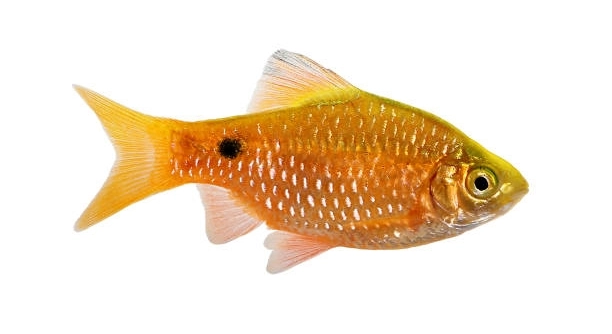
Rosy Barbs are small, colorful fish popular in home aquariums. Their behavior often catches attention, especially when they swim in tight circles. This unique movement has fascinated many fish enthusiasts and hobbyists alike.
Rosy Barbs swim in tight circles primarily as a social and territorial behavior. This movement helps them establish dominance, reduce stress, and communicate with other fish in their environment. It is a natural part of their interaction and survival strategy.
Understanding why Rosy Barbs exhibit this behavior can help aquarium owners create a better environment for their fish. Observing these patterns reveals important aspects of their well-being and social dynamics.
Reasons Behind Circular Swimming
Rosy Barbs swim in tight circles for several important reasons related to their behavior and environment. One common cause is territorial display. When they feel the need to protect their space, swimming in circles can be a way to show dominance without direct aggression. This behavior helps reduce actual fighting between fish. Another reason is stress or excitement, which can cause them to swim in repetitive patterns. Changes in tank conditions, like water quality or overcrowding, may trigger this. Additionally, swimming in circles can be part of their mating ritual or social interaction. It allows them to communicate with each other and maintain social order. Recognizing these behaviors can help aquarium owners respond appropriately, whether by adjusting tank conditions or providing more space.
Swimming in circles also helps Rosy Barbs stay alert to their surroundings, keeping them safe from perceived threats.
Understanding these patterns improves the care and comfort of your fish, contributing to a healthier tank environment.
How Environment Affects Their Behavior
The tank environment plays a key role in why Rosy Barbs swim in tight circles. When water conditions are poor or the tank is overcrowded, fish can become stressed, leading to repetitive swimming patterns. Keeping the tank clean and properly sized gives them room to swim freely and reduces stress levels. Lighting and hiding spots also affect their behavior; they feel safer with places to retreat. A stable environment with regular feeding times and minimal sudden changes helps Rosy Barbs feel secure. If these conditions are not met, the fish may resort to swimming in circles as a coping mechanism. Watching their behavior closely can reveal if changes in the tank are needed to improve their comfort and health. Proper care ensures they display natural and calm swimming behaviors.
Common Signs of Stress in Rosy Barbs
When Rosy Barbs swim in tight circles, it can be a sign of stress. Stress may also cause them to lose their color or hide more than usual.
Stress in Rosy Barbs often results from poor water quality, overcrowding, or sudden changes in the tank. When these fish are stressed, they may swim frantically or show repetitive movements like circling. It is important to check water parameters such as temperature, pH, and ammonia levels. Also, avoid adding too many fish at once, as this can cause competition and discomfort. Watching for these signs early helps prevent illness and improves their overall health.
In some cases, stress can be caused by aggressive tank mates or lack of hiding places. Providing plants and decorations where Rosy Barbs can retreat helps reduce their anxiety. A calm environment encourages natural behavior and less circling.
Tips to Help Your Rosy Barbs Swim Normally
Creating a stable environment helps Rosy Barbs stop swimming in tight circles. Regular water changes and tank cleaning keep conditions safe. Maintaining a proper fish-to-space ratio prevents overcrowding. Offering a varied diet supports their health and energy levels. Avoid sudden changes like new fish or lighting to minimize stress. Consistent care encourages peaceful swimming patterns and reduces repetitive behavior.
Providing plants and decorations in the tank gives Rosy Barbs places to hide and explore, making them feel secure. Grouping them with compatible species reduces tension. Monitoring water parameters weekly and keeping a steady routine are key steps in maintaining their well-being. These small efforts lead to calmer fish that enjoy their space without constant circling.
How Social Behavior Influences Swimming Patterns
Rosy Barbs are social fish that swim in groups. Their tight circles can be part of group interaction. This behavior helps them stay connected and maintain social bonds.
Swimming closely also offers safety. In the wild, staying together protects them from predators. This instinct remains in aquariums.
Impact of Tank Size on Movement
Smaller tanks limit Rosy Barbs’ swimming space, which can lead to repetitive swimming like tight circles. Larger tanks give them room to swim naturally and reduce stress.
Providing enough space helps prevent boredom and aggressive behavior, improving their overall well-being.
Feeding and Its Effect on Swimming
Feeding routines affect how Rosy Barbs swim. When hungry or excited for food, they may swim rapidly in circles. Regular feeding times and balanced diets reduce this behavior.
Keeping their diet varied and nutritious supports calm and healthy fish.
When to Consult a Veterinarian
If tight circling continues despite good care, a health issue might be involved. Parasites or infections can cause unusual swimming. Early veterinary advice ensures prompt treatment and recovery.
FAQ
Why do Rosy Barbs swim in tight circles only sometimes?
Rosy Barbs may swim in tight circles during moments of excitement, stress, or social interaction. It’s not a constant behavior but often appears when they react to changes in their environment or other fish. Temporary factors like feeding time, new tank mates, or water changes can trigger this behavior.
Can tight circling mean my Rosy Barb is sick?
Yes, persistent tight circling can indicate health problems such as parasites, infections, or neurological issues. If this behavior lasts longer than usual or is accompanied by other symptoms like loss of appetite, discoloration, or lethargy, it’s important to seek veterinary advice.
How can I reduce stress that causes circling?
Maintaining clean water, proper tank size, and compatible tank mates helps reduce stress. Providing hiding spots and stable conditions also lowers anxiety. Regular feeding and avoiding sudden changes keep your Rosy Barbs calm and less likely to swim in tight circles.
Is it normal for Rosy Barbs to swim in circles during mating?
Yes, circular swimming can be part of mating behavior. Males may swim closely around females as a display or courtship. This is a natural and healthy behavior that usually occurs in groups with both sexes present.
Does tank size affect circling behavior?
Absolutely. Smaller tanks restrict movement, which can make fish swim in repetitive patterns, including tight circles. Larger tanks give Rosy Barbs more room to swim naturally and reduce this behavior caused by confinement.
Can aggressive tank mates cause tight circling?
Yes, aggression or bullying from other fish can stress Rosy Barbs, leading to circling as a coping mechanism. Choosing peaceful tank mates and providing enough space helps minimize aggression and related stress behaviors.
How important is water quality in preventing circling?
Water quality is critical. Poor water parameters such as high ammonia, nitrite, or extreme pH can stress fish and cause abnormal behaviors like tight circling. Regular water testing and changes ensure a healthy environment for your fish.
What kind of diet helps prevent circling?
A balanced, varied diet rich in protein and essential nutrients keeps Rosy Barbs healthy and energetic without stress. Overfeeding or underfeeding can cause behavior changes. Feeding small amounts regularly supports calm swimming patterns.
Is circling harmful to Rosy Barbs?
Circling itself is not harmful if occasional. However, continuous tight circling can lead to exhaustion or injury if caused by stress or illness. Monitoring the behavior and environment helps ensure their safety and well-being.
When should I worry about my Rosy Barb’s circling?
If circling is constant, accompanied by other signs like abnormal swimming, loss of color, or hiding, it’s time to take action. Checking water conditions, tank setup, and possibly consulting a veterinarian will help address underlying issues.
Final Thoughts
Rosy Barbs are lively fish with interesting behaviors, including their tendency to swim in tight circles. This movement is a natural part of how they interact with their environment and other fish. It can serve different purposes like showing dominance, reducing stress, or communicating with the group. While it may seem unusual at first, this behavior often indicates that the fish are active and responding to their surroundings. Understanding why they swim in circles helps us create a better home for them and meet their needs more effectively.
Taking care of Rosy Barbs involves paying close attention to their environment. Water quality, tank size, and the presence of other fish all affect their behavior. When these factors are right, Rosy Barbs tend to swim calmly and show fewer signs of stress, such as tight circling. Providing enough space, clean water, and hiding places encourages natural movement and helps prevent problems. It is also important to watch for signs of illness or discomfort, since tight circling can sometimes point to health issues. Regular tank maintenance and observation are key to keeping Rosy Barbs healthy and happy.
In the end, learning about Rosy Barbs’ swimming habits improves the overall experience of keeping them. These fish have specific needs that, when met, allow them to thrive and display their natural behaviors. By creating a stable and comfortable environment, it’s possible to reduce unwanted repetitive swimming and enjoy watching their natural, graceful movements. Paying attention to their behavior not only supports their well-being but also makes caring for them more rewarding. Understanding their habits encourages a more thoughtful and successful approach to aquarium care.

Hello,
If you enjoy the content that we create, please consider saying a "Thank You!" by leaving a tip.
Every little bit helps us continue crafting quality advice that supports the health, happiness, and well-being of pets around the world, for pets of all shapes, sizes, and species.
We really appreciate the kindness and support that you show us!