
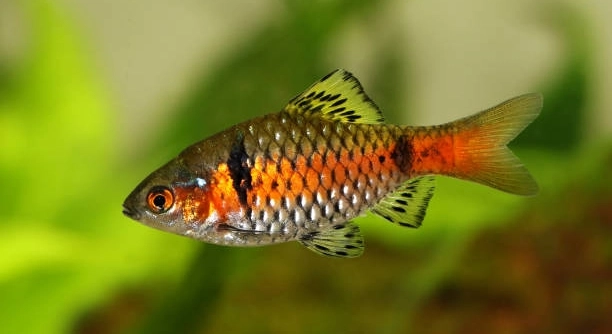
Rosy barbs are popular freshwater fish known for their lively colors and active behavior. Many aquarium owners enjoy watching them swim gracefully. Sometimes, these fish suddenly group up tightly, which can catch the attention of even experienced hobbyists.
Rosy barbs group tightly as a natural response to perceived threats or changes in their environment. This schooling behavior helps reduce stress by creating a sense of safety in numbers, improving their chances of avoiding predators and adapting to new surroundings.
Understanding why rosy barbs display this behavior can improve your ability to care for them and maintain a healthy aquarium environment. The reasons behind their grouping reveal important insights into their wellbeing and social habits.
Reasons Rosy Barbs Group Together
Rosy barbs group tightly mainly because of instinctive schooling behavior. In the wild, schooling helps fish avoid predators by making it harder for one individual to be singled out. In an aquarium, this behavior continues as a natural reflex, especially when they feel uncertain or stressed. Changes in water quality, sudden movements around the tank, or new tankmates can trigger this grouping. Sometimes, they cluster to rest or communicate social hierarchy within the group. This behavior helps them feel more secure and calm. Observing these moments can reveal a lot about their current comfort level and health. If your rosy barbs suddenly group tightly, it’s worth checking the tank conditions to ensure nothing is causing distress. Maintaining stable water parameters and a calm environment supports their natural behavior and keeps them healthy.
Grouping tightly serves as a self-protection mechanism, reducing stress and improving overall wellbeing in uncertain situations.
Recognizing when and why rosy barbs group helps in managing tank conditions better. If the environment is stable, grouping may be brief and related to social behavior. However, if they cluster often or stay tightly packed for long periods, it could indicate a problem. Testing water for ammonia, nitrites, or sudden temperature changes is important. Additionally, introducing new fish or rearranging decorations can upset their sense of safety. Providing ample swimming space and hiding spots reduces their need to bunch together. Understanding these triggers allows for adjustments that promote a balanced and peaceful tank, ensuring the fish remain active and stress-free.
Environmental Triggers and Solutions
Environmental changes often cause rosy barbs to group tightly. Sudden temperature shifts, poor water quality, or overcrowding increase stress levels. These conditions reduce oxygen and comfort, pushing fish to seek safety in numbers.
Keeping the aquarium stable and clean is essential for rosy barbs’ comfort and health.
Regular monitoring of tank parameters like temperature, pH, and ammonia levels prevents stress-induced grouping. Overcrowding should be avoided by providing enough space for each fish to swim freely. Adding plants or decorations creates hiding places that help fish feel secure individually. Gradual changes in tank setup or new additions minimize shock and maintain their natural behavior. Feeding a balanced diet also supports their immune system, making them less reactive to minor environmental changes. Taking these steps reduces frequent tight grouping and promotes a peaceful community tank.
Social Behavior in Rosy Barbs
Rosy barbs naturally live in groups, making social interaction a key part of their behavior. Grouping tightly helps them communicate and establish social bonds within the school.
This tight grouping reflects a social structure where fish stay close for reassurance and cooperation. It also helps reduce aggression by keeping individuals in sight, preventing sudden territorial disputes. Barbs often swim together in synchronized movements, which strengthens their bonds and ensures safety. This behavior is not only a survival tactic but also a sign of healthy social interaction.
When kept alone or in very small groups, rosy barbs can become stressed or show signs of loneliness. Ensuring they have enough companions promotes natural behavior, reducing tight clumping caused by anxiety. Observing their interactions helps gauge their comfort level and tank harmony.
Stress and Health Indicators
Stress often causes rosy barbs to group tightly, signaling discomfort or illness. This behavior can be a visible symptom of underlying problems.
Monitoring their grouping patterns alongside other signs like changes in appetite or color helps identify health issues early. Stress weakens their immune system, making them vulnerable to disease. Common stress factors include poor water quality, improper diet, and inadequate tank conditions. Providing a clean environment with stable parameters reduces stress and supports recovery. If tight grouping persists, consider testing water or consulting a specialist to prevent serious health decline. Maintaining consistent care improves their overall wellbeing and behavior.
Tank Setup and Space
Rosy barbs need enough space to swim freely. Crowded tanks cause them to cluster tightly, which increases stress and aggression.
Providing at least 20 gallons for a small group helps reduce tight grouping. Proper filtration and regular cleaning also maintain water quality, encouraging natural behavior.
Lighting and Activity Levels
Lighting affects how active rosy barbs are throughout the day. Bright or sudden changes in light can make them group together for safety.
A consistent, moderate lighting schedule supports their natural rhythm. Avoid harsh lights to prevent stress and promote comfortable activity in the tank.
Feeding Habits
Feeding times often bring rosy barbs closer together. They may group tightly when anticipating food or competing for it.
Providing regular, balanced meals reduces aggressive clustering and supports their health and social balance.
Why do rosy barbs suddenly group up tight?
Rosy barbs group tightly mainly due to instinctive schooling behavior. This helps them feel safer when they sense a threat or environmental change. Tight grouping reduces stress and improves their chances of avoiding danger, whether from predators, sudden tank disturbances, or water quality shifts. It’s a natural way for them to protect themselves and stay calm.
Is it normal for rosy barbs to group tightly all the time?
No, it’s not typical for rosy barbs to remain tightly grouped continuously. Brief clustering is normal when they feel uncertain, but prolonged tight grouping can signal stress or an issue with the tank environment. Monitoring their behavior and tank conditions can help determine if something needs attention.
Can water quality affect their grouping behavior?
Yes, poor water quality often causes rosy barbs to group tightly. Elevated ammonia, nitrite, or nitrate levels create stress, leading to this protective behavior. Regular water testing and maintenance are crucial to prevent such issues and maintain a healthy environment.
How does tank size influence their behavior?
Tank size greatly affects rosy barbs’ comfort and social behavior. Overcrowding limits swimming space and increases stress, causing them to cluster tightly. A spacious tank with at least 20 gallons for a small group allows natural movement and reduces unwanted grouping.
Do rosy barbs group tighter when they are sick?
Yes, illness can make rosy barbs group more tightly as a coping mechanism. Sick fish often seek safety in numbers and display less activity. Observing additional signs like color changes, loss of appetite, or lethargy helps identify health problems early.
Does lighting impact their tendency to group?
Lighting plays a role in their activity and grouping behavior. Sudden bright lights or inconsistent schedules can stress them, prompting tight grouping. Keeping a stable, moderate lighting schedule supports normal activity and social interactions.
Will adding plants or decorations reduce tight grouping?
Yes, providing plants and hiding spots helps rosy barbs feel secure individually. This reduces their need to group tightly for safety. Decorations create natural boundaries and comfort zones, promoting calmer and more natural behavior.
Is tight grouping a sign of aggression or fear?
Tight grouping usually indicates fear or stress, not aggression. It’s a defense mechanism to reduce vulnerability. Aggressive behavior tends to involve chasing or nipping rather than clustering closely. Identifying the root cause of fear helps manage the environment better.
How many rosy barbs should be kept together to avoid tight grouping?
Rosy barbs are schooling fish and do best in groups of six or more. Smaller groups can cause anxiety and more frequent tight clustering. A larger group encourages normal social behavior and reduces stress-driven bunching.
What should I do if my rosy barbs are constantly grouping tightly?
First, test water parameters and check for sudden changes in temperature or chemistry. Ensure the tank isn’t overcrowded and that lighting is stable. Adding plants or decorations can help. If the problem persists, consider consulting a specialist to rule out disease or other hidden stressors.
Can feeding routines affect grouping behavior?
Yes, feeding times may cause temporary tight grouping as fish gather to compete for food. Providing balanced, frequent meals reduces aggressive competition and helps maintain a peaceful social structure.
Does sudden movement outside the tank cause rosy barbs to group tightly?
Sudden movements near the tank can startle rosy barbs, triggering tight grouping. They interpret quick motions as threats and cluster to feel safer. Maintaining a calm environment helps minimize this reaction.
Are there specific signs to look for if grouping is related to stress?
Look for other signs like rapid gill movement, loss of appetite, pale colors, or hiding behavior. These, combined with tight grouping, strongly indicate stress and a need to improve tank conditions.
Can introducing new fish cause rosy barbs to group tightly?
Yes, new tankmates disrupt established social dynamics and cause stress. Rosy barbs may group tightly until they adjust. Introducing fish slowly and ensuring compatibility helps reduce this behavior.
How long does tight grouping usually last after a disturbance?
Typically, rosy barbs relax and spread out within minutes to a few hours after a disturbance. If tight grouping continues for days, it suggests persistent stress or an unresolved environmental problem.
Does water temperature influence grouping behavior?
Water temperature outside the ideal range (65-75°F) can stress rosy barbs, prompting tight grouping. Maintaining stable temperature within this range supports their natural activity and reduces stress responses.
Can lighting color or intensity affect their grouping?
Yes, overly bright or unnatural lighting colors may cause discomfort. Soft, natural light tones are better suited to their environment, encouraging relaxed behavior and less tight clustering.
Are rosy barbs territorial?
Rosy barbs are generally peaceful but can show mild territorial behavior in small or overcrowded tanks. Proper space and hiding places prevent conflicts that might lead to stress and tight grouping.
What role does oxygen level play in their grouping?
Low oxygen levels can cause fish to group near well-oxygenated areas, often clustering tightly. Ensuring good aeration and water circulation prevents oxygen-related stress behaviors.
Can tight grouping affect the health of rosy barbs?
Constant tight grouping increases stress, which weakens their immune system and raises the risk of illness. Encouraging natural, relaxed behavior supports long-term health and vitality.
Final Thoughts
Rosy barbs are lively and social fish that naturally group together for safety and comfort. Their tendency to cluster tightly is often a natural response to changes or stress in their environment. Understanding this behavior helps in providing better care and maintaining a healthy aquarium. By observing when and why they group tightly, owners can quickly identify if there are any issues that need attention.
Maintaining good water quality, proper tank size, and a stable environment reduces stress and discourages unnecessary tight grouping. Adding plants and hiding places also helps rosy barbs feel secure and lowers their need to bunch together. Feeding a balanced diet and keeping a consistent lighting schedule support their health and natural behavior. When these conditions are met, rosy barbs are more likely to swim freely and display their natural schooling patterns without excessive clustering.
It is important to pay attention to any prolonged or unusual tight grouping, as it can indicate stress, illness, or discomfort. Regular monitoring of water parameters and the fish’s behavior can prevent problems and promote a peaceful tank environment. Caring for rosy barbs with awareness and consistency ensures they remain healthy and active, allowing their natural behaviors to shine. This knowledge is key to enjoying these colorful fish while providing a comfortable home for them to thrive.

Hello,
If you enjoy the content that we create, please consider saying a "Thank You!" by leaving a tip.
Every little bit helps us continue crafting quality advice that supports the health, happiness, and well-being of pets around the world, for pets of all shapes, sizes, and species.
We really appreciate the kindness and support that you show us!