
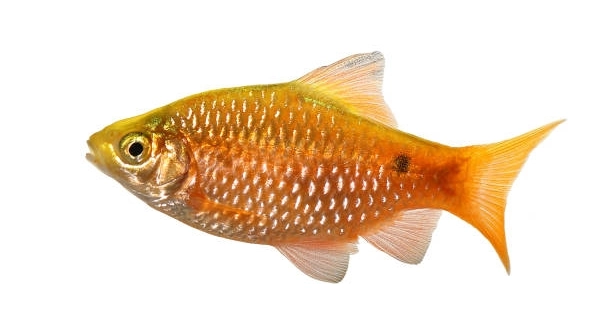
Rosy barbs are popular aquarium fish known for their bright colors and lively behavior. Sometimes, these fish suddenly stop eating, which can worry many fish owners. Understanding why this happens can help keep them healthy and happy.
Rosy barbs may refuse to eat due to stress, poor water quality, illness, or changes in their environment. These factors affect their appetite and overall health, making it essential to monitor tank conditions and observe any unusual behavior closely.
Knowing the reasons behind their refusal to eat can improve care and prevent health problems for your rosy barbs. This article will explain the common causes and how to address them.
Common Causes of Appetite Loss in Rosy Barbs
When rosy barbs stop eating, several common reasons could be behind this behavior. Stress is a major factor, often caused by sudden changes in the tank environment like temperature fluctuations or new tank mates. Poor water quality, including high levels of ammonia or nitrites, can also affect their appetite. Illnesses such as parasites or bacterial infections may make them lose interest in food. Sometimes, if their diet lacks variety or essential nutrients, they might refuse to eat. Overfeeding can also lead to a lack of hunger, making fish less likely to take new food. Watching for other signs like lethargy, clamped fins, or unusual swimming can help identify if illness is involved. Understanding these causes can make it easier to respond quickly and keep your fish healthy.
Water quality issues require immediate attention. Regular testing and maintenance can prevent appetite problems and other health issues.
Changes in environment or health can drastically affect rosy barbs’ eating habits. Knowing what to check helps avoid serious problems.
How to Improve Eating Habits in Rosy Barbs
Keeping rosy barbs eating well starts with stable tank conditions. Avoid sudden changes in temperature or lighting, and keep the water clean with regular water changes. Feeding them a balanced diet that includes flakes, pellets, and occasional live or frozen foods encourages healthy eating. Try offering food in small amounts multiple times a day instead of one large feeding. If illness is suspected, isolate the affected fish and consult with a vet or aquatic specialist for treatment options. Maintaining a calm environment by limiting tank disturbances and avoiding aggressive tank mates also supports appetite. Patience is important, as rosy barbs may take some time to adjust before they start eating again. Consistency in care often results in better feeding habits and overall health.
Stress and Its Effects on Rosy Barbs
Stress in rosy barbs can quickly lead to a loss of appetite. Common stressors include overcrowding, aggressive tank mates, or sudden changes in water conditions.
When fish are stressed, their bodies produce hormones that reduce their hunger and weaken their immune system. This makes them more vulnerable to diseases and infections, which can worsen their refusal to eat. Stress can come from poor water quality, loud noises near the tank, or even frequent tapping on the glass. Identifying and minimizing these stress factors helps the fish feel safer and more comfortable. A calm, stable environment with enough space and compatible tank mates is essential for maintaining their appetite.
Reducing stress improves overall health and can help your rosy barbs regain interest in food. Small adjustments to the tank setup or routine can make a big difference in their well-being.
Importance of Water Quality for Appetite
Water quality directly impacts rosy barbs’ willingness to eat. Dirty or unbalanced water can cause discomfort and health issues, leading to appetite loss. Testing for ammonia, nitrites, and nitrates is important to keep these levels low. Performing regular partial water changes helps remove toxins and refreshes the tank environment. Filtration systems should be checked and cleaned to ensure proper function. Stable pH and temperature levels also support fish health and appetite. When water conditions are ideal, rosy barbs are more likely to eat normally and remain active. Ignoring water quality issues can lead to long-term problems and stress for the fish.
Monitoring and maintaining water quality is a key step in preventing appetite loss. Consistent care creates a safer, healthier environment where rosy barbs thrive and eat well.
Illness and Appetite Loss
Illness often causes rosy barbs to stop eating. Parasites, bacterial infections, or fungal diseases can affect their health quickly.
Sick fish may also show other signs like faded colors, clamped fins, or unusual swimming. Early treatment is important to help them recover.
Diet and Feeding Routine
A poor diet or irregular feeding can cause rosy barbs to refuse food. Feeding only one type of food or overfeeding may reduce their interest. Offering a balanced diet with variety and feeding small amounts several times a day encourages consistent eating habits.
Tank Environment and Social Behavior
Rosy barbs need a calm tank environment with compatible tank mates. Aggressive fish or overcrowding can stress them and lower their appetite.
Signs of Appetite Problems
Watch for sudden changes in eating habits as an early sign of trouble.
FAQ
Why do rosy barbs sometimes refuse to eat?
Rosy barbs may stop eating due to stress, illness, poor water quality, or changes in their environment. Stress can come from overcrowding, aggressive tank mates, or sudden changes in water temperature. Illnesses like parasites or infections affect their health and reduce appetite. Poor water conditions with high ammonia or nitrite levels can also discourage feeding. Sometimes, their diet lacks variety, making them less interested in food. It’s important to check all these factors to find out why your fish may be refusing food.
How can I tell if my rosy barbs are stressed?
Signs of stress in rosy barbs include hiding often, rapid breathing, clamped fins, or swimming erratically. They may also lose color or act less active. Stress weakens their immune system and lowers their appetite. Checking water quality, tank mates, and environment can help identify what is causing the stress.
What should I do if my rosy barb stops eating?
First, check water quality by testing ammonia, nitrites, nitrates, pH, and temperature. Make sure the tank is clean and stable. Look for signs of illness like spots, unusual swimming, or discoloration. Isolate sick fish if needed and consider treatment options. Change the diet by offering varied food types such as flakes, pellets, live, or frozen foods. Feed small amounts multiple times a day and avoid overfeeding. Reducing stress by ensuring a calm tank and compatible tank mates is also important.
Can water temperature affect rosy barb appetite?
Yes, water temperature plays a big role in their appetite. Rosy barbs thrive in temperatures between 64°F and 72°F (18°C to 22°C). If the water is too cold, their metabolism slows, and they eat less. Too warm water can cause stress or oxygen problems, which also reduce appetite. Maintaining stable, appropriate temperature helps keep them healthy and eating well.
How often should I feed rosy barbs?
It’s best to feed rosy barbs small amounts two to three times a day. Overfeeding can lead to leftover food that pollutes the water and causes health problems. Feeding multiple small portions encourages consistent eating and reduces waste. Always remove any uneaten food after a few minutes.
What kinds of food do rosy barbs like?
Rosy barbs enjoy a varied diet that includes high-quality flakes, pellets, and occasional live or frozen foods like bloodworms, brine shrimp, or daphnia. Providing a mix of protein and plant-based food keeps them balanced and interested in eating. Avoid feeding only one type of food to prevent boredom or nutritional gaps.
Can aggressive tank mates affect feeding behavior?
Yes, aggressive or territorial fish can stress rosy barbs, making them hide or avoid feeding areas. Overcrowding also causes competition and stress. Choosing peaceful tank mates and giving enough space helps reduce this problem. A calm social environment encourages rosy barbs to eat regularly.
How can I improve appetite in sick rosy barbs?
When rosy barbs are sick, improving appetite involves treating the illness and creating a stress-free environment. Use appropriate medications based on the diagnosis. Offer easily digestible foods and feed smaller portions more often. Keeping water clean and stable supports their recovery. Sometimes, fasting a day or two before treatment can help clear their system.
Is it normal for rosy barbs to skip meals sometimes?
Yes, occasional meal skipping can happen, especially during tank changes or mild stress. However, if they stop eating for more than a day or two, it may indicate a problem. Monitor their behavior and environment closely to catch any issues early.
How important is tank maintenance for rosy barb health?
Tank maintenance is crucial for keeping rosy barbs healthy and feeding well. Regular water changes, cleaning the substrate, and checking filtration prevent toxin buildup. Good water quality reduces stress and illness risk, which directly affects appetite. Consistent maintenance keeps the tank stable and the fish comfortable.
Rosy barbs are lively and colorful fish that bring life to any aquarium. When they refuse to eat, it can be concerning because eating is a sign of good health. Many factors can cause this behavior, including stress, poor water quality, illness, or changes in their environment. Understanding these reasons helps fish owners respond quickly and keep their rosy barbs healthy. Regular care and attention to the tank’s conditions often prevent many problems before they start. Watching your fish daily can alert you early if something is wrong.
Taking good care of the tank is one of the best ways to support your rosy barbs’ appetite. Keeping the water clean and stable, testing it regularly, and making sure the temperature is right will help your fish feel comfortable. Providing a balanced and varied diet is also important. Rosy barbs enjoy different types of food, including flakes, pellets, and occasional live or frozen treats. Feeding small amounts multiple times a day helps prevent overfeeding and keeps the fish interested in their meals. Avoiding overcrowding and aggressive tank mates reduces stress, which is a common cause of appetite loss.
If your rosy barbs stop eating, it’s important to act quickly but calmly. Check the tank’s environment first and look for signs of illness. If you suspect sickness, isolating the fish and seeking advice or treatment can make a big difference. Sometimes small changes, like adjusting feeding habits or improving water quality, are enough to bring them back to normal. Patience is key, as fish may take time to recover. With consistent care and a watchful eye, your rosy barbs can regain their appetite and continue to thrive in your aquarium.

Hello,
If you enjoy the content that we create, please consider saying a "Thank You!" by leaving a tip.
Every little bit helps us continue crafting quality advice that supports the health, happiness, and well-being of pets around the world, for pets of all shapes, sizes, and species.
We really appreciate the kindness and support that you show us!