
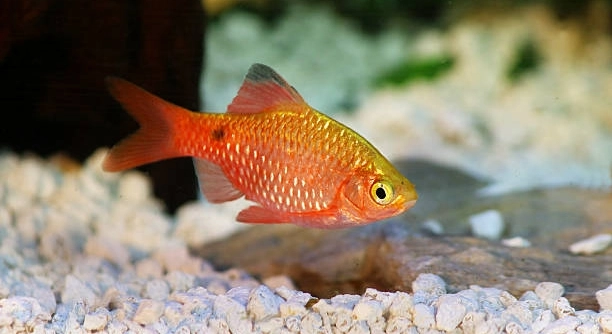
Rosy barbs are popular aquarium fish known for their bright colors and active behavior. Sometimes, they gather and swim in circles around the heater in their tank. This behavior can seem puzzling to many fish keepers.
Rosy barbs circle the heater mainly because of the warmth it provides. Fish are cold-blooded and seek stable, comfortable temperatures. The heater creates a warmer area in the tank, attracting them for comfort or stimulation. This circling is a natural response to temperature gradients.
This article will explain why rosy barbs behave this way and what it means for their care in home aquariums. Understanding their needs can help keep them healthy and happy.
Why Rosy Barbs Prefer Warm Spots in the Tank
Rosy barbs naturally seek warmer areas because their metabolism depends on water temperature. In the wild, they swim in waters where temperature can vary, so they learn to move to warmer zones when feeling sluggish or stressed. The aquarium heater mimics this by creating a heat source, attracting them. This behavior is not unusual; it helps them stay active and maintain energy. When water in the tank is cooler than their preferred temperature, rosy barbs will often circle the heater to warm up. It also helps their digestion and immune system. Observing this can give clues about the overall tank environment. If the fish constantly stay near the heater, it might indicate the water temperature is too low for their comfort. Regular monitoring of temperature ensures the entire tank remains suitable for their health and prevents the need for them to cluster around one spot.
This behavior reflects the fish’s instinct to regulate body temperature through their environment.
Keeping consistent temperature throughout the tank prevents stress and promotes even activity among all fish.
How Tank Setup Affects Rosy Barbs’ Behavior
A poorly set up aquarium can lead to uneven water temperatures, causing rosy barbs to group near the heater. Proper placement of the heater and good water circulation are essential. If the heater is at one end of the tank and the water does not move well, the warmer zone will be localized. Rosy barbs will then gather there more frequently. Using a filter or water pump can help distribute heat evenly and keep the tank comfortable for all fish. Tank size also matters—smaller tanks tend to have less stable temperatures, increasing the chances of fish clustering near heat sources. It’s important to measure temperature in different tank spots regularly. By making simple adjustments, such as moving the heater or adding circulation devices, you can encourage the fish to spread out and explore the whole tank.
Uneven heating often results from insufficient water movement or tank size limitations.
Ensuring proper water flow and heater placement supports healthy, natural behavior in rosy barbs.
A balanced tank environment reduces stress and prevents fish from crowding in warmer spots, allowing them to thrive. Monitoring water quality and temperature regularly will help identify any issues early and maintain a stable habitat. A well-maintained aquarium provides a better experience for both the fish and the keeper. By understanding the influence of tank setup on fish behavior, it becomes easier to create conditions that meet their needs. This leads to a more active and visually appealing aquarium, where rosy barbs swim freely rather than clustering around heaters. Adjusting equipment and paying attention to environmental factors will promote healthier, happier fish over time.
Common Reasons Rosy Barbs Circle the Heater
Rosy barbs often circle the heater because they seek warmth and security. This behavior can also be a sign of curiosity or interaction with their environment. Sometimes, it shows a response to stress or changes in tank conditions.
Warm water near the heater supports their metabolism, making them more active and alert. When the rest of the tank is cooler, the heater area becomes a comfortable refuge. At times, rosy barbs may also circle the heater out of habit or as part of their natural swimming patterns. Stress factors, such as sudden changes in water quality or tank mates, can increase this behavior. It’s important to observe other signs to determine if the circling is healthy or indicates a problem.
Fish often use warm spots to boost their immune systems and digestion. However, excessive circling may suggest issues with tank temperature or environment stability, which should be addressed promptly.
How to Adjust Your Tank for Balanced Fish Behavior
Maintaining a stable and evenly heated tank reduces the tendency of rosy barbs to cluster near the heater. Proper placement of equipment and regular monitoring help create balance. A consistent temperature range keeps fish comfortable throughout the aquarium.
Ensuring the heater is submerged and placed where water circulation distributes warmth evenly prevents hot spots. Adding a gentle filter or air stone encourages water movement, spreading heat throughout the tank. Testing temperature at different points helps detect cold areas. Adjusting the thermostat or upgrading equipment might be necessary for better control. These steps encourage rosy barbs to explore their environment more freely, reducing circling behavior. A balanced setup benefits all inhabitants, promoting overall tank health and natural activity.
Investing time in tank adjustments improves fish wellbeing and makes the aquarium more enjoyable to watch and care for over time.
Signs of Stress in Rosy Barbs
Circling the heater can sometimes signal stress in rosy barbs. Changes in water quality, temperature fluctuations, or aggressive tank mates may cause this behavior. Watching for other signs like loss of appetite or dull coloration helps identify stress early.
Stress weakens their immune system, making them more vulnerable to illness. Addressing tank conditions promptly supports their health and reduces anxiety.
Ideal Temperature Range for Rosy Barbs
Rosy barbs thrive best in water temperatures between 64°F and 72°F (18°C to 22°C). Keeping the tank within this range ensures they remain active and healthy. Temperatures outside this range can cause discomfort, leading to unusual behaviors like circling the heater. Regularly checking water temperature helps maintain stability and promotes the well-being of your fish.
Importance of Proper Tank Maintenance
Consistent cleaning and water changes prevent harmful buildup that stresses fish. Maintaining good water quality reduces the need for fish to seek warmer or safer areas.
When to Seek Expert Advice
If circling behavior persists despite stable tank conditions, consulting a specialist can help identify underlying health issues or environmental problems.
FAQ
Why do rosy barbs sometimes swim in circles near the heater?
Rosy barbs swim near the heater because they are attracted to the warmth it provides. As cold-blooded animals, they depend on their environment to regulate body temperature. The heater creates a warm spot in the tank, and fish will naturally gather there when the rest of the water is cooler. Circling near the heater can also be a way to stay active in a comfortable temperature zone or simply a habit when exploring their environment.
Is it normal for rosy barbs to cluster around the heater all the time?
While it’s normal for rosy barbs to spend some time near the heater, constant clustering can signal an issue. This may indicate the tank temperature is too low overall or unevenly distributed. It might also point to stress factors like poor water quality or aggressive tank mates. If they never leave the heater area, it’s best to check tank conditions and make adjustments to ensure a healthy environment.
Can the heater cause stress or harm to rosy barbs?
The heater itself won’t harm fish if it’s functioning properly and set to the correct temperature. However, if the heater creates a hot spot that is too warm or if the tank has poor circulation, fish might overheat or experience stress. Ensuring the heater is submerged, placed correctly, and that water circulates well helps avoid these problems and keeps fish comfortable.
How can I prevent rosy barbs from crowding the heater?
Improving water circulation is key to preventing crowding. Use a filter or air pump to spread heat evenly throughout the tank. Position the heater in an area where water flows freely. Keeping the overall tank temperature within the recommended range also helps. Regular temperature checks in different spots will identify cold or warm zones that need attention. A balanced environment encourages rosy barbs to swim freely instead of clustering.
What temperature should I keep my tank for rosy barbs?
The ideal temperature range for rosy barbs is between 64°F and 72°F (18°C to 22°C). Staying within this range keeps them comfortable and active. Temperatures lower or higher than this can cause stress and lead to unusual behavior like circling the heater. Use a reliable aquarium thermometer to monitor the temperature daily and adjust the heater as needed.
Could circling behavior indicate illness?
Yes, sometimes circling the heater may indicate health issues. Fish that are sick or stressed might seek warmth to boost their immune response. If you notice other signs like loss of appetite, lethargy, or changes in color along with circling, it’s wise to test water quality and consider consulting a veterinarian or aquarium expert. Early intervention improves the chances of recovery.
Should I be concerned if my rosy barbs chase each other near the heater?
Rosy barbs are social fish and may chase each other as part of their normal interaction. However, aggressive chasing that causes injury or stress can be problematic. If chasing mainly happens near the heater, it could be due to limited space or fish competing for the warm area. Providing plenty of hiding spots and maintaining a stable tank temperature can reduce aggressive behavior.
Does tank size affect rosy barbs’ behavior around the heater?
Tank size influences how heat is distributed and how much space fish have to swim. Smaller tanks are more prone to temperature fluctuations and uneven heating, which causes fish to cluster near the heater. Larger tanks generally maintain more stable temperatures and allow fish to spread out comfortably. Choosing an appropriately sized tank and ensuring good water circulation are important to promote healthy behavior.
How often should I check my aquarium’s temperature?
It’s best to check the tank temperature daily or at least several times a week. Temperature can change with room conditions, heater performance, or equipment issues. Using an accurate thermometer placed in different parts of the tank helps ensure the temperature is stable and within the safe range for rosy barbs. Regular checks prevent surprises and help maintain a healthy environment.
Can changing tank decorations affect my rosy barbs’ behavior?
Yes, changes to tank decorations can influence how rosy barbs behave. Adding or removing plants, rocks, or hiding places can change how fish explore and interact with their environment. If decorations block water flow or the heater, it might create temperature pockets causing fish to cluster. Keeping a well-organized tank that allows water movement and offers hiding spots promotes balanced behavior and reduces stress.
Final Thoughts
Understanding why rosy barbs sometimes circle the heater helps improve their care and tank environment. This behavior is mainly driven by their need for warmth, as they rely on external heat to regulate their body temperature. The heater creates a warmer area that attracts them, especially if the rest of the tank is cooler than their preferred range. Observing this can give helpful clues about the water conditions and whether the temperature is balanced throughout the aquarium. Ensuring the tank temperature stays within the recommended range for rosy barbs helps reduce the need for them to cluster in one spot and promotes healthier behavior overall.
Proper tank setup plays a key role in preventing excessive circling near the heater. Good water circulation spreads heat evenly, allowing fish to move freely without needing to seek out warmer zones. Positioning the heater in a location where water flow is strong helps avoid hot or cold spots. Regular monitoring of temperature at various points in the tank can identify uneven heating early, making it easier to adjust equipment or placement. A balanced environment supports not only the physical health of rosy barbs but also their natural activity levels and social interactions, creating a more enjoyable aquarium experience.
Paying attention to other signs, such as changes in appetite, color, or behavior, is important to catch potential stress or health issues early. Circling the heater can sometimes be a response to environmental problems or illness, so regular tank maintenance and water testing are necessary. By providing a stable, comfortable habitat and addressing any issues quickly, rosy barbs can thrive and display their vibrant colors and lively personalities. Taking these steps ensures the aquarium remains a healthy, peaceful space for both the fish and the keeper.

Hello,
If you enjoy the content that we create, please consider saying a "Thank You!" by leaving a tip.
Every little bit helps us continue crafting quality advice that supports the health, happiness, and well-being of pets around the world, for pets of all shapes, sizes, and species.
We really appreciate the kindness and support that you show us!