
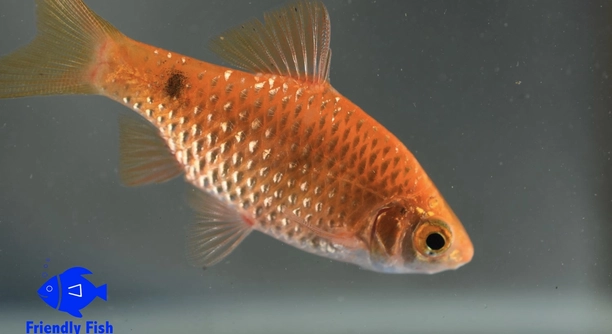
Rosy barbs are popular aquarium fish known for their bright, attractive colors. Many owners enjoy watching them swim, but sometimes their colors seem to shift unexpectedly. Understanding why this happens can help keep these fish healthy and vibrant.
Rosy barbs change color mainly due to environmental factors, stress, diet, and health conditions. Variations in water quality, lighting, and temperature can cause color shifts, as well as changes in mood or breeding behavior. Proper care helps maintain their natural hues.
Color changes can reveal important details about your fish’s well-being. Knowing what affects their appearance will make caring for them easier and more rewarding.
Environmental Factors Affecting Rosy Barb Colors
Water quality is one of the biggest influences on a rosy barb’s color. When water conditions change suddenly or worsen, the fish may lose some of their bright colors. Factors like pH levels, ammonia, and nitrate concentrations affect how vibrant the fish appear. Lighting also plays a major role; dim or harsh light can dull their colors, while natural, balanced lighting helps them shine. Temperature shifts can cause stress, making the colors fade or darken. In a stable environment with clean water and proper lighting, rosy barbs tend to display their best colors consistently. Aquarium owners who monitor water parameters regularly often see healthier, more colorful fish. It is also important to provide hiding spots and plants to reduce stress, which supports their natural coloration.
Stable water and lighting conditions are key to keeping rosy barbs colorful and healthy. Regular checks prevent sudden changes that impact their appearance.
Adjusting the aquarium environment gradually helps the fish adapt without stress. Using proper filtration and lighting systems supports stable conditions. Maintaining the temperature within 72–78°F keeps them comfortable. Regular partial water changes improve quality and remove toxins. Avoid overcrowding to reduce stress, which dulls colors. Adding live plants mimics their natural habitat and provides shade. Keeping these factors balanced will help your rosy barbs maintain their lovely hues and stay active. When fish feel secure, their colors naturally brighten, showing off their true beauty.
Stress and Its Impact on Color Changes
Stress can cause rosy barbs to lose color quickly. Stress comes from poor water, bullying, or sudden changes in the tank.
When rosy barbs feel stressed, their bodies produce hormones that affect pigmentation. Stressors such as aggressive tank mates, too much noise, or frequent handling cause this reaction. Even changes like moving the tank or rearranging decorations can unsettle them. In a stressed state, their colors often turn pale or gray. This is a protective response to avoid drawing attention from predators. Chronic stress weakens their immune system and can lead to illness. Watching your fish for signs of stress and minimizing disturbances helps keep their colors bright. A calm, peaceful tank environment supports their well-being and natural coloring over time.
Diet and Color Vibrancy
A balanced diet directly affects the color intensity of rosy barbs. Foods rich in natural pigments like carotenoids boost their reds and oranges.
Feeding rosy barbs a variety of high-quality foods is important for maintaining their vivid colors. Including flakes or pellets formulated with carotenoids helps enhance reds and pinks. Supplementing their diet with live or frozen foods, such as brine shrimp or bloodworms, adds protein and nutrients. Fresh vegetables like spinach or peas also contribute vitamins that support overall health. Poor nutrition or feeding only basic flakes can cause colors to fade over time. Regularly changing their diet to include colorful, nutrient-rich foods supports their natural beauty and energy.
Sometimes dietary deficiencies hide beneath good water conditions. Even if the tank is perfect, dull colors might signal a need for more pigment-rich foods. It’s worth experimenting with different foods to find what brightens your fish best. Remember that overfeeding can cause water quality issues, so balance is key. A varied diet keeps rosy barbs healthy and glowing.
Breeding and Color Changes
Rosy barbs often change color during breeding. Males usually display more intense hues to attract females.
Color shifts are natural during breeding seasons and indicate readiness to mate. Males become brighter, showing reds and oranges to signal their fitness. Females may become slightly duller or show subtle changes. This temporary color change helps with mating success but fades after spawning. Providing a calm, stable environment encourages healthy breeding behavior. Recognizing these natural changes can help avoid unnecessary worries about their health or tank conditions.
Illness and Color Dullness
Illness often causes rosy barbs to lose their bright colors. A dull or faded appearance can be an early sign of health problems.
If you notice a sudden color change along with lethargy, loss of appetite, or unusual behavior, it’s important to check water quality and consider treatment options quickly. Early detection helps prevent worsening of the condition and supports recovery.
Genetics and Natural Variation
Some rosy barbs naturally have variations in their color intensity due to genetics. Not all fish display the same brightness even in perfect conditions.
Selective breeding creates different color strains, so some individuals might have more muted tones. Understanding this helps set realistic expectations and reduces unnecessary worry about color changes.
Lighting and Color Perception
Lighting affects how you see your rosy barbs’ colors. Bright, natural light brings out their true colors, while poor lighting dulls them.
Adjusting aquarium lighting can improve the appearance of your fish without changing their actual pigmentation.
Why do rosy barbs lose their color suddenly?
Sudden color loss in rosy barbs usually happens because of stress or a change in their environment. It could be a shift in water temperature, poor water quality, or the introduction of new fish that causes anxiety. Stress triggers hormonal changes that dull their colors. Sometimes illness is the cause, so watch for other signs like sluggish behavior or loss of appetite. Ensuring stable water conditions and a calm tank helps prevent these sudden fades.
Can diet alone bring back faded colors in rosy barbs?
A good diet plays a big role in restoring color, but it’s not the only factor. Foods rich in carotenoids, like certain flakes or live foods, can help bring out reds and oranges. However, if water quality or stress issues remain, dietary changes alone won’t fix the problem. Combine proper nutrition with clean water and a stress-free environment for the best results. Overfeeding should be avoided as it can harm water quality.
How long does it take for rosy barbs to regain their color?
The time varies depending on the cause. If poor water quality or stress is fixed quickly, colors can start to improve within a week. Dietary improvements may take a bit longer, sometimes several weeks, before the full color returns. For natural breeding color changes, bright hues may last only for a short period. Patience and consistent care are key during this time.
Is it normal for rosy barbs to change color during breeding?
Yes, this is very normal. Male rosy barbs often show brighter and more intense colors to attract females during breeding season. Females may become slightly duller. These changes are temporary and will usually return to normal after breeding. This natural color shift is part of their mating behavior and is a good sign of healthy fish.
Can lighting cause rosy barbs to appear dull even if they are healthy?
Yes, lighting has a strong effect on how you see their colors. Poor or dim lighting can make even healthy fish look faded or dull. Using bright, balanced aquarium lights helps show their true colors. Natural daylight spectrum lights are best. Avoid very harsh or too dim lighting to keep the colors vibrant without stressing the fish.
What should I do if my rosy barbs’ colors keep fading despite good care?
If color fading continues despite good water conditions and diet, check for hidden stress sources. Overcrowding, aggressive tank mates, or too much noise can keep fish stressed. Also, consider their genetics; some fish naturally have less intense coloration. If illness is suspected, consult a vet or aquarium specialist for proper diagnosis and treatment. Keeping a calm environment and monitoring behavior closely helps prevent long-term color loss.
Are there any signs that indicate color change is a health issue?
Yes, sudden or extreme color loss combined with other symptoms like lethargy, clamped fins, rapid breathing, or loss of appetite often points to illness. Fungal or bacterial infections can cause these changes. If you see these signs, test water quality and consider treatments quickly. Early action increases the chances of recovery and helps your fish regain their color and health.
Does stress always cause rosy barbs to lose color?
Most of the time, yes. Stress triggers hormone changes that reduce pigmentation to help fish blend into their environment. Causes include poor water quality, bullying from other fish, or frequent tank disturbances. Some fish may lose color quickly, while others show mild fading. Reducing stress factors by improving tank conditions and minimizing sudden changes usually restores color over time.
Can temperature changes affect rosy barb coloration?
Temperature shifts outside their preferred range (72–78°F) can stress rosy barbs, leading to color dulling. Too cold or too warm water slows metabolism and affects pigment cells. Keeping the tank temperature stable within the recommended range is important for healthy color and overall fish well-being. Using a reliable heater and thermometer helps avoid sudden temperature swings.
How does genetics influence rosy barb color variations?
Genetics play a key role in how bright or muted a rosy barb’s colors can be. Different strains from selective breeding have varying pigment intensities. Some fish may naturally have softer colors even in perfect conditions. Knowing this helps set realistic expectations and reduces concern when certain fish don’t match the brightest specimens. Genetics combined with care determines the final appearance.
Rosy barbs are beautiful fish that can brighten any aquarium with their lively colors. However, their colors can change for many reasons, including environment, diet, stress, and health. Understanding these factors helps you care for them better and keep their colors bright. Paying attention to water quality, lighting, and tank conditions is important. These basic care steps create a stable environment where rosy barbs feel safe and healthy. When fish are comfortable, they show off their best colors naturally. It is normal for their colors to shift sometimes, especially during breeding or slight stress, but keeping a close eye helps catch bigger problems early.
Feeding rosy barbs a balanced diet rich in pigments also supports their vibrant appearance. Foods that include natural carotenoids boost reds and oranges, making the fish look more colorful. It’s easy to overlook diet when thinking about fish color, but it makes a big difference. Offering variety with quality flakes, live or frozen foods, and some vegetables helps maintain their health and bright hues. Remember to avoid overfeeding, as leftover food can harm water quality and cause stress. Combining proper nutrition with good water care is the best way to keep rosy barbs looking their best and living longer.
Finally, don’t forget that some color changes are natural and part of the fish’s life cycle. Breeding, mood, and genetics all influence how rosy barbs look at different times. While sudden or extreme fading can signal stress or illness, mild changes are often harmless. Observing your fish closely and understanding their habits can make a big difference in how you care for them. Keeping their environment stable, feeding well, and reducing stress will help maintain their beautiful colors for a long time. With simple care and attention, rosy barbs can remain colorful and healthy, bringing joy to your aquarium.

Hello,
If you enjoy the content that we create, please consider saying a "Thank You!" by leaving a tip.
Every little bit helps us continue crafting quality advice that supports the health, happiness, and well-being of pets around the world, for pets of all shapes, sizes, and species.
We really appreciate the kindness and support that you show us!