
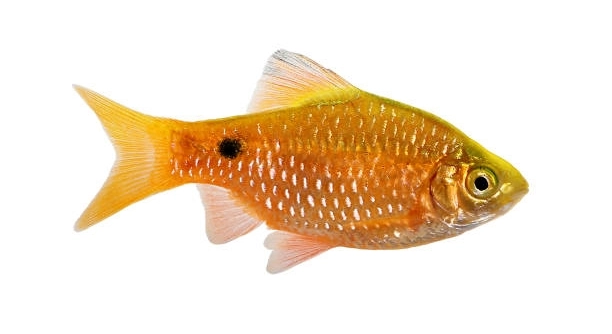
Rosy barbs are popular aquarium fish known for their vibrant colors and active behavior. Many fish owners notice these fish quickly scatter when someone enters the room. This common reaction often leaves owners wondering about their shy and skittish nature.
Rosy barbs scatter when a person enters the room mainly because of their natural instinct to avoid potential threats. Sudden movements and shadows can startle them, triggering a flight response to seek safety in their environment. This behavior is a survival mechanism common in many fish species.
Understanding why rosy barbs react this way can help you create a more comfortable environment for them. This knowledge also helps improve your interaction and care for these lively fish.
Natural Instincts and Tank Environment
Rosy barbs are naturally cautious fish. In the wild, they live in groups and constantly watch for predators. When someone enters a room, their sudden appearance and movement can feel like a threat. This makes the fish scatter quickly to hide or stay safe. In an aquarium, the fish don’t face real predators, but their instincts remain strong. Lighting changes and shadows caused by your presence can make them nervous. Tank decorations and plants help provide places to hide, which makes them feel more secure. If the tank is small or bare, the fish have fewer spots to retreat to, increasing their stress. Over time, some rosy barbs may become used to human presence, but their basic instinct to react quickly often stays. Creating a calm environment with good hiding places can help reduce their startled reactions and make them feel more comfortable.
Tank setup plays a big role in how rosy barbs behave around people.
Comfortable hiding spots and stable lighting help the fish feel safe and reduce their need to scatter.
How Interaction Affects Rosy Barbs
Rosy barbs respond differently based on how they are approached. Quick or sudden movements tend to scare them more than slow, gentle ones. Regular, calm interaction can slowly build their trust. This means that over time, the fish might react less strongly when you enter the room. However, their natural instincts won’t disappear completely. Loud noises or tapping on the tank glass can still startle them. It’s important to move slowly and speak softly when near the aquarium. Feeding the fish by hand or nearby can also help them associate your presence with positive experiences. By observing their behavior carefully, you can learn what makes them feel safe or nervous. This understanding improves how you care for them daily and creates a more peaceful environment for the fish. Consistent, gentle care encourages rosy barbs to be less shy, though their scattering reflex will always be part of how they protect themselves.
Tips to Reduce Scattering
Keeping a consistent routine helps rosy barbs feel more secure.
Avoid sudden movements or loud noises near the tank. Soft lighting and steady water flow can also calm the fish.
Adding plenty of plants and hiding places reduces stress by giving them spots to retreat. Slowly approaching the tank each day allows the fish to get used to your presence. Over time, this can lessen their instinct to scatter. Feeding the fish at regular times helps create a positive connection with you. It’s important to be patient and gentle since rosy barbs need time to adapt. Creating a calm, predictable environment is the best way to help them feel safe and reduce their skittish behavior.
Importance of a Healthy Environment
A clean, well-maintained tank is essential for rosy barbs’ comfort and health. Dirty water or poor conditions increase stress, which can make scattering worse. Regular water changes and monitoring water quality help keep the tank stable. Proper filtration removes waste and keeps the water clear. Feeding the fish a balanced diet supports their immune system and overall well-being. When fish are healthy and comfortable, they are less likely to be nervous or overly reactive. A stable environment encourages calm behavior and allows rosy barbs to enjoy their home more. Investing time in tank care will improve your fish’s quality of life and reduce their stress responses.
Recognizing Stress Signs
Rosy barbs that scatter often show other stress signs like hiding or loss of color.
Pay attention to changes in swimming patterns or appetite, which may indicate discomfort or illness.
The Role of Tank Mates
Tank mates influence how rosy barbs behave. Peaceful companions help reduce stress and encourage calmness. Aggressive or overly active fish can cause nervousness, making scattering worse. Choosing compatible fish helps create a balanced environment where everyone feels safe and relaxed.
Feeding and Behavior
Feeding time is a chance to bond and reduce fear.
Regular feeding schedules can make rosy barbs more comfortable around you.
Lighting Effects
Bright or flickering lights can startle rosy barbs, increasing their scattering tendency. Adjust lighting for a steady, moderate glow to keep them calm.
FAQ
Why do rosy barbs scatter when I enter the room?
Rosy barbs scatter because they have a natural instinct to avoid danger. Sudden movements, changes in light, or shadows can startle them. Even if your presence is not threatening, their survival instincts make them react quickly by swimming away to safe spots in the tank.
Can rosy barbs get used to me over time?
Yes, they can become more comfortable with your presence through regular, calm interactions. Approaching the tank slowly and feeding them consistently helps build trust. However, their instinct to scatter may never fully disappear because it is part of their natural defense.
How can I reduce my rosy barbs’ stress?
Create a calm environment by avoiding sudden movements and loud noises near the tank. Provide plenty of plants and hiding places for them to retreat to. Keep the lighting soft and steady. Regular tank maintenance and water quality also reduce stress.
Is it normal for rosy barbs to hide a lot?
Yes, hiding is a common way for rosy barbs to feel safe. If the tank has enough hiding spots, they will use these areas to relax. Excessive hiding might also indicate stress or poor water conditions, so always check tank health if behavior changes.
What tank mates work well with rosy barbs?
Peaceful fish such as danios or small tetras usually make good tank mates. Avoid aggressive or very territorial fish because they can increase stress and cause your rosy barbs to scatter more often.
Does feeding affect their behavior?
Feeding at regular times helps rosy barbs associate your presence with positive experiences. This can reduce their fear and scattering behavior. Avoid sudden changes in feeding routine or overfeeding, as this can stress the fish or cause water quality issues.
Can lighting cause rosy barbs to scatter?
Yes, very bright or flickering lights can startle rosy barbs. Use moderate, steady lighting to keep them calm. Providing shaded areas or plants can help control the light intensity in the tank.
How often should I clean my tank?
Regular water changes of about 20-30% every week or two keep the water clean and healthy. Clean filters as needed but avoid removing all beneficial bacteria at once. A clean tank supports your fish’s health and reduces stress that can cause scattering.
Are rosy barbs shy fish?
They can be shy, especially when new to an environment or if the tank setup doesn’t offer enough hiding places. Over time, many rosy barbs become more confident, but they retain natural caution.
What should I do if my rosy barbs keep scattering excessively?
Check the tank environment first: water quality, temperature, and presence of aggressive tank mates. Improve hiding spots and reduce disturbances near the tank. If problems continue, consider consulting a specialist to rule out illness or other issues.
Rosy barbs are lively fish that naturally react quickly to movement and changes around them. Their tendency to scatter when someone enters the room is mostly due to their instinct to stay safe from possible threats. This behavior is common and expected because fish rely on quick responses to survive in the wild. Even in a calm home aquarium, these instincts remain strong. Understanding this helps you see that their scattering is not a sign of illness or stress alone but a natural way they protect themselves. Knowing this can make it easier to care for them with patience and calm.
Creating a comfortable environment is very important for rosy barbs to feel safe and less likely to scatter often. Providing plenty of plants, decorations, and hiding places helps the fish relax. Soft, steady lighting and a clean tank with good water quality also make a big difference. Over time, gentle and consistent interaction can help rosy barbs get used to your presence. Feeding them regularly and moving slowly around the tank encourages them to feel more secure. Although their natural flight response will always be there, these small changes can make their behavior less jumpy and more enjoyable to watch.
Taking care of rosy barbs means paying attention to both their environment and their behavior. A peaceful tank with compatible fish, good water care, and stable conditions will support their well-being. It’s important to remember that these fish have instincts that can’t be completely changed, but they can learn to trust their surroundings and their owner. With patience and proper care, your rosy barbs can live happily and show more relaxed behavior. This makes owning them a rewarding experience and helps you better appreciate their natural beauty and energy.

Hello,
If you enjoy the content that we create, please consider saying a "Thank You!" by leaving a tip.
Every little bit helps us continue crafting quality advice that supports the health, happiness, and well-being of pets around the world, for pets of all shapes, sizes, and species.
We really appreciate the kindness and support that you show us!