
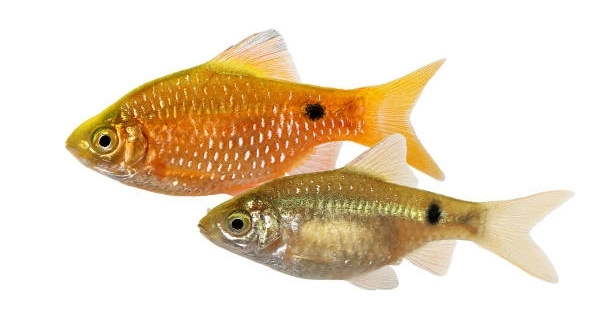
Have you ever noticed your rosy barbs constantly rubbing against the glass and wondered if something might be wrong in their tank?
Rosy barbs often rub against the glass due to poor water quality, stress, or external parasites. This behavior is commonly a sign of discomfort, prompting the fish to seek relief or attempt to escape irritating conditions.
Identifying the root cause behind this behavior can help you improve your tank setup and ensure your fish stay active, healthy, and comfortable.
Common Reasons Rosy Barbs Rub Against the Glass
Rosy barbs rubbing against the tank glass is usually a reaction to discomfort. One of the most common reasons is poor water conditions. Ammonia or nitrite spikes can irritate their skin and gills, prompting this kind of behavior. Another reason is external parasites like ich or flukes, which can make your fish itch. Stress from overcrowding, incompatible tank mates, or sudden changes in water temperature may also cause this behavior. Even boredom or a lack of stimulation in the tank can lead rosy barbs to act out in odd ways, including rubbing. It’s important to observe other symptoms like flashing, clamped fins, or changes in appetite. These clues help narrow down the cause. When your fish shows discomfort, it’s a sign something in the environment needs attention. Acting quickly helps prevent the issue from escalating into something more serious.
Check for other unusual behaviors like rapid gill movement or excessive hiding. These may confirm stress or illness.
If the water quality is poor, do a partial water change and test for ammonia, nitrite, and pH. Address parasite issues with proper treatment, ensuring you follow the directions exactly. If stress seems to be the issue, evaluate tank size, temperature stability, and potential aggression from other fish.
Preventing Future Glass Rubbing
Routine tank maintenance is the best way to reduce rubbing behavior. Clean your filter, vacuum debris, and monitor chemical levels weekly.
Rosy barbs need a clean and stable environment to stay healthy. Maintain a consistent water temperature between 72–79°F and test your water regularly. Make sure your tank is not overcrowded, as this can increase waste buildup and cause stress. Provide hiding spots and plants for stimulation and security. These additions create a more natural and engaging environment for your fish. When choosing tank mates, go for peaceful species that won’t harass your rosy barbs. Keep up with a varied diet and avoid overfeeding, which can degrade water quality quickly. When new fish or plants are introduced, always quarantine them first to avoid transferring parasites or bacteria. If any rubbing behavior returns, take action immediately. The earlier you identify the issue, the easier it is to fix. This helps your fish stay comfortable and active without recurring health concerns.
Signs It’s More Than Just a Habit
If your rosy barb rubs against the glass repeatedly, especially while displaying other symptoms like flashing, gasping, or clamped fins, it’s likely reacting to an underlying issue rather than behaving playfully or habitually. These signs should not be ignored.
When the rubbing is paired with rapid breathing or visible white spots, parasites such as ich might be present. These parasites irritate the skin, leading to constant rubbing. You may also notice the fish avoiding food, swimming erratically, or isolating itself. If only one or two fish show these signs, separate them if possible to reduce stress on the rest of the tank. Early treatment is more effective and less risky. Use medications appropriate for your tank size and fish species. Always remove carbon from the filter before medicating, as it can absorb treatment. Monitor closely for changes or improvements during treatment.
Ammonia burns, nitrate poisoning, or pH imbalances can also trigger this behavior. Poor water quality causes irritation to their gills and skin, making rubbing a natural response. Always test water parameters before jumping to conclusions. Inconsistent water changes or overfeeding are often at the root of this problem. A sudden pH swing or a strong chemical cleaner used nearby can affect your fish, too. Keep water conditions stable and avoid adding new elements without testing them first.
How to Respond and Help Quickly
Start by testing your water using a reliable test kit. Look for high ammonia, nitrite, or nitrate levels. Any imbalance should be corrected gradually.
If parasites are suspected, begin with increasing the water temperature slightly (within safe limits) to speed up the parasite life cycle. This makes treatment more effective. Add aquarium salt if your species can tolerate it, and follow up with appropriate medication based on symptoms. For bacterial infections, use antibacterial products designed for freshwater tanks. Isolate sick fish if their condition worsens or if you notice fin rot, ulcers, or significant behavior changes. Consistent observation helps track if your approach is working. After treatment, perform a partial water change and restore filter carbon to remove residue. Reduce stress by dimming lights and keeping noise low near the tank. A stable, calm environment gives your rosy barbs the best chance to recover comfortably.
When to Consult a Professional
If symptoms continue after treatment or spread to other fish, it’s time to consult a vet or aquatic specialist. Delaying professional help can worsen the condition and harm the entire tank.
A trained professional can perform more accurate diagnoses, including skin scrapes or microscopic analysis. This helps guide proper treatment.
Safe Products That Can Help
Use water conditioners that neutralize ammonia and chlorine without altering the pH drastically. Look for treatments labeled safe for planted and community tanks. Products like aquarium salt, ich medications, and bacterial treatments can be helpful if used correctly. Always follow dosage instructions and remove carbon before adding any medication.
Keep Observing
Even after the behavior stops, keep an eye on your rosy barbs. Ongoing observation helps ensure that the problem doesn’t return and that your tank stays balanced.
FAQ
Why do rosy barbs keep rubbing against the glass?
Rosy barbs often rub against the glass because they feel irritated or stressed. This behavior usually signals poor water quality, parasites, or stress from tank conditions. The glass rubbing is a way for them to try to relieve itching or discomfort caused by these factors.
Can rubbing cause injury to my rosy barbs?
Yes, constant rubbing against the glass can cause abrasions or damage to the fish’s scales and skin. This damage can lead to infections if left untreated. It is important to address the cause quickly to prevent injuries and maintain your fish’s health.
How do I know if the rubbing is due to parasites?
If rubbing is accompanied by flashing (rapid rubbing against objects), white spots, or clamped fins, parasites like ich could be present. Fish may also show lethargy, loss of appetite, or difficulty breathing. These symptoms together suggest a parasite problem.
What should I do if I suspect parasites?
Begin treatment by increasing the tank temperature slightly and adding aquarium salt if the species tolerates it. Use medications specifically designed to treat parasites. Remove carbon from your filter during treatment to avoid absorption of medicine. Monitor your fish closely during this time.
Can poor water quality cause rubbing behavior?
Absolutely. High levels of ammonia, nitrites, or nitrates irritate fish skin and gills, causing discomfort that leads to rubbing. Maintaining clean, well-filtered water with regular partial changes helps prevent this problem.
How often should I test my water to avoid problems?
Testing weekly is recommended to catch any imbalances early. More frequent testing may be necessary if you have new fish, plants, or notice behavior changes in your rosy barbs.
Is overcrowding a factor in rubbing behavior?
Yes, overcrowding can stress fish and degrade water quality. Stress causes behaviors like glass rubbing. Ensure your tank has adequate space for all inhabitants and good filtration to reduce stress.
What tank mates work best with rosy barbs?
Peaceful fish of similar size generally work well. Avoid aggressive species that may stress or nip at rosy barbs. Suitable companions include danios, tetras, and other barbs that share similar water needs.
How can I make the tank more comfortable for my rosy barbs?
Provide plenty of plants, hiding spots, and open swimming areas. Keep water parameters stable and avoid sudden changes. A varied diet and consistent maintenance support their overall well-being.
When should I seek professional help?
If your fish continue to rub despite treatment, or if multiple fish show signs of illness, consulting an aquatic vet or specialist is best. They can perform advanced tests and recommend proper treatments.
Can stress alone cause rubbing?
Stress from poor environment, tank mates, or frequent disturbances can lead to rubbing. Minimizing stress by maintaining a peaceful tank, stable water conditions, and avoiding overcrowding helps reduce this behavior.
Are there safe medications to treat skin irritation in rosy barbs?
Yes, several medications are formulated for freshwater fish and treat parasites or bacterial infections. Always use products specifically made for aquarium fish, follow dosage instructions, and avoid combining treatments without expert advice.
Does diet affect rubbing behavior?
A poor diet weakens fish immune systems, making them more vulnerable to parasites and infections that cause rubbing. Feed a balanced diet appropriate for rosy barbs to support health and reduce risks.
Can glass rubbing be a sign of boredom?
Sometimes, fish rub against surfaces due to lack of stimulation or environment enrichment. Adding plants, decorations, and varying the tank setup can help prevent boredom-related behaviors.
How do I safely treat my tank without harming plants or other fish?
Use medications labeled safe for community tanks and live plants. When treating, always follow guidelines and consider quarantining sick fish. Partial water changes after treatment help remove residues and keep the tank healthy.
What is the best way to prevent rubbing behavior?
Regular maintenance, stable water conditions, balanced diet, appropriate tank mates, and a stimulating environment prevent most causes of rubbing. Early detection of water or health issues helps keep rosy barbs comfortable.
Final Thoughts
Rosy barbs rubbing against the glass is a common behavior that often signals some level of discomfort or stress. While it may seem like a harmless habit, it usually points to an issue in the tank environment or the health of the fish. Understanding the reasons behind this behavior is important to maintain a healthy aquarium. Whether it is caused by parasites, poor water quality, or stress, addressing the root cause early can prevent further harm to your fish. Regular observation and tank care play a key role in keeping your rosy barbs happy and active.
Maintaining good water quality is essential. Regular testing of ammonia, nitrite, nitrate, and pH levels can help detect problems before they affect your fish. Partial water changes and proper filtration keep the water clean and safe. Stress should also be minimized by providing enough space, peaceful tank mates, and hiding spots. These steps create a stable and comfortable environment where your rosy barbs can thrive. If you notice signs of illness or unusual behavior, acting quickly with the right treatment can make a significant difference in recovery.
It is also helpful to remember that not all rubbing behavior means there is a serious health problem. Sometimes, it can be caused by boredom or minor irritation. Adding plants, decorations, or rearranging the tank can provide stimulation and reduce repetitive rubbing. A balanced diet supports your fish’s immune system and overall well-being. By staying attentive to your tank’s conditions and your fish’s behavior, you can prevent most issues and enjoy a lively, healthy aquarium.

Hello,
If you enjoy the content that we create, please consider saying a "Thank You!" by leaving a tip.
Every little bit helps us continue crafting quality advice that supports the health, happiness, and well-being of pets around the world, for pets of all shapes, sizes, and species.
We really appreciate the kindness and support that you show us!