
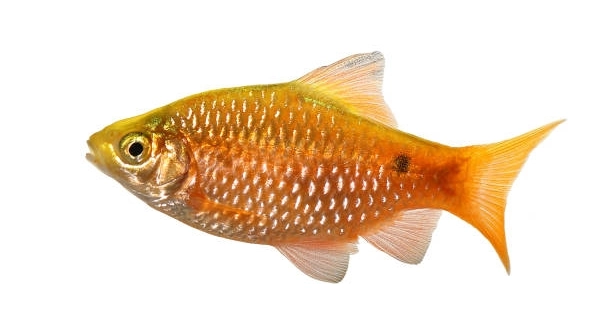
Rosy Barbs are small, colorful fish often seen swimming in groups in home aquariums. Many aquarists notice these fish tend to stay close together, creating tight clusters. This behavior is common and has interesting reasons behind it.
Rosy Barbs huddle together primarily for safety and social interaction. Grouping reduces individual risk from predators and helps maintain a stable social hierarchy. This schooling behavior also assists in efficient foraging and swimming through their environment.
Learning about why Rosy Barbs stick close can improve how you care for them and enhance your aquarium experience. Their group behavior holds important clues to their well-being and natural instincts.
Why Rosy Barbs School Together
Rosy Barbs naturally form groups, or schools, as a way to protect themselves from threats. In the wild, many predators hunt small fish, so staying close reduces the chance of being singled out. When they swim in a tight group, their movements confuse predators and make it harder to catch one fish. Besides safety, schooling helps the fish conserve energy. Swimming in a group creates a smoother flow of water around them, making movement easier. This behavior also supports social bonds. Rosy Barbs are social creatures and feel more secure when surrounded by others of their kind. If kept alone, they may become stressed or show signs of illness. Observing a school of Rosy Barbs can be calming, as their synchronized movements look graceful and natural.
The schooling behavior of Rosy Barbs is mainly about protection, energy efficiency, and social comfort.
When they swim together, Rosy Barbs benefit from safety in numbers and use less energy, while also keeping social ties strong, which helps maintain a healthy aquarium environment.
How Environment Affects Grouping
Rosy Barbs react to their surroundings, which influences how tightly they group.
The tank size, water quality, and presence of hiding spots all play a role in their schooling behavior. A cramped tank may force them closer, while a larger space lets them spread out more. Poor water conditions or sudden changes can stress them, causing them to bunch together for comfort. Good water quality and proper decorations help reduce stress, allowing more natural movement. Providing enough hiding spots makes them feel safe, which can reduce constant clustering. Rosy Barbs also respond to the presence of other fish. Aggressive or very shy tank mates may make them stick tighter or hide more. Paying attention to the environment and tank setup can encourage healthier social behavior and reduce stress-related clumping. Adjusting these factors can improve the quality of life for your fish and make their grouping patterns easier to understand.
Benefits of Grouping for Rosy Barbs
Grouping helps Rosy Barbs stay safe, share warmth, and communicate better. Being close supports their natural instincts.
Schooling provides safety by confusing predators and reducing individual risk. It also helps them conserve energy when swimming, as the group creates a smoother flow of water. Social interaction in groups reduces stress and encourages healthy behaviors, like synchronized swimming and coordinated feeding. This closeness also allows the fish to communicate subtle signals about danger or food, which improves their chances of survival. The fish feel more secure and confident in a group than when alone.
When Rosy Barbs stick together, they also enjoy a stable social order. This order helps reduce fights and competition. Grouping promotes overall well-being and a balanced aquarium environment.
What Triggers Huddling Behavior
Stress, fear, or changes in the environment can trigger Rosy Barbs to huddle. When they feel threatened, they instinctively gather for protection.
Poor water quality, sudden loud noises, or aggressive tank mates may cause them to cluster tightly. Huddling is a natural response to feel safer. It can also happen when they are cold or unwell, as clustering helps share warmth. Sometimes, young or newly introduced fish huddle until they get used to their surroundings. Observing these behaviors helps in spotting problems early. Improving tank conditions or removing stressors can reduce excessive huddling and keep your fish comfortable.
Recognizing what causes huddling is key to ensuring your Rosy Barbs stay healthy and stress-free.
Group Size and Comfort
Rosy Barbs feel safest in groups of six or more. Smaller groups can lead to stress and more huddling.
A larger group allows for better social interaction and reduces fear. When they have enough companions, their behavior becomes more relaxed and natural.
Feeding and Group Behavior
Feeding time often brings Rosy Barbs closer together. They gather quickly around food, which strengthens their schooling instinct.
The group moves in sync while competing gently for bites. This behavior also helps weaker fish get their share by staying close to others.
Recognizing Normal vs. Stress Huddling
Normal huddling looks calm and organized. Fish swim smoothly without signs of panic or aggression.
Stress huddling is frantic or tight, with rapid movements or hiding. Watching closely can help identify if your fish are healthy or need care.
Tank Setup Tips
Provide plants and hiding spots to reduce stress and allow natural grouping.
FAQ
Why do Rosy Barbs huddle tightly sometimes?
Rosy Barbs huddle tightly mostly when they feel threatened or stressed. This behavior helps them feel safer by staying close together, confusing potential predators. Stress factors can include sudden changes in water temperature, poor water quality, loud noises, or aggressive tank mates. If your fish huddle often, check the tank conditions and environment to make sure everything is stable and comfortable.
Is it normal for Rosy Barbs to swim in a group all the time?
Yes, it is perfectly normal. Rosy Barbs are schooling fish and naturally stay together. Swimming in a group reduces stress, conserves energy, and helps them communicate. When they swim close, it also keeps the social order within the group, which is important for their well-being.
How many Rosy Barbs should I keep together?
It’s best to keep at least six Rosy Barbs together. Smaller groups can cause stress and lead to more huddling or aggressive behavior. A larger group allows them to feel secure and display natural schooling behavior. Keeping them in groups smaller than six might make them feel lonely or vulnerable.
What tank size is best for Rosy Barbs?
A minimum of 30 gallons is recommended for a small group of six Rosy Barbs. This size gives them enough room to swim freely and form natural schools. A cramped tank can increase stress and cause them to huddle too tightly. Adding plants and decorations creates hiding spots, which also helps reduce stress.
Can Rosy Barbs get stressed by tank mates?
Yes, tank mates can impact their behavior a lot. Aggressive or very shy fish can make Rosy Barbs feel unsafe, causing them to huddle more often or hide. It’s important to choose peaceful and compatible species that won’t bully or scare them. Watching how the fish interact will help you spot any problems early.
How can I tell if my Rosy Barbs are stressed?
Signs of stress include constant huddling, loss of color, reduced activity, or hiding more than usual. They may also stop eating or show unusual swimming patterns. If you notice these signs, test the water quality, check for tank mate issues, and ensure the temperature and environment are stable.
Does temperature affect huddling behavior?
Yes, colder water can cause Rosy Barbs to huddle together to share warmth. They prefer temperatures between 64°F and 72°F (18°C to 22°C). If the water gets too cold or too warm suddenly, it can stress them out and trigger more tight grouping. Keeping a consistent temperature is key to their comfort.
What should I do if my Rosy Barbs keep huddling even in a good environment?
Sometimes, Rosy Barbs huddle as a natural part of their social behavior, especially during rest or sleep. If the environment is good and water parameters are stable, occasional huddling isn’t a problem. Just observe if they swim freely at other times and eat well. If they do, there’s no need to worry.
Can poor water quality cause huddling?
Definitely. Poor water quality is a common cause of stress in fish. High ammonia, nitrite, or nitrate levels can make Rosy Barbs uncomfortable and lead to huddling. Regular water tests and cleanings help keep the tank safe. Keeping the water fresh and well-filtered supports healthy schooling behavior.
Is huddling a sign of illness in Rosy Barbs?
Huddling alone is not always a sign of illness, but if combined with other symptoms like lethargy, loss of appetite, or visible spots, it might be. Ill fish often seek comfort by staying close to others. If you suspect sickness, consider isolating affected fish and checking water quality, or consult a vet experienced with aquarium fish.
Rosy Barbs are naturally social fish that find comfort in grouping together. Their tendency to huddle is part of their instinct to stay safe and feel secure. When they swim close to each other, it helps them avoid danger and reduces stress. This behavior is common in many small fish species, and it shows how important companionship is for their well-being. Understanding why Rosy Barbs stick together can help you create a better environment for them in your aquarium. When they feel safe and comfortable, they display more natural and lively behaviors.
Keeping Rosy Barbs in groups of six or more is a good way to support their social needs. Smaller groups can cause stress and make the fish feel vulnerable, which leads to more huddling and sometimes aggression. A larger group allows them to form a stable social structure where they can swim in harmony and enjoy each other’s presence. The environment also plays a key role. Proper tank size, good water quality, and hiding spots all help reduce stress and encourage healthy schooling. By paying attention to these factors, you can see your Rosy Barbs swim freely and happily.
Sometimes huddling is a sign of stress, illness, or discomfort, so it’s important to watch closely. Changes in water temperature, poor water quality, or aggressive tank mates can cause your fish to cluster more than usual. If you notice constant tight huddling along with other signs like loss of color or lack of appetite, it’s time to check the tank conditions and take action. Regular water testing, careful tank maintenance, and choosing compatible tank mates will help keep your Rosy Barbs healthy and calm. Overall, understanding their social behavior helps you provide a better home where they can thrive.

Hello,
If you enjoy the content that we create, please consider saying a "Thank You!" by leaving a tip.
Every little bit helps us continue crafting quality advice that supports the health, happiness, and well-being of pets around the world, for pets of all shapes, sizes, and species.
We really appreciate the kindness and support that you show us!