
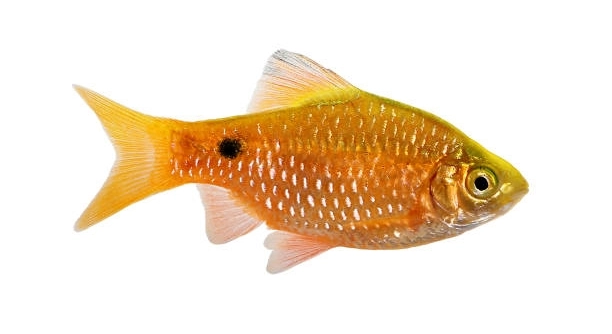
Rosy barbs are colorful freshwater fish often found in home aquariums. Many fishkeepers notice these lively creatures tend to hide during daylight hours. Understanding this behavior helps create a better environment for them to thrive.
Rosy barbs hide during the day primarily as a natural survival response to avoid predators and reduce stress. This behavior allows them to conserve energy and feel secure in their surroundings, especially when exposed to bright light or sudden movements.
Learning about why rosy barbs prefer to stay hidden can improve how you care for them. This knowledge also reveals more about their natural habits and needs in captivity.
Why Rosy Barbs Feel Safer Hiding
Rosy barbs instinctively seek shelter during the day to protect themselves from potential threats. In their natural habitat, they face predators that are more active in daylight. Hiding helps them avoid being seen and attacked. Even in aquariums, this behavior remains, as their survival instincts stay strong. Bright lighting, sudden movements, or loud noises can trigger their hiding reflex. Providing plenty of plants, decorations, or hiding spots helps reduce their stress. These safe spaces mimic their natural environment and encourage them to explore without fear. When rosy barbs feel secure, they are more likely to swim actively and display their vibrant colors. Ignoring this behavior could lead to stress-related health problems. It is important for owners to observe these patterns and adjust the tank setup accordingly. Keeping the environment calm and stable supports the well-being of rosy barbs over time.
Creating a calm, secure environment benefits the fish’s health and encourages natural behavior. Hiding is not a sign of illness but a comfort strategy.
Understanding their hiding habits allows better tank design. Offering quiet corners and soft lighting helps rosy barbs feel at home. With patience, they gradually become more confident and active during the day.
How Tank Conditions Affect Their Behavior
The lighting and layout of the tank play a key role in how much rosy barbs hide. Strong, direct light often makes them retreat. A well-planned tank uses gentle, diffused lighting that reduces stress. Adding plants and ornaments creates hiding spots, which help the fish feel safer. The size of the tank also matters; crowded tanks increase stress and hiding. Water quality impacts their comfort as well—poor conditions cause unease, leading to more hiding. Regular maintenance and proper filtration are essential. Monitoring these factors allows owners to create an environment where rosy barbs feel secure. When the tank meets their needs, hiding decreases, and their natural behavior appears. Adjusting tank conditions patiently helps maintain the fish’s health and happiness. Proper care ensures rosy barbs enjoy an environment that supports both their safety and activity.
How Stress Influences Rosy Barb Hiding
Stress causes rosy barbs to hide more frequently. Changes in their environment or sudden disturbances can trigger this behavior. Stress weakens their immune system, making them vulnerable to illness.
Stress in rosy barbs often comes from overcrowding, poor water quality, or aggressive tank mates. Overcrowded tanks reduce swimming space and increase competition for food, raising tension among fish. Poor water conditions, like high ammonia or nitrate levels, irritate their gills and skin, causing discomfort. Aggressive or territorial fish can intimidate rosy barbs, pushing them into hiding for safety. Reducing stress means addressing these issues promptly. Keeping water clean, providing enough space, and choosing peaceful companions help lower stress and encourage natural activity.
Managing stress improves rosy barbs’ overall health and reduces hiding. Stable tank conditions create a calm environment, promoting regular swimming and social interaction. Stress management is key to maintaining happy, visible fish.
The Role of Light and Feeding Patterns
Bright light often makes rosy barbs retreat into hiding spots. They prefer softer, indirect lighting that feels less threatening and mimics natural conditions. Sudden changes in light can also startle them.
Feeding schedules impact their behavior too. Irregular or insufficient feeding causes stress and hiding. Consistent feeding times create routine and trust, encouraging rosy barbs to come out of hiding. Offering small amounts several times a day prevents hunger-related stress. Feeding near hiding spots can help shy fish feel safer eating. Observing their reactions to light and feeding routines allows for better adjustments. These small changes can reduce hiding and promote healthier, more active fish. Maintaining a predictable environment is essential for their comfort and well-being.
Common Signs That Rosy Barbs Are Stressed
When rosy barbs are stressed, they often hide more than usual. You might notice them swimming less or staying still in one spot.
Other signs include loss of appetite and faded colors. These symptoms indicate the fish are uncomfortable and need attention to their environment.
Adjusting the Aquarium Setup
Changing the tank layout can make a big difference. Adding more plants and decorations provides secure hiding spots, which helps reduce stress. Rearranging these elements occasionally also prevents boredom and encourages exploration, making rosy barbs feel safer and more confident in their space.
When to Seek Help
If hiding continues despite adjustments, it might signal health issues. Consulting a vet or experienced aquarist ensures proper care and treatment. Early action can prevent further problems and improve the fish’s well-being.
FAQ
Why do rosy barbs only come out at night?
Rosy barbs tend to be more active during low light or nighttime because they feel safer from predators. In the dark, they are less visible, which lowers their stress. This natural behavior helps them avoid danger and conserve energy during the day when threats are more common.
Is it normal for rosy barbs to hide all day?
Yes, it is normal for rosy barbs to hide a lot during the day, especially if they feel stressed or threatened. However, if they hide constantly and don’t come out even in calm conditions, it may signal a problem like poor water quality or illness that needs addressing.
How can I make my rosy barbs less shy?
To help rosy barbs become less shy, create a calm tank environment with plenty of hiding places like plants and decorations. Avoid sudden movements or loud noises near the tank. Gradually reduce bright lighting and feed them regularly to build trust and comfort.
What kind of hiding spots do rosy barbs prefer?
Rosy barbs prefer dense plants, caves, and other aquarium decorations where they can feel safe. Natural-looking shelters made from rocks or driftwood are ideal. These spots should provide enough space to hide but still allow them to observe their surroundings.
Can lighting changes affect rosy barb behavior?
Yes, sudden or intense lighting can scare rosy barbs and cause them to hide. Using dim, indirect lighting or a timer to simulate natural light cycles helps reduce stress. Avoid turning lights on and off abruptly to keep their environment stable.
Does tank size affect how much rosy barbs hide?
Tank size does impact their behavior. Small, crowded tanks cause stress and increase hiding, while spacious tanks with enough swimming room make them feel more secure. A larger tank with well-planned hiding areas encourages natural activity.
How often should I feed rosy barbs to reduce hiding?
Feeding rosy barbs small amounts two to three times daily helps reduce stress and hiding. Regular feeding builds routine and trust, encouraging them to come out of hiding to eat. Overfeeding can cause water problems, so moderation is important.
What water conditions help keep rosy barbs comfortable?
Rosy barbs thrive in clean, well-filtered water with stable temperature between 64-72°F (18-22°C) and a pH of 6.5 to 7.5. Regular water changes and monitoring ammonia, nitrite, and nitrate levels help prevent stress that causes hiding.
Can other fish influence rosy barb hiding behavior?
Yes, aggressive or territorial fish can intimidate rosy barbs, making them hide more. Choosing peaceful tank mates and avoiding overcrowding reduces stress. Observing interactions helps identify problem fish that may need to be separated.
When should I worry about excessive hiding?
If rosy barbs hide excessively and show other signs like loss of appetite, lethargy, or discoloration, it may indicate illness or poor conditions. Testing water quality and consulting a vet or aquarist can help diagnose and treat problems early.
Does temperature affect their hiding habits?
Temperature outside the ideal range causes discomfort and stress, leading to more hiding. Keeping the tank within their preferred temperature range supports their health and encourages normal activity levels.
Can adding more plants reduce hiding?
Yes, adding plants creates natural hiding places that help rosy barbs feel secure. Plants also improve water quality by absorbing nitrates and providing oxygen, which further reduces stress.
Are rosy barbs more active with a certain light cycle?
A consistent light cycle that mimics natural day and night helps regulate their behavior. About 10-12 hours of light followed by darkness promotes a healthy rhythm, reducing hiding caused by stress or confusion.
How does sudden movement near the tank affect rosy barbs?
Sudden movement or tapping on the tank startles rosy barbs, causing them to hide. Approaching the tank calmly and avoiding abrupt actions helps them stay relaxed and more visible.
Is hiding a sign of illness in rosy barbs?
Hiding alone is not always a sign of illness, but when combined with other symptoms like clamped fins, abnormal swimming, or color loss, it could indicate health issues. Monitoring behavior closely is important for early detection.
Rosy barbs hiding during the day is a common and natural behavior. It helps them feel safe and protected from possible threats. In both wild and aquarium settings, these fish use hiding as a way to reduce stress and conserve energy. Understanding this habit can improve how you care for them and create a comfortable space where they feel secure. When they have enough places to hide and the tank environment suits their needs, rosy barbs are more likely to be active and show their bright colors.
Creating the right environment for rosy barbs means paying attention to several key factors. Lighting plays an important role—too bright or sudden changes in light can cause them to retreat. Offering plenty of plants, rocks, or decorations gives them spots to feel safe. Water quality must be kept stable and clean, with the proper temperature and pH levels. Overcrowding or aggressive tank mates can also increase their stress and cause more hiding. By managing these conditions carefully, you help reduce their anxiety and encourage natural behavior.
Regular feeding and calm interactions further build trust between you and your fish. Feeding small amounts at consistent times helps them feel secure and less nervous. Avoiding loud noises or quick movements near the tank also keeps their stress low. If hiding becomes excessive or is combined with signs of illness, it may require more attention or advice from an expert. Overall, understanding and respecting their natural tendencies leads to healthier, happier rosy barbs that thrive in your care.

Hello,
If you enjoy the content that we create, please consider saying a "Thank You!" by leaving a tip.
Every little bit helps us continue crafting quality advice that supports the health, happiness, and well-being of pets around the world, for pets of all shapes, sizes, and species.
We really appreciate the kindness and support that you show us!