
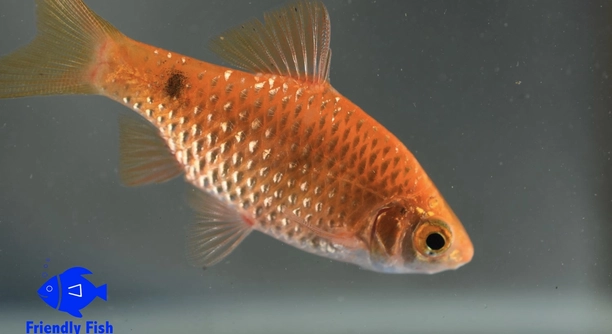
Rosy barbs are lively freshwater fish often found flicking their bodies against aquarium walls. This behavior can catch the attention of many aquarists, making them wonder about the reasons behind such movements. Understanding this can improve care and tank conditions for these colorful fish.
The flicking against tank walls in rosy barbs is typically a response to stress, irritation, or attempts to remove parasites. It may also indicate discomfort from poor water quality or insufficient tank environment, prompting the fish to exhibit this behavior as a coping mechanism.
Recognizing these signs is important to maintain a healthy and comfortable habitat for rosy barbs. The article will explore common causes and solutions for this flicking behavior.
Common Causes of Flicking Behavior
Rosy barbs flick against tank walls for several reasons, often related to their environment or health. One major cause is irritation from parasites like ich or flukes. These tiny pests cling to the fish’s body, causing discomfort and prompting the flicking motion as the fish tries to dislodge them. Poor water quality can also trigger this behavior. High ammonia, nitrite, or nitrate levels irritate the fish’s skin and gills, making them restless. Another factor is stress from overcrowding or aggressive tank mates. When their space is limited, or when they feel threatened, rosy barbs may flick to express discomfort. Additionally, sudden changes in water temperature or pH can upset their balance, causing this reaction. Proper tank maintenance and monitoring water parameters help reduce flicking. Lastly, flicking can sometimes be a sign of spawning behavior or excitement, but this is less common in confined tanks. Observing other signs can help clarify the reason.
Maintaining stable, clean water and monitoring tank dynamics prevents flicking caused by environmental stressors.
A balanced aquarium setup with proper filtration, regular water testing, and peaceful tank mates ensures rosy barbs feel secure. Adding hiding spots and plants reduces stress and minimizes flicking behavior. If parasites are suspected, treatment should begin immediately. Identifying flicking causes early allows timely action to improve fish health and comfort.
How to Improve Tank Conditions
Improving tank conditions focuses mainly on water quality and fish comfort. Clean water reduces irritation and supports healthy fish behavior.
Start by testing the tank water regularly for ammonia, nitrites, and nitrates. These should always be near zero for ammonia and nitrites, with nitrates kept below 20 ppm. Partial water changes of 20-30% weekly help maintain these levels. Ensure your filtration system is appropriate for the tank size and cleaned regularly. Add live plants or decorations to provide hiding places and reduce stress. Avoid overcrowding by keeping the correct number of fish for your tank. Introduce peaceful species that coexist well with rosy barbs. Monitor temperature and pH levels closely, keeping them stable within the species’ preferred ranges. Finally, observe your fish daily for any signs of illness or unusual behavior. Prompt action to adjust the tank environment can prevent flicking and promote overall wellbeing.
Identifying Parasite Issues Early
Parasites cause discomfort that makes rosy barbs flick against tank walls. Early detection is key to effective treatment.
Watch for visible signs like small white spots, redness, or frayed fins. Fish may also scratch against surfaces more frequently. Parasites weaken fish, making them vulnerable to other illnesses. Testing water and quarantining new fish helps prevent parasite outbreaks. Once identified, use appropriate treatments like anti-parasitic medications. Follow dosage instructions carefully to avoid harming fish or beneficial bacteria. Maintaining good water quality and hygiene limits parasite growth. Regular observation keeps your rosy barbs healthier and less prone to flicking from irritation.
Timely action can stop parasite problems before they worsen and affect the whole tank.
Stress and Aggression in Community Tanks
Stress from overcrowding or aggressive tank mates causes rosy barbs to flick as a defense or escape behavior. Proper tank management reduces this.
Rosy barbs are active and social but need enough space to swim freely. Overcrowded tanks increase competition for food and territory, raising stress levels. Aggressive species may bully or nip at rosy barbs, leading to flicking and other stress signs. Providing a balanced community with compatible fish and enough room lowers aggression. Hiding spots and plants help shy fish retreat from threats. Keeping water parameters stable also reduces stress. When introducing new fish, monitor interactions closely to prevent bullying. Removing or relocating aggressive fish may be necessary to maintain peace. Addressing these factors helps create a calm, flick-free environment for rosy barbs.
Water Quality and Its Impact
Poor water quality is a major cause of flicking behavior in rosy barbs. Ammonia, nitrites, and nitrates irritate their skin and gills, leading to discomfort. Regular testing is essential to catch problems early and maintain a healthy environment.
Keeping the tank clean through frequent water changes and proper filtration supports stable water parameters. This reduces irritation and stress, helping to minimize flicking. Without good water quality, rosy barbs become vulnerable to illness and behavioral issues.
Proper Tank Setup
A well-planned tank setup reduces flicking by providing a comfortable habitat. Plants, hiding spots, and enough swimming space keep rosy barbs relaxed and less prone to stress-related flicking.
Temperature Stability
Sudden temperature changes stress rosy barbs and may trigger flicking. Maintaining a stable temperature between 72°F and 78°F helps them stay healthy and comfortable.
Monitoring Behavior Changes
Pay attention to sudden or unusual flicking as it may indicate health or environmental problems. Early detection allows for timely intervention and care.
FAQ
Why do rosy barbs flick against tank walls?
Flicking is often a sign of irritation or stress. Parasites like ich can cause itching, making them rub or flick against surfaces. Poor water quality or aggressive tank mates can also lead to this behavior. It’s their way of trying to relieve discomfort or avoid stress.
Is flicking always a sign of illness?
Not always. Sometimes flicking can occur during spawning or play, but frequent or intense flicking usually points to a problem. If it continues for days or is paired with other symptoms like clamped fins or lethargy, it likely indicates illness or poor conditions.
How can I tell if my rosy barbs have parasites?
Look for small white spots, red patches, or ragged fins. Fish might scratch against decorations or the tank walls more often. You may notice a change in appetite or activity. Early parasite detection is important to treat effectively and prevent spreading.
What water parameters are best for rosy barbs?
Rosy barbs thrive in temperatures between 72°F and 78°F. pH should be between 6.5 and 7.5. Ammonia and nitrites must always be zero, with nitrates kept under 20 ppm. Stable water conditions reduce stress and flicking.
How often should I change the water?
Weekly water changes of 20-30% are recommended. This helps keep harmful chemicals low and maintains stable conditions. Avoid large water changes suddenly, as they can stress the fish.
Can flicking be caused by tank mates?
Yes. Aggressive or territorial fish can harass rosy barbs, causing stress flicking. Overcrowding also raises tension. Choose peaceful tank mates and provide enough space to minimize aggression.
What should I do if I suspect parasites?
Quarantine affected fish if possible. Treat the tank with an appropriate anti-parasitic medication following the instructions carefully. Maintain good water quality during treatment. Remove carbon from filters while medicating to avoid removing medicine.
How can I reduce stress for rosy barbs?
Provide plenty of hiding spots with plants or decorations. Avoid overcrowding and aggressive fish. Keep a consistent feeding schedule and stable water parameters. A calm environment helps prevent flicking caused by stress.
Is flicking behavior harmful to rosy barbs?
Frequent flicking can cause skin damage or stress. If untreated, it can lead to infections or weaken their immune system. Addressing the root causes early protects their health.
Can diet affect flicking behavior?
A balanced diet supports overall health but is unlikely to directly cause flicking. Poor nutrition weakens fish and makes them more vulnerable to parasites or stress. Feeding quality flakes, pellets, and occasional live foods helps keep rosy barbs strong.
How long does it take for flicking behavior to stop once problems are fixed?
Improvement can be seen within a few days after fixing water quality or treating parasites. However, healing takes time, so flicking might continue for a week or more. Patience and consistent care are essential for recovery.
Should I use a tank cover to prevent flicking injuries?
A tank cover can prevent fish from injuring themselves if they flick hard against the glass. It also reduces stress by limiting outside disturbances. Make sure the cover allows for proper ventilation.
Can flicking indicate breeding behavior?
Occasionally, flicking may be part of courtship or spawning, especially if you notice chasing or other mating behaviors. This type of flicking is usually less frequent and not harmful.
What signs should prompt a visit to a vet or expert?
If flicking persists despite good water quality and no obvious cause, or if you see other symptoms like ulcers, swollen bellies, or loss of appetite, seek expert advice. Early diagnosis can prevent serious illness.
How important is tank size to flicking behavior?
Adequate space reduces stress and competition. Small tanks can cause restless behavior and flicking. Rosy barbs need at least 20 gallons for a small group, with more space preferred for healthy activity levels.
Can changing tank decorations affect flicking?
Removing hiding spots or rearranging the tank suddenly can stress fish, triggering flicking. Make changes gradually and provide plenty of cover to help them adjust.
Is flicking more common in new tanks?
Yes, new tanks often have unstable water parameters and lack established beneficial bacteria. This can cause irritation and flicking. Cycling the tank fully before adding fish reduces this risk.
What is the best way to introduce new rosy barbs?
Quarantine new fish for 2 weeks to prevent introducing parasites. Add them slowly to a stable tank with compatible mates. Monitor behavior closely to catch any flicking or stress signs early.
Can flicking be a sign of boredom?
Fish sometimes show restless behavior if under-stimulated. Adding plants, decorations, or a larger group of rosy barbs can provide stimulation and reduce flicking caused by boredom.
How do I maintain good overall fish health to prevent flicking?
Regular water tests, consistent feeding, avoiding overcrowding, and early parasite treatment keep fish healthy. Healthy fish are less likely to flick out of discomfort.
Are there natural remedies for flicking caused by parasites?
Some aquarists use salt baths or herbal treatments as mild parasite control, but these should be used carefully. Consult detailed guides or experts before trying natural remedies, as improper use can harm fish.
This FAQ covers the most common concerns about rosy barbs flicking against tank walls. Proper care and attention help keep these lively fish comfortable and healthy.
Final thoughts on why rosy barbs flick against tank walls focus on understanding the different causes and responding properly. Flicking behavior is usually a sign that something in the tank is not ideal for the fish. It could be irritation caused by parasites, stress from poor water quality, or problems with tank mates. Paying close attention to these factors helps to create a healthy environment where rosy barbs feel safe and comfortable. Proper tank care reduces flicking and promotes overall well-being.
Maintaining good water quality is one of the most important steps. Regular testing of water parameters like ammonia, nitrites, nitrates, pH, and temperature is necessary. Keeping these levels within safe ranges prevents irritation that can cause flicking. Weekly water changes and proper filtration support stable conditions. Also, avoid overcrowding and choose compatible fish to reduce stress. Providing plants and hiding spots gives the rosy barbs a place to feel secure. When all these factors are managed well, flicking behavior tends to decrease significantly.
If flicking continues, it’s important to check for parasites and illnesses. Early detection and treatment can stop problems before they worsen. Using the right medications and following instructions carefully protects both fish and tank health. Sometimes, flicking is part of normal activity, but frequent or strong flicking is a sign that something needs attention. By keeping a close eye on behavior and tank conditions, you can make sure your rosy barbs stay healthy and happy, creating a peaceful aquarium environment.

Hello,
If you enjoy the content that we create, please consider saying a "Thank You!" by leaving a tip.
Every little bit helps us continue crafting quality advice that supports the health, happiness, and well-being of pets around the world, for pets of all shapes, sizes, and species.
We really appreciate the kindness and support that you show us!