
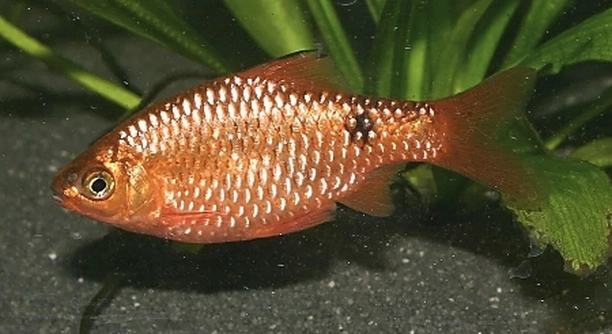
Rosy Barbs are popular freshwater fish known for their vibrant colors and lively behavior. Many aquarists notice these fish flare their fins during various situations. This common display often catches the attention of those caring for them.
Rosy Barbs flare their fins primarily as a form of communication. This behavior signals dominance, territorial claims, or readiness to mate. Flaring fins can also serve as a defense mechanism to appear larger and deter potential threats.
Understanding why Rosy Barbs flare their fins helps create a better environment for their care. Recognizing this behavior provides insight into their social interactions and well-being.
Reasons Behind Fin Flaring
Rosy Barbs flare their fins for several important reasons related to their behavior and environment. One key reason is establishing social hierarchy. When multiple fish share the same tank, fin flaring helps determine which fish is dominant. It sends a clear message to others to respect personal space or status. Another reason is territorial defense. If a fish feels its space is threatened, it will flare its fins to look bigger and more intimidating. Additionally, during mating periods, fin flaring plays a role in attracting a partner and showing readiness to reproduce. This display is a natural way to communicate without physical aggression. Understanding these reasons can help fish keepers recognize normal behavior and avoid unnecessary stress for their fish.
Flaring is a natural and important communication tool for Rosy Barbs. It helps keep social order and signals different moods.
Noticing fin flaring can improve how you care for Rosy Barbs. By recognizing when they are stressed, dominant, or ready to mate, you can adjust tank conditions or behavior management to support their needs. Providing enough space and hiding spots can reduce stress and aggression. Observing this behavior also helps predict changes in fish dynamics, making it easier to maintain harmony in the tank. Overall, understanding fin flaring leads to healthier, happier fish.
How to Respond to Fin Flaring
Fin flaring is usually harmless, but it may require attention depending on the context. If the behavior happens frequently and aggressively, it might indicate overcrowding or stress. In such cases, improving tank conditions is necessary. Increasing the tank size or adding more plants can create hiding spaces and reduce conflict. Ensuring water quality is optimal also supports fish health and reduces irritation. Sometimes, fin flaring occurs during feeding or interactions, which is normal and temporary. Monitoring your fish regularly helps identify any concerning patterns early.
To keep Rosy Barbs comfortable, maintain clean water and enough space in the tank.
If fin flaring becomes excessive, it is best to take action promptly. Overcrowding often leads to increased aggression, so separating aggressive fish may be needed. Also, avoid sudden changes in environment or lighting, as these can trigger stress. Providing a calm, stable habitat encourages peaceful behavior. Sometimes, introducing compatible species helps distribute attention and reduce tension. Understanding your Rosy Barbs’ signals helps create a balanced aquarium where they can thrive. With proper care and observation, fin flaring remains a natural, manageable part of their behavior rather than a cause for concern.
Environmental Triggers for Fin Flaring
Changes in the tank environment often cause Rosy Barbs to flare their fins. Sudden movements, bright lights, or new additions to the tank can startle them. These triggers make the fish react defensively or alertly, causing fin flaring.
Water quality impacts their behavior significantly. Poor water conditions such as high ammonia or nitrite levels stress the fish. Stress can increase aggressive displays like fin flaring. Keeping water clean and stable helps reduce these reactions. Regular testing and maintenance are essential to prevent unnecessary stress for Rosy Barbs.
Tank mates also influence fin flaring. Aggressive or territorial fish nearby can provoke Rosy Barbs to flare their fins as a warning or defense. On the other hand, peaceful companions reduce stress, lowering the frequency of this behavior. Choosing compatible species creates a more balanced and calm aquarium environment for all fish.
Fin Flaring and Rosy Barbs’ Health
Frequent fin flaring may sometimes indicate health issues. If the fins appear damaged, torn, or ragged after flaring, it could signal injury or infection. Close observation is needed to differentiate normal behavior from health problems.
Stress from illness or poor conditions often increases fin flaring as the fish feels threatened or uncomfortable. Signs such as lethargy, loss of appetite, or unusual swimming patterns should be checked. Early treatment and improving the tank environment help prevent worsening health.
Maintaining a balanced diet and clean water supports the immune system and reduces stress. This lowers the chances of fin damage and excessive flaring caused by health issues. Healthy Rosy Barbs are less likely to flare their fins aggressively without reason. Monitoring behavior along with water parameters is key for their overall well-being.
Social Behavior and Fin Flaring
Rosy Barbs use fin flaring to communicate with each other. This behavior helps them establish dominance or submission within the group. It prevents fights by setting clear social boundaries.
Flaring can also be a way to show excitement or alertness. It often occurs during feeding times or when exploring the tank.
Fin Flaring During Mating
During mating, fin flaring becomes more frequent and pronounced. Males flare their fins to attract females and to compete with other males. This display signals fitness and readiness to breed. Females may respond by showing interest or moving closer. The behavior is part of natural courtship rituals that help ensure successful reproduction.
Preventing Excessive Aggression
Keeping enough space and hiding spots in the tank reduces aggressive fin flaring. This setup lowers stress and competition among Rosy Barbs.
Observing Fin Flaring Safely
Watch fin flaring without disturbing the fish. Avoid sudden movements or tapping the glass, as this can increase stress.
Why do Rosy Barbs flare their fins at other fish?
Rosy Barbs flare their fins at other fish mainly to show dominance or warn rivals to keep their distance. This display helps maintain social order within the tank and reduces the chance of physical fights. Flaring is a non-violent way to communicate strength or claim territory. It can also serve as a signal to show readiness for mating or to protect their space from perceived threats. This behavior is natural and usually does not harm the fish if the environment is healthy and spacious enough.
Is fin flaring a sign of stress in Rosy Barbs?
Fin flaring can be a sign of stress but not always. When the fish flare their fins excessively or aggressively, it may indicate overcrowding, poor water conditions, or the presence of aggressive tank mates. Stress makes Rosy Barbs feel threatened, leading them to display defensive behavior like fin flaring. However, occasional flaring during feeding or social interactions is normal and not necessarily related to stress. Monitoring water quality and tank conditions helps keep stress levels low.
Can fin flaring damage Rosy Barbs’ fins?
Flaring itself does not usually damage fins. However, if the fish engage in aggressive behavior or fights while flaring, fins may get torn or injured. Poor water quality or fin diseases can also make fins fragile, increasing the chance of damage during flaring displays. It’s important to keep the tank clean and watch for signs of fin rot or injury. Preventing overcrowding and aggression reduces the risk of fin damage associated with flaring.
How often should I expect Rosy Barbs to flare their fins?
Rosy Barbs flare their fins several times a day, especially during social interactions, feeding, or changes in the tank environment. The frequency varies depending on the tank size, number of fish, and stress levels. In a well-maintained, spacious aquarium with peaceful tank mates, fin flaring is usually occasional and brief. Excessive or constant flaring could signal underlying problems like overcrowding or poor water quality that need addressing.
Does fin flaring mean Rosy Barbs are about to fight?
Fin flaring is often a warning signal meant to prevent fights, not start them. It shows other fish that a Rosy Barb is ready to defend its space or status. Most times, flaring helps avoid physical confrontations by establishing clear boundaries. However, if aggression continues after flaring, fights may occur. Ensuring enough space, hiding places, and compatible tank mates reduces the chances of fights following fin flaring.
Can fin flaring be part of mating behavior?
Yes, fin flaring plays a key role in mating behavior. Male Rosy Barbs flare their fins to attract females and to compete with other males. This display highlights their strength and health, which are important factors for successful breeding. Females respond to these signals by choosing mates that appear strong and fit. Fin flaring during mating is usually more intense and frequent than in other situations.
How can I reduce excessive fin flaring in my tank?
To reduce excessive fin flaring, first check if the tank is overcrowded or if aggressive fish are causing stress. Increasing tank size or separating aggressive individuals can help. Adding plants and hiding spots provides refuge and lowers tension. Maintaining good water quality is essential, as poor conditions increase stress and aggressive displays. Finally, choosing compatible tank mates that do not provoke fin flaring helps keep the environment calm.
Is fin flaring harmful to Rosy Barbs in any way?
Fin flaring itself is not harmful; it is a natural form of communication. However, if it leads to frequent aggression or fighting, it can cause injury or stress. Chronic stress from constant flaring can weaken the immune system and reduce the fish’s overall health. Providing a proper environment and managing social dynamics in the tank minimize any negative effects linked to fin flaring behavior.
What should I do if my Rosy Barbs flare their fins constantly?
Constant fin flaring usually indicates stress or discomfort. Start by testing water parameters and improving water quality if needed. Make sure the tank is not overcrowded and that all fish have enough space. Look for aggressive tank mates and consider separating them if necessary. Adding plants and decorations can reduce tension by offering hiding places. Observe the fish closely to identify possible causes and adjust the environment accordingly.
Are there specific tank conditions that trigger fin flaring?
Yes, sudden changes in lighting, water temperature, or the introduction of new fish can trigger fin flaring. Bright or flickering lights may startle Rosy Barbs, causing defensive behavior. Poor water conditions, such as high ammonia or nitrate levels, stress the fish and increase flaring. Proper acclimation of new fish and maintaining stable tank conditions help minimize these triggers and keep fin flaring at normal levels.
Fin flaring is a natural and important behavior for Rosy Barbs. It helps them communicate with each other without physical fights. This behavior shows dominance, defends territory, and plays a role in mating. By flaring their fins, Rosy Barbs send clear signals to other fish about their mood and intentions. Recognizing this behavior as a form of communication is key to understanding these fish better and providing a suitable environment for them.
Maintaining a healthy tank environment helps control how often Rosy Barbs flare their fins. Stress, overcrowding, and poor water quality can cause excessive flaring and even lead to aggression or injury. Ensuring enough space, clean water, and compatible tank mates reduces stress and creates a calmer atmosphere. Adding plants and hiding places also helps the fish feel secure and lowers tension. Regular observation of fin flaring patterns gives valuable clues about the fish’s well-being and tank conditions.
Overall, fin flaring is not something to worry about unless it becomes excessive or aggressive. When managed well, it remains a normal and harmless part of Rosy Barbs’ behavior. Paying attention to their signals and keeping the tank environment stable ensures these fish stay healthy and comfortable. Understanding why Rosy Barbs flare their fins helps fish keepers meet their needs more effectively and enjoy watching their natural behavior.

Hello,
If you enjoy the content that we create, please consider saying a "Thank You!" by leaving a tip.
Every little bit helps us continue crafting quality advice that supports the health, happiness, and well-being of pets around the world, for pets of all shapes, sizes, and species.
We really appreciate the kindness and support that you show us!