
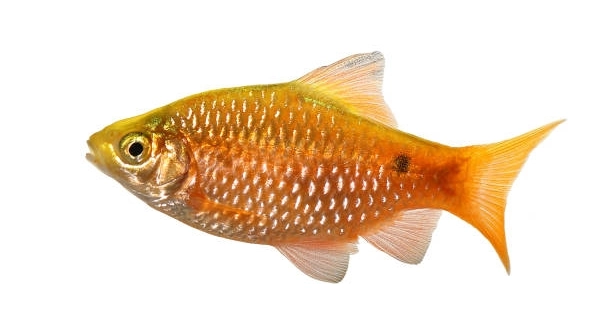
Rosy Barbs are a popular freshwater fish admired for their bright colors and lively behavior. They often swim near the bottom of the tank, which can make fishkeepers curious about their habits. Understanding why they stay low helps in creating a better environment for them.
Rosy Barbs tend to drift near the bottom primarily due to their natural feeding behavior and preference for calmer water zones. This positioning allows them to forage for food particles and avoid strong currents, promoting comfort and energy conservation.
Learning about their bottom-dwelling tendencies can improve tank setup and care. This knowledge supports healthier, happier Rosy Barbs in any home aquarium.
Natural Behavior and Habitat Preferences
Rosy Barbs naturally prefer the lower areas of their environment because these zones offer more protection and food sources. In the wild, they often live in slow-moving waters where the bottom is rich with insects, plants, and other small organisms. Staying close to the bottom helps them find food easily while avoiding strong currents and predators. This behavior continues in aquariums where they feel safer near the tank floor. Additionally, the lower areas tend to be less bright and stressful for them. When the tank has plenty of hiding spots like plants or decorations, Rosy Barbs feel more comfortable staying near the bottom. It’s important to recreate this environment in home tanks by adding gravel, plants, and gentle water flow. Doing this supports their natural instincts and helps them feel secure, which reduces stress and keeps them healthy.
Their bottom-dwelling habit is closely tied to how they feed and seek safety.
Creating an environment with gentle water movement and plenty of cover encourages Rosy Barbs to swim naturally, reflecting their wild behaviors and helping them thrive.
Feeding Habits and Tank Setup
Feeding plays a big role in why Rosy Barbs spend time near the bottom. They are omnivores that often search for food particles sinking through the water. In an aquarium, food usually falls to the bottom, so they follow it there to eat. If the tank is set up without enough hiding spaces or with strong water currents, they might also stay low to avoid discomfort or stress. To support their natural feeding habits, it’s helpful to offer sinking pellets or flakes that settle at the bottom. Regular feeding routines also encourage them to explore the lower tank areas more actively. A balanced diet with live or frozen foods can keep them interested and healthy, improving their overall behavior.
Ensuring your tank mimics their natural conditions helps Rosy Barbs feel safe and encourages natural swimming patterns.
Keeping the tank environment calm with gentle flow and adding plants or decorations near the bottom gives them places to rest and hide. This setup allows Rosy Barbs to behave naturally and reduces signs of stress or hiding. Watching them explore these spaces can be rewarding, as it shows they are comfortable and thriving. Feeding sinking foods that match their diet helps maintain their health and keeps them active in the lower regions of the tank. Together, these factors create a balanced habitat that supports their bottom-drifting behavior, making it easier for you to care for them and enjoy their presence.
Water Conditions and Their Impact
Water quality greatly influences Rosy Barbs’ position in the tank. Poor conditions often cause them to stay near the bottom where oxygen levels are higher. Stable water parameters keep them active throughout the tank.
Maintaining clean water with proper filtration is essential for Rosy Barbs. They prefer slightly alkaline water with a temperature between 64°F and 72°F (18°C–22°C). If the water is too warm or dirty, they may become sluggish and rest near the bottom more often. Regular water changes and monitoring pH, ammonia, nitrite, and nitrate levels help prevent stress and disease. Proper aeration also keeps oxygen evenly distributed, encouraging Rosy Barbs to swim freely. Without good water conditions, their health can decline quickly, leading to unusual behavior such as excessive bottom drifting.
In addition, water hardness affects their comfort and activity levels. Soft to moderately hard water is best, as extremes can make them uncomfortable. Consistency in water parameters creates a stable environment where Rosy Barbs thrive and maintain natural movement throughout the tank.
Social Behavior and Tank Mates
Rosy Barbs are schooling fish that feel safer and more confident in groups of five or more. When kept alone or with incompatible tank mates, they may hide near the bottom to avoid stress or aggression.
Keeping Rosy Barbs with peaceful, similarly sized fish helps reduce competition and bullying. Aggressive or much larger fish can intimidate them, causing them to stay low and avoid interaction. Group size also matters; a proper school encourages natural swimming and social behaviors. Providing enough space in the tank for everyone reduces stress and keeps the Rosy Barbs active. Social balance improves their overall well-being, making them less likely to hide or linger near the bottom. Regular observation can help identify if tank mates are causing stress and allow timely adjustments to maintain harmony.
Lighting and Its Effects
Rosy Barbs prefer moderate to low lighting levels in their tank. Bright lights can make them feel exposed, pushing them closer to the bottom for shelter.
Adjusting the lighting to softer, natural tones helps reduce their stress. Using floating plants or shaded areas creates comfortable spots where they can rest safely without feeling threatened.
Health Issues and Behavior Changes
Illness or parasites often cause Rosy Barbs to stay near the bottom. They become lethargic and avoid swimming actively when unwell. Monitoring their health regularly can catch problems early before they worsen.
Tank Size and Space
A cramped tank forces Rosy Barbs to stay near the bottom due to limited swimming space. Providing enough room allows them to explore the entire tank freely and display natural behaviors.
FAQ
Why do Rosy Barbs prefer staying near the bottom?
Rosy Barbs naturally search for food that sinks to the bottom, like small insects or plant matter. They also feel safer near the tank floor because it offers shelter and less exposure to light or strong water currents. This behavior helps them conserve energy and avoid stress.
Can water quality affect their position in the tank?
Yes, poor water quality can make Rosy Barbs stay near the bottom more often. If oxygen levels drop or toxins build up, they may become sluggish and rest at the bottom where conditions feel better. Keeping the tank clean with regular water changes supports their health and encourages active swimming.
How does tank lighting influence their behavior?
Bright lights can cause Rosy Barbs to feel exposed and stressed, so they often move to shaded or lower areas of the tank. Using dimmer lighting or floating plants to create shaded spots helps them feel secure and comfortable.
Do Rosy Barbs need to be kept in groups?
Absolutely. Rosy Barbs are schooling fish and feel more confident in groups of five or more. When alone, they can become shy and hide near the bottom to avoid stress. Proper group size promotes natural social behavior and more active swimming.
What tank size is best for Rosy Barbs?
A tank of at least 20 gallons is recommended for a small group of Rosy Barbs. A larger tank provides enough space for them to swim freely and reduces stress caused by overcrowding, helping them display natural behavior and avoid lingering near the bottom out of discomfort.
Can tank mates cause Rosy Barbs to stay near the bottom?
Yes, aggressive or much larger fish can intimidate Rosy Barbs, pushing them to hide or stay low in the tank. Choosing peaceful, similar-sized tank mates ensures a calm environment where Rosy Barbs feel safe and can swim throughout the tank.
What role does diet play in their bottom-drifting?
Rosy Barbs feed on foods that sink, so they naturally swim near the bottom to forage. Providing sinking pellets or flakes and supplementing with live or frozen foods that settle helps maintain their health and encourages natural feeding behavior.
How can I tell if my Rosy Barbs are sick?
If Rosy Barbs are resting at the bottom more than usual, appear lethargic, lose appetite, or show physical signs like faded color or damaged fins, they may be sick. Promptly checking water quality and consulting care guides can help address health issues early.
Does water temperature affect their swimming habits?
Yes, Rosy Barbs prefer cooler temperatures between 64°F and 72°F (18°C–22°C). If the water is too warm, they may become less active and stay near the bottom. Maintaining stable, appropriate temperatures supports their energy and natural swimming patterns.
What is the best way to encourage Rosy Barbs to swim throughout the tank?
Providing a well-planted tank with gentle water flow, proper lighting, and a peaceful group of tank mates encourages Rosy Barbs to explore all areas. Feeding a balanced diet and maintaining good water quality also keeps them healthy and active throughout the tank.
Rosy Barbs drifting near the bottom of the tank is a natural behavior influenced by several factors. Their instincts lead them to search for food that settles lower in the water and to find shelter from bright lights, strong currents, or potential threats. This tendency reflects their wild habits, where staying near the bottom provides safety and access to nourishment. Understanding this behavior helps fishkeepers provide a better environment for their Rosy Barbs. By creating a tank setup that meets their needs, these fish are more likely to feel comfortable and display healthy, active behavior.
Water conditions play a significant role in how Rosy Barbs behave. Clean water with proper temperature, pH balance, and oxygen levels encourages them to swim freely and explore the entire tank. Poor water quality or sudden changes can stress them out, causing them to stay near the bottom more often. Regular water changes and monitoring the tank environment are important for their well-being. In addition, the right tank size and peaceful tank mates make a big difference. Overcrowding or aggressive fish may push Rosy Barbs to hide and remain low in the tank. A calm, spacious setup with plenty of plants and decorations helps them feel safe and comfortable.
Feeding habits also influence their position in the tank. Rosy Barbs naturally feed on sinking food, so they spend a good amount of time near the bottom foraging. Providing sinking pellets or flakes along with live or frozen foods supports their natural diet and keeps them healthy. Lighting should be adjusted to avoid too much brightness, which can stress them and encourage hiding behavior. In summary, understanding the reasons why Rosy Barbs drift near the bottom allows you to create a balanced, supportive environment that promotes their health and happiness. Meeting their natural needs with proper care results in lively, confident fish that enrich your aquarium.

Hello,
If you enjoy the content that we create, please consider saying a "Thank You!" by leaving a tip.
Every little bit helps us continue crafting quality advice that supports the health, happiness, and well-being of pets around the world, for pets of all shapes, sizes, and species.
We really appreciate the kindness and support that you show us!