
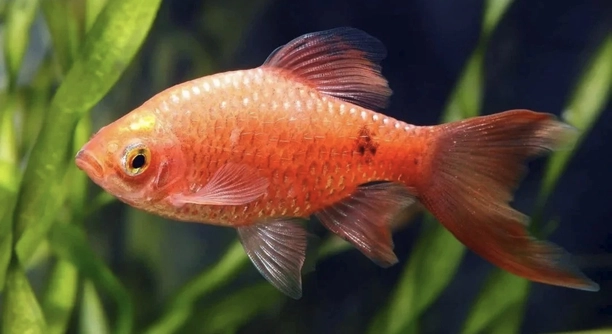
Have you ever noticed your rosy barbs floating calmly in their tank instead of swimming with energy like they usually do? It can be surprising to see such active fish become unusually still.
Rosy barbs often drift rather than swim due to stress, illness, poor water quality, or a lack of stimulation in their environment. These changes in behavior typically indicate that something in their surroundings is affecting their health or comfort.
Learning what causes this shift can help you improve your fish’s well-being and keep their tank environment safe, calm, and healthy.
Common Reasons Why Rosy Barbs Drift
Rosy barbs are usually active swimmers, so drifting can be a sign that something is off in their environment. Poor water quality is one of the main causes. When ammonia, nitrite, or nitrate levels are too high, your fish may feel unwell and conserve energy by staying still. Low oxygen levels can also lead to drifting, as the fish may struggle to breathe. In other cases, drifting is linked to stress from sudden changes, such as a new tank setup, aggressive tank mates, or water temperature fluctuations. Illness is another possibility, especially if drifting is paired with other symptoms like faded color, clamped fins, or loss of appetite.
Rosy barbs are sensitive to changes, and even minor disruptions can cause them to react. Watching for early signs helps prevent serious issues.
Always monitor your tank’s conditions with a test kit. Keep water clean, oxygen levels steady, and the temperature consistent to support their health.
How to Help Your Rosy Barb
Start by testing the water. Poor water quality is often the root of sudden behavior changes and needs to be fixed immediately.
If the water parameters are off, begin with a partial water change. Remove about 25% of the tank water and replace it with clean, dechlorinated water of the same temperature. Check the filter to ensure it’s working efficiently and isn’t clogged. Improving aeration by adding an air stone or adjusting the filter output can increase oxygen levels. Also, make sure the tank isn’t overcrowded, as this can raise stress levels and reduce water quality. If your rosy barb has tank mates, observe their behavior. Aggressive fish may be stressing the barb, causing it to drift or hide. Remove aggressive species if needed. If drifting continues despite good conditions, consider a health issue. Look for signs of fin rot, bloating, or parasites. In such cases, quarantine the fish and consult a vet or local aquarium expert for treatment options.
Behavior Changes to Watch For
Lethargy, drifting, and hiding are early signs something may be wrong. If your rosy barb stops interacting or starts avoiding food, it’s important to act quickly. Changes in swimming patterns often reflect stress, poor conditions, or illness.
Pay attention to how long the behavior lasts. If your rosy barb drifts for a few hours and then returns to normal, it may have been reacting to a temporary stressor. However, if drifting continues for more than a day and is paired with other signs like faded colors or erratic swimming, it likely points to a deeper issue. Watch for fin clamping, unusual body movements, or frequent surfacing, which could indicate poor oxygen or an infection. Sudden aggression or isolation from the group are also worth noting. These signs help narrow down what’s wrong and allow you to respond before the issue becomes more serious.
Once behavior changes become noticeable, it’s best to isolate the fish in a separate tank if possible. This can reduce stress and prevent any illness from spreading. In the isolation tank, observe its movement, appetite, and breathing. Continue testing the water in both tanks. Offer high-quality food and avoid overfeeding. Use this time to make necessary improvements in the main tank environment. Keeping notes can help track patterns.
Preventing Future Issues
Consistent tank maintenance is key. Stick to a routine that includes water testing, partial water changes, and filter checks. Avoid overfeeding, as leftover food worsens water quality. A stable, clean setup keeps rosy barbs active and less prone to stress.
Use a thermometer to monitor water temperature and adjust as needed to stay within the 72–78°F range. A quiet environment with proper lighting also helps them stay calm. Include plants and decorations to offer hiding spaces and reduce stress, especially in community tanks. Be cautious when adding new fish—quarantine them first to avoid introducing illness. Keep an eye on group dynamics, as rosy barbs do best in small schools. Regular observation helps catch any early signs of stress or imbalance. Maintaining a peaceful, stable environment will support their natural activity and reduce drifting episodes. Small adjustments over time can make a big difference in their overall health and comfort.
Signs It’s Time to Seek Help
If your rosy barb continues drifting for more than a day, even after water conditions are corrected, it may need medical attention. Signs like bloating, white spots, or frayed fins often point to infection or parasites.
Lack of appetite, labored breathing, or sudden isolation can signal something more serious. It’s best to consult an aquarium expert or vet if these symptoms appear.
How Tankmates Can Affect Behavior
Rosy barbs thrive in peaceful schools and can become stressed if housed with aggressive or overly active species. Tankmates that nip or chase can cause rosy barbs to drift or hide in response. They need a calm space to feel safe. Group size also matters. Keeping at least five rosy barbs together supports natural behaviors and reduces stress. When housed alone or in small groups, they can become anxious and less active. Watch tank interactions closely. If one or more fish consistently cause tension, rearrange the tank setup or consider separating them to prevent long-term stress.
Importance of Tank Setup
A well-planned tank reduces stress and helps maintain healthy behavior. Use live plants, soft lighting, and enough swimming space. Avoid loud filters or sudden changes.
FAQ
Why is my rosy barb staying still at the bottom of the tank?
If your rosy barb is resting at the bottom, it may be reacting to stress, poor water quality, or illness. Check the temperature, ammonia, nitrite, and nitrate levels first. Low oxygen can also cause this behavior. If the fish isn’t eating or has other signs like clamped fins, it may be sick. You should isolate it and observe closely. Use a water test kit, clean the tank if needed, and keep the environment calm. Make sure no aggressive tankmates are bothering the fish. If things don’t improve in 24–48 hours, get professional advice.
Can rosy barbs get depressed or stressed?
Yes, rosy barbs can become stressed from changes in their environment. Things like poor water conditions, being alone, or living with aggressive fish can affect their mood and behavior. They may become inactive, eat less, or start hiding. A small group of rosy barbs (at least five) helps them feel more secure. A well-maintained, peaceful tank with hiding spots and stable conditions helps reduce stress. Avoid sudden changes in water temperature, loud noises near the tank, or overcrowding. Consistent care and monitoring help keep them happy and active.
How can I tell if the drifting is from illness or environment?
If water quality is good and there are no aggressive tankmates, illness is more likely. Look for signs like color loss, bloating, labored breathing, or strange swimming. These symptoms usually mean the fish is sick. If the fish is just drifting calmly but eats well and looks normal, it may just be adjusting or feeling low energy. Environmental causes tend to affect more than one fish, while illness may show in just one. Watch closely over a full day, and if symptoms stay the same or worsen, it’s best to isolate the fish and seek treatment.
What temperature should the tank be for rosy barbs?
Rosy barbs do best in water between 72°F and 78°F. Sudden shifts outside this range can lead to stress or illness. Use a reliable aquarium heater and thermometer to maintain a steady temperature. Keep the tank away from windows, heaters, or air conditioners that may cause fluctuations. A consistent temperature helps keep their immune systems strong and behavior normal. Regular checks make it easier to catch any problems early.
Can drifting mean the fish is just resting or sleeping?
Rosy barbs do rest, especially at night or during low activity periods. If your fish is drifting gently but has good color, eats normally, and swims actively at other times, it’s likely just resting. However, if the fish seems sluggish all day or avoids interaction, it’s worth checking the tank conditions. Make sure oxygen levels are high enough and there’s no sign of stress or illness.
What if only one rosy barb is drifting, but the others are fine?
If only one fish is affected, start by checking if it’s being picked on or bullied. Look for nipped fins or signs of isolation. It could also be the first to show signs of illness. Isolate it if needed to reduce stress and monitor symptoms. Offer high-quality food and keep the water clean. If symptoms don’t change, you may need treatment for internal parasites or bacterial infection.
Do rosy barbs need to be in groups to stay active?
Yes, rosy barbs are social and need company to stay healthy. A group of five or more helps reduce stress and encourages natural swimming behavior. Alone or in pairs, they can become anxious, inactive, or aggressive. A proper group setup improves their behavior, helps balance the tank, and supports overall health.
How often should I clean the tank to keep rosy barbs healthy?
Perform partial water changes weekly—remove about 25% of the water and replace it with clean, dechlorinated water. Clean the filter monthly, but avoid washing it with tap water to preserve helpful bacteria. Remove uneaten food and waste often. A consistent routine helps keep water stable and safe for your fish.
Is drifting dangerous for rosy barbs?
Occasional drifting isn’t dangerous if the fish recovers quickly and shows no other symptoms. But if drifting is paired with lethargy, loss of appetite, or visible illness, it may signal something serious. Acting early can prevent bigger health issues. Always check your water first, then watch for behavior patterns before treating.
Final Thoughts
Rosy barbs are active, colorful fish that usually enjoy swimming in groups and exploring their surroundings. When they start drifting instead of swimming, it’s often a sign that something in their environment has changed. This behavior can be linked to poor water quality, low oxygen, stress, or illness. It’s important to observe them closely and respond early. Checking the tank’s water conditions, temperature, and the overall setup can often lead you to the cause. If caught in time, many of these issues can be corrected with simple changes, and your fish can return to their normal, active behavior.
Sometimes the problem is more serious, especially if the drifting continues for more than a day or is accompanied by other symptoms. In these cases, the fish may need to be isolated and watched more carefully. A quiet, separate space allows them to rest and recover without further stress. Adding more hiding spots, keeping the tank clean, and ensuring proper filtration can also make a difference. Rosy barbs feel more secure in groups, so maintaining a proper school size helps reduce anxiety. Avoid pairing them with aggressive tankmates, and try to keep a consistent routine. Sudden changes, even small ones, can affect their comfort and behavior.
Understanding why rosy barbs drift instead of swim is key to keeping them healthy. Most of the time, their behavior reflects their environment. With regular care, testing, and observation, you can catch changes early and prevent them from turning into bigger problems. It doesn’t take complex tools or major changes—just simple, steady habits. Watching your fish each day, learning what’s normal, and making small improvements can keep them active and happy. By staying consistent with maintenance and being mindful of their needs, you give your rosy barbs a better chance at long-term health and comfort.

Hello,
If you enjoy the content that we create, please consider saying a "Thank You!" by leaving a tip.
Every little bit helps us continue crafting quality advice that supports the health, happiness, and well-being of pets around the world, for pets of all shapes, sizes, and species.
We really appreciate the kindness and support that you show us!