
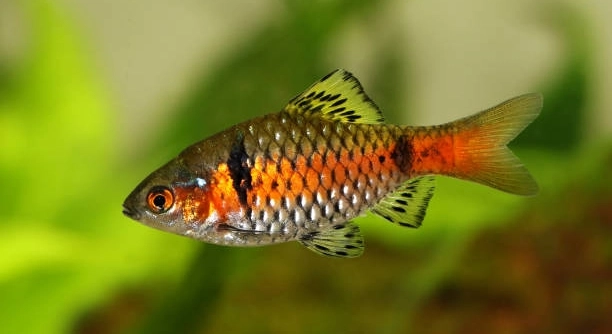
Rosy barbs are lively fish that often brighten up home aquariums. Their sudden bursts of speed can catch the attention of any observer. Many fish keepers notice this quick dashing behavior and want to understand why it happens.
Rosy barbs dash suddenly mainly due to environmental stimuli such as changes in water quality, sudden noises, or interactions with other fish. This behavior can be a natural response to stress or an instinctive reaction to perceived threats.
Understanding what causes these quick movements helps maintain a calm and healthy tank environment for your rosy barbs. This article will explain the reasons behind their sudden dashes and how to manage them effectively.
Common Triggers for Sudden Dashing
Rosy barbs often dash around the tank when something in their environment changes unexpectedly. Sudden noises like clanking or tapping on the glass can startle them. Bright lights turning on or off quickly can also cause a burst of activity. Sometimes, the presence of other more aggressive or fast-moving fish nearby pushes rosy barbs to swim faster to avoid confrontation. Changes in water temperature or quality, such as ammonia spikes or low oxygen levels, stress the fish and make them restless. Even during feeding times, rosy barbs may dart quickly to compete for food. These triggers are natural, and the fish use dashing as a way to escape or respond to sudden changes. Watching their behavior closely can help identify which triggers affect them most in your tank.
Sudden dashing is usually a response to stress or excitement in the environment. It can also indicate that the fish feels unsafe or uncomfortable.
By keeping the tank conditions stable and reducing sudden disturbances, you can help your rosy barbs feel more secure. Creating hiding spots with plants or decorations allows them to retreat and reduces their need to dash. Regularly checking water parameters and avoiding abrupt changes in lighting or noise will also keep them calmer. Understanding these triggers helps create a peaceful tank where your rosy barbs swim smoothly without sudden bursts of speed.
How Tank Setup Affects Rosy Barb Behavior
Tank setup plays a big role in how calm or active your rosy barbs behave. A small or overcrowded tank limits swimming space and raises stress levels, causing more sudden dashing. Rosy barbs thrive best in tanks with plenty of room to swim freely, ideally 30 gallons or more. Providing live plants or decorations gives them hiding places and reduces stress. Open swimming areas mixed with shaded spots make the environment feel safe yet stimulating. The water flow also matters — too strong currents can make them dart frequently, while gentle flow helps them swim smoothly. Keeping the tank clean and water parameters stable is crucial to prevent stress-induced dashing. Proper tank conditions help rosy barbs feel relaxed and reduce their sudden bursts of speed.
Careful tank design and maintenance directly influence your rosy barbs’ behavior and overall well-being.
Recognizing Stress in Rosy Barbs
Stress in rosy barbs often shows as quick, erratic swimming and hiding more than usual. They may also lose color or stop eating. These signs point to an uncomfortable environment.
Stress happens when water conditions aren’t right or if tank mates are aggressive. Poor water quality, sudden temperature shifts, or overcrowding can all cause this. When stressed, rosy barbs become more prone to illness and may dash suddenly as a reaction. Watching their behavior daily helps catch stress early, allowing you to adjust conditions or remove sources of disturbance.
Keeping the tank clean with regular water changes, maintaining proper temperature, and choosing compatible fish species reduce stress. Adding plants and decorations gives them safe places to hide and relax. These changes help rosy barbs feel safe, which lowers their need to dash around quickly.
Feeding and Activity Levels
Rosy barbs tend to be more active and dash around when they expect food. Feeding times often cause excitement and quick movements. If food is scarce, they may compete by swimming faster.
Feeding the right amount at regular times helps control their energy levels and reduce frantic dashing. Overfeeding can lead to poor water quality, which stresses fish and makes them more restless. Using a balanced diet with flakes, pellets, and occasional live or frozen food keeps them healthy. Monitoring how they react during feeding helps you adjust portions and timing to keep their activity steady and calm.
Lighting and Its Effects on Rosy Barbs
Bright or flashing lights can startle rosy barbs, causing sudden dashing. Consistent, gentle lighting helps keep them calm.
Too much light without places to hide increases stress. Using dimmers or timers can create a natural day-night cycle that supports their comfort.
Tank Mates and Social Behavior
Rosy barbs are social fish but may dash to avoid aggressive or overly active tank mates. Peaceful companions help maintain calm behavior.
If the tank has larger or aggressive fish, rosy barbs feel threatened and move quickly to escape. Keeping compatible species together reduces stress and sudden movements.
Water Quality and Movement
Clean water with stable parameters is key to calm fish behavior. Poor water quality leads to stress, which causes sudden dashing.
Regular water changes and testing for ammonia, nitrites, and pH keep the environment healthy. Proper filtration also reduces strong currents that might startle the fish.
Exercise Needs
Rosy barbs need space to swim actively. Limited swimming room can make them dart suddenly out of frustration or boredom.
FAQ
Why do rosy barbs suddenly dart around the tank?
Rosy barbs dash suddenly mostly because of stress or environmental changes. Loud noises, sudden movements outside the tank, or quick changes in lighting can startle them. They also dash to escape from aggressive tank mates or when water conditions are not ideal. This quick swimming is their natural response to feeling unsafe or disturbed.
Is sudden dashing a sign of illness in rosy barbs?
Sudden dashing alone is not always a sign of illness, but if it happens along with other symptoms like faded colors, clamped fins, or loss of appetite, it might indicate a health problem. Illnesses such as parasites or infections can make them restless. Watch for other signs and check water quality to be sure.
Can poor water quality cause my rosy barbs to dash?
Yes, poor water quality is a common reason for stress in fish. High ammonia, nitrite, or nitrate levels irritate rosy barbs and make them more active or frantic. Keeping water clean with regular changes and testing helps prevent this behavior caused by discomfort or distress.
How often should I feed my rosy barbs to reduce sudden dashing?
Feed your rosy barbs small amounts two to three times daily. Overfeeding can foul the water, causing stress and erratic swimming. Underfeeding may cause excitement and quick movements when food finally appears. A balanced feeding routine keeps their energy steady and reduces frantic dashing.
Do rosy barbs need hiding places in the tank?
Yes, hiding places are important. Plants, rocks, and decorations give rosy barbs spots to retreat when they feel threatened. Without these safe areas, they may swim quickly and nervously around the tank. Providing enough cover helps them feel secure and less likely to dash suddenly.
Can lighting affect rosy barb behavior?
Lighting has a big impact. Bright or flashing lights can startle rosy barbs, causing sudden dashes. A steady, gentle light cycle that mimics natural daylight helps keep their behavior calm. Using timers or dimmers creates a more comfortable environment.
Will certain tank mates cause rosy barbs to dash more?
Aggressive or overly active fish can make rosy barbs nervous, leading to sudden dashing to avoid confrontation. Choosing peaceful, compatible species helps reduce stress. A balanced community tank with fish that have similar temperaments promotes smoother interactions.
Is it normal for rosy barbs to dash during feeding time?
Yes, it’s common for rosy barbs to dart around during feeding as they compete for food. This behavior shows excitement and natural hunting instincts. Managing the amount of food and spreading it evenly can reduce the rush and keep them calmer.
Can tank size influence rosy barb activity?
A small tank limits swimming space and can frustrate rosy barbs, causing sudden bursts of speed. A larger tank with ample room to swim helps them stay active but relaxed. Providing space reduces stress-related dashing.
What water parameters are best to keep rosy barbs calm?
Rosy barbs do best in water with a temperature between 64–72°F (18–22°C), pH around 6.5 to 7.5, and low ammonia and nitrites. Stable water conditions with good filtration prevent stress. Keeping parameters consistent helps minimize sudden, erratic swimming.
Rosy barbs are lively and beautiful fish that add energy to any tank. Their sudden dashing can seem alarming at first, but it is usually a normal part of their behavior. Most often, these quick movements happen because the fish are reacting to changes in their environment or feeling stressed. Things like sudden noises, changes in lighting, or aggressive tank mates can make them swim quickly to feel safer. Understanding what causes this behavior helps fish keepers provide a better home for their rosy barbs and keep them calm and healthy.
Creating a stable and comfortable tank environment is key to reducing sudden dashing. This means keeping the water clean and stable, avoiding sudden changes in temperature or lighting, and providing enough space for the fish to swim freely. Adding plants and decorations gives rosy barbs places to hide when they feel nervous, which helps them relax. Feeding them regularly with the right amount of food also helps control their activity levels. Paying attention to these details can prevent much of the stress that causes sudden bursts of speed.
By learning to read your rosy barbs’ behavior and adjusting their environment, you can enjoy watching them swim smoothly and peacefully. Their quick dashes don’t always mean something is wrong but can signal a need for small changes in care. With patience and good tank management, you can create a peaceful space where rosy barbs feel safe and happy. This makes for a more enjoyable aquarium and healthier fish overall.

Hello,
If you enjoy the content that we create, please consider saying a "Thank You!" by leaving a tip.
Every little bit helps us continue crafting quality advice that supports the health, happiness, and well-being of pets around the world, for pets of all shapes, sizes, and species.
We really appreciate the kindness and support that you show us!