
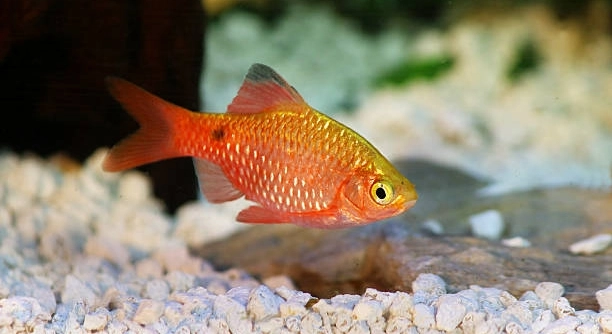
Have you ever watched your rosy barbs swim in circles around tank decorations and wondered if it means something more?
Rosy barbs circle decorations due to a mix of natural behavior and environmental stimulation. This activity often reflects their need for exercise, social interaction, or exploration. Sometimes, it can also indicate mild stress or territorial behavior.
This behavior may look playful, but understanding it can help you maintain a healthier, more engaging environment for your fish.
Understanding the Behavior
Rosy barbs are naturally active and curious fish. Circling decorations is often their way of interacting with their surroundings. They are social and tend to move in groups, which means one fish’s actions can influence the rest. Decorations give them a focal point to swim around, helping them establish territory or simply engage in playful exploration. This behavior also keeps them stimulated, especially in tanks that are not overcrowded or lacking hiding spots. If the tank is clean, well-sized, and the fish are healthy, this behavior is usually normal. However, it’s important to monitor the frequency and intensity. If the circling becomes excessive or frantic, it may indicate that the fish feel stressed or confined. A healthy tank environment with adequate space and varied décor helps support their active nature. Watching them move in patterns around objects can be both calming and a good sign of their mental engagement.
Circling can also reflect the fish’s social structure.
In many cases, rosy barbs use decorations as visual markers. These fixed points help them form swimming patterns, creating a sense of order and routine. Group movement around these areas mimics natural schooling behavior. The presence of plants, rocks, or artificial items offers comfort, variety, and direction to their activity.
Environmental Factors
Lighting, tank size, and decoration placement can influence behavior.
A small or poorly arranged tank may force fish into repetitive swimming paths. If decorations are too few or placed only in one section, rosy barbs may circle that area constantly. To reduce this, spread decorations evenly and use a variety of shapes and textures. Bright lighting may also contribute to pacing, especially if it is too harsh or inconsistent. Keep lighting moderate and give fish places to hide or rest. Water quality plays a major role too. High ammonia or low oxygen levels can lead to restlessness, so regular maintenance is essential. It’s also helpful to observe their interactions after changes in décor. Sometimes, new objects trigger curiosity, while others may make them feel nervous. Proper tank management goes beyond just adding plants or ornaments. It means thinking about how these items shape the fish’s daily activity. A balanced layout with good water flow and varied features will keep their behavior steady.
Signs of Stress or Boredom
When rosy barbs circle obsessively or break from their usual group swimming, it can be a sign of stress or boredom. This may happen if the tank is too small, too bare, or lacks stimulation.
Stress behaviors include darting movements, constant circling without breaks, or avoiding certain areas of the tank. These can be caused by poor water quality, sudden temperature changes, or lack of hiding spots. Boredom can also trigger repetitive swimming, especially if the tank is overly simple. Adding more plants, rocks, and objects helps reduce this. Ensuring enough space for movement and social interaction is key. When rosy barbs are comfortable, they swim in smooth, natural patterns. Keeping their environment engaging helps support their mental well-being and prevents unusual or harmful behaviors. Always monitor any behavioral changes, especially if they happen suddenly, as this might require checking tank conditions or adjusting the setup.
Behavioral shifts in rosy barbs can be subtle. If a previously calm fish starts circling excessively, check for changes in lighting, water quality, or tank mates. A stressed fish may become more aggressive or withdrawn, which affects group dynamics. Watching these signs early helps prevent long-term stress and supports a healthier, calmer tank environment overall.
Creating a Stimulating Environment
A healthy environment starts with proper tank size. Rosy barbs need space to swim and explore. A 30-gallon tank or larger allows them to move freely and engage with decorations.
Variety in decoration helps stimulate natural behavior. Use live or silk plants, smooth rocks, driftwood, and tunnels to create interest. Place items in different sections to encourage exploration throughout the tank. Rearranging décor occasionally can also refresh their interest and reduce boredom. Avoid clutter, as too many objects can limit swimming space. Proper lighting is also important—use a steady light cycle that mimics natural day and night rhythms. Include shaded areas where fish can retreat. Balanced water parameters, regular maintenance, and a calm setting reduce stress and support healthy behavior. When rosy barbs have a thoughtfully designed space, they show more natural swimming patterns, interact more peacefully, and live healthier lives overall. Keeping their environment both safe and engaging improves their quality of life.
Tank Mates and Social Behavior
Rosy barbs are social and thrive in groups. When kept alone or in very small numbers, they may develop anxious behaviors like circling. A proper school of at least five fish helps reduce stress and supports more natural movement.
Aggressive tank mates can also cause circling. If rosy barbs feel threatened or chased, they may start repetitive swimming as a reaction. Choose peaceful, similarly sized fish that won’t compete for space or food.
Feeding and Daily Routine
Feeding routines can influence behavior. If rosy barbs expect food at the same time each day, they may circle decorations while waiting. This behavior is usually temporary and linked to excitement or anticipation. Ensure meals are small and balanced. Overfeeding or inconsistent feeding can affect their energy levels and behavior. A regular schedule helps maintain a calm and predictable environment. Feed them in a variety of spots across the tank so they stay active without forming obsessive habits. Keep their diet varied with high-quality flakes, pellets, and occasional live or frozen treats. This supports their health and keeps them more satisfied throughout the day.
Final Thoughts
Circling decorations is often harmless but can reveal how your fish feel. A few small changes can improve their space and reduce stress.
FAQ
Why do rosy barbs swim in circles even when the tank looks fine?
Even if the tank appears fine, rosy barbs may swim in circles due to subtle stress or boredom. Factors like poor lighting, minimal décor, or lack of stimulation can cause this behavior. It may also reflect anticipation of feeding or a reaction to changes in routine. Regular observation helps identify patterns. Sometimes, the behavior is just a natural part of their activity, especially if it’s brief and doesn’t involve frantic or erratic movement. Ensure the environment is balanced, with proper water parameters and enough space to swim and explore freely.
Can circling be caused by illness or parasites?
Yes, circling may sometimes point to internal issues. If the movement is rapid, uncoordinated, or involves spinning in tight loops, it could be related to a swim bladder problem or parasite infection. Look for other symptoms like lack of appetite, clamped fins, or rubbing against objects. In these cases, it’s best to isolate the affected fish and consult a specialist or use a safe treatment. Keeping the tank clean and quarantining new fish before introducing them can prevent many of these problems from developing or spreading in the first place.
Is it normal for rosy barbs to circle each other?
Yes, this is often part of their social interaction or mating behavior. Male rosy barbs may circle females as part of a courtship display, especially if the tank has the right conditions for breeding. If it looks calm and rhythmic, it’s generally harmless. However, if the behavior seems aggressive—accompanied by chasing or nipping—it could mean there’s too much competition or not enough space. Keeping a balanced ratio of males to females and providing hiding spots can reduce aggression and help maintain peaceful interactions within the group.
How can I tell if they are playing or stressed?
Playful swimming usually looks smooth and group-oriented. The fish will follow one another, pause occasionally, and explore different parts of the tank. Stressed behavior often appears repetitive, frantic, or isolated. If a fish circles the same decoration over and over while avoiding other fish, it’s a sign of discomfort. Watch for signs like fast breathing, pale color, or reduced appetite. These indicate that changes in the tank—like layout, water quality, or lighting—may be needed to help them settle. Subtle shifts in behavior often give early warnings.
Do decorations actually help or make it worse?
Decorations can help when used correctly. Rosy barbs need visual breaks and interesting areas to explore. Decorations like smooth rocks, driftwood, plants, and tunnels provide structure and reduce boredom. However, if the tank is overcrowded or the décor blocks swimming space, it can increase stress. Use a mix of open areas and hiding spots so they feel secure while still having space to move freely. Rearranging decorations from time to time can also reduce repetitive behavior and encourage fresh exploration.
Should I rearrange the tank often to keep them active?
Rearranging the tank occasionally is helpful, but it shouldn’t be too frequent. Every few weeks is enough to renew their interest without causing stress. Sudden or drastic changes can make fish anxious. When rearranging, keep their basic needs intact—maintain consistent hiding areas and leave familiar items so they still feel secure. Small adjustments like adding a new plant or moving a decoration to a different corner can make a big difference. Always monitor their reaction after any change to be sure it’s positive and not causing confusion.
How many rosy barbs should I keep together to avoid stress behaviors?
Rosy barbs are schooling fish and feel most secure in groups of five or more. Keeping too few may cause stress, which can lead to circling or hiding. A larger group helps them develop a stable social structure and reduces aggressive behavior. Make sure the tank is large enough—at least 30 gallons—to accommodate their activity level and space needs. A proper group size, along with a calm environment and consistent care, helps keep their behavior balanced and natural.
Can overfeeding cause circling behavior?
Yes, overfeeding can contribute to circling. If fish are used to being fed too often or in large amounts, they may begin to swim restlessly near feeding zones or decorations. This behavior can be confused with playfulness, but it often stems from expectation and agitation. Over time, overfeeding leads to health issues like bloating or poor water quality, which then cause further stress. Feed rosy barbs once or twice daily in small portions they can finish in a couple of minutes. Keep a consistent schedule to prevent behavior tied to overfeeding habits.
Final Thoughts
Rosy barbs are active, curious fish that bring movement and energy to a tank. When they circle decorations, it usually reflects a natural part of their behavior. In most cases, they are simply exploring, following each other, or responding to changes in their surroundings. This kind of movement can be a normal way for them to interact with their environment. However, when the circling becomes excessive, repetitive, or seems disconnected from their usual patterns, it might be a sign that something in the tank needs attention. Observing them closely each day can help you notice small changes early and respond before stress or illness sets in.
Tank setup plays a big role in how rosy barbs behave. A well-decorated space gives them areas to explore, hide, and feel secure. Decorations that are placed with care can guide their swimming and reduce boredom. Keeping them in groups, feeding them on a consistent schedule, and maintaining proper water quality all support healthier behavior. Adding variation to their routine, such as shifting the placement of plants or objects, can also refresh their interest. These small adjustments help create an environment that meets their physical and social needs. A balanced tank setup reduces stress and encourages more natural, comfortable movement throughout the day.
While circling may sometimes seem like a problem, it is often just one way rosy barbs express themselves. Paying attention to how they swim, how often they repeat movements, and how they interact with one another will help you understand the difference between normal and concerning behavior. If their environment is clean, the tank is spacious, and their social needs are met, circling should not be a major concern. Still, it’s always a good idea to keep learning about your fish and making adjustments as needed. Rosy barbs do best in a tank that provides both structure and variety. With consistent care and attention, they will continue to thrive, and their behavior will reflect their comfort and well-being.

Hello,
If you enjoy the content that we create, please consider saying a "Thank You!" by leaving a tip.
Every little bit helps us continue crafting quality advice that supports the health, happiness, and well-being of pets around the world, for pets of all shapes, sizes, and species.
We really appreciate the kindness and support that you show us!