
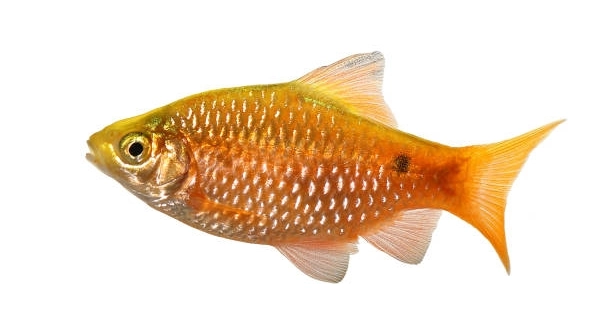
Rosy barbs are popular freshwater fish often kept in home aquariums. Many owners notice these fish avoid the tank’s middle area, preferring edges and corners. This behavior can seem puzzling to new and experienced aquarists alike.
Rosy barbs avoid the middle of the tank mainly due to their natural instinct to stay near cover and reduce exposure to potential threats. The tank’s edges provide shelter and a sense of security, helping them feel safer in their environment.
Understanding this behavior can improve how you set up your aquarium and care for rosy barbs. It also helps create a comfortable home that supports their natural habits and well-being.
Natural Instincts and Safety in the Tank
Rosy barbs come from environments where hiding spots and plants offer protection. In an aquarium, the open middle feels exposed to them. They instinctively avoid this area because it leaves them vulnerable to predators. Even in a tank without real threats, their instincts stay strong. Edges and corners usually have decorations, plants, or tank walls that provide a sense of safety. These areas allow rosy barbs to observe their surroundings while feeling less at risk. Their behavior is a natural way to reduce stress and maintain comfort. When the tank is well-planted or has ample hiding places along the edges, rosy barbs feel more relaxed and show healthier activity. This tendency to avoid the middle is not about fear but about following their built-in habits for survival and well-being.
This instinct helps explain why rosy barbs often stay near the tank’s perimeter. It also shows the importance of tank layout.
Setting up your tank with plenty of cover along the edges helps mimic their natural environment. Plants, rocks, or decorations create visual barriers that rosy barbs use to feel safe. Without these, they may appear shy or stressed. Over time, they might explore more of the tank if it feels secure. Understanding their need for shelter allows for better tank design and happier fish.
Impact of Tank Setup on Behavior
Tank design greatly affects where rosy barbs swim and rest. A bare tank pushes them to the edges for any sense of security. Adding plants and decorations changes this pattern.
When the tank is planted with thick greenery or rocks near the edges, rosy barbs use these as safe spots. They tend to stay close to cover but might venture out more often. The middle still feels exposed but becomes less intimidating when surrounded by natural elements. Creating a balanced environment with hiding places and open swimming space allows the fish to feel comfortable and active. Observing how they use the tank can help adjust the layout to meet their needs. Proper setup reduces stress and encourages natural behavior, making the rosy barbs more lively and visible throughout the tank. A well-arranged tank improves both fish health and enjoyment for the owner.
Social Behavior and Schooling
Rosy barbs are schooling fish and prefer to stay in groups. This social nature influences where they swim in the tank. They often gather near the edges because it feels safer to be close together.
When kept in groups, rosy barbs form tight schools near tank decorations or plants. This schooling reduces stress and makes them feel protected. Being in the middle alone can feel too exposed, so they stick to places where they can quickly react to any disturbance. Their need to stay close to their group often leads them to avoid open spaces. The tank edges provide a natural boundary, helping them maintain cohesion. Schooling also encourages movement and interaction, which benefits their overall health and activity level.
The number of fish in the tank affects their behavior as well. Too few rosy barbs might result in less schooling and more hiding. A good-sized group promotes natural swimming patterns and reduces nervousness. When they feel safe, they explore more but usually return to the comfort of their group along the edges.
Water Conditions and Environmental Factors
Water quality and tank environment play a major role in rosy barb behavior. Poor water conditions can make them more likely to hide near the edges and avoid open spaces.
Stress from improper water parameters, such as temperature or pH levels, causes rosy barbs to seek shelter in corners or behind plants. Clear, clean water with stable conditions encourages confident swimming and exploration. Changes in lighting or strong water currents can also push them to stay near the sides where conditions feel calmer. Adjusting tank maintenance routines to maintain ideal water parameters improves their comfort and reduces hiding behavior. Regular testing and gentle water changes help keep their environment stable and healthy. This promotes more natural and relaxed swimming patterns across the entire tank.
Predation and Fear Responses
Rosy barbs have a strong instinct to avoid predators. Staying near tank edges helps them feel less vulnerable. This behavior is a natural survival response.
Even without real threats, they react to sudden movements or shadows by retreating to sheltered areas. The tank edges offer quick escape routes and cover, reducing stress and fear.
Lighting and Tank Environment
Bright or harsh lighting can make rosy barbs uncomfortable. They tend to avoid well-lit, open middle areas in favor of shaded edges or spots with plants. Dimmer lighting encourages more natural and relaxed behavior.
Adjusting light levels to simulate natural conditions helps rosy barbs feel secure. Soft lighting combined with hiding spots along the edges creates a calming environment where they swim confidently and show their true colors.
Feeding Habits and Tank Position
Rosy barbs often associate feeding areas with tank edges where food usually settles. This encourages them to stay near the sides during feeding times.
Tank Size and Fish Movement
A small tank can limit rosy barbs’ swimming space, causing them to cluster near the edges more often. Larger tanks allow more freedom to explore.
FAQ
Why do rosy barbs avoid the middle of the tank?
Rosy barbs avoid the middle because they feel more exposed and vulnerable there. Their natural instincts tell them to stay near the edges where they can quickly hide behind plants or decorations. The tank walls offer a sense of security, reducing stress and making them feel safer.
Can tank decorations help rosy barbs feel more comfortable?
Yes, adding plants, rocks, and other decorations along the edges provides hiding spots that mimic their natural habitat. These elements help rosy barbs feel secure and encourage them to explore more of the tank. Without enough cover, they tend to stay in the corners and edges.
How many rosy barbs should I keep together?
It’s best to keep at least six rosy barbs together. They are schooling fish, so they feel safer and behave more naturally in groups. Smaller groups might cause stress and shy behavior, while larger groups encourage active swimming and interaction.
Does lighting affect where rosy barbs swim?
Lighting has a big impact. Bright or harsh lights make rosy barbs feel exposed, so they stay near shaded areas or the edges. Soft or dim lighting helps them feel comfortable and encourages them to swim more freely across the tank.
What water conditions do rosy barbs prefer?
Rosy barbs thrive in clean, well-maintained water with temperatures between 64°F and 72°F (18°C to 22°C). The pH should be neutral to slightly alkaline, around 6.5 to 7.5. Stable water conditions reduce stress and promote healthy, confident swimming.
Will rosy barbs eventually swim in the middle of the tank?
They might, but usually only if the tank offers plenty of cover and feels safe overall. Over time, as they grow more comfortable, rosy barbs may explore more open areas, but their natural preference is still for the edges.
Can tank size affect rosy barb behavior?
Yes, larger tanks provide more space for swimming and exploration, making rosy barbs more active and less likely to stay only at the edges. In smaller tanks, they tend to cluster near the perimeter because the middle feels too exposed.
Do rosy barbs need hiding spots?
Absolutely. Hiding spots reduce stress and mimic their natural habitat. Without these, rosy barbs may become shy or nervous, staying in corners or hiding behind tank features. Plants, rocks, or caves are good choices.
How does schooling behavior influence their position in the tank?
Schooling gives rosy barbs a sense of security. They like to stay close to each other, often near the tank edges where they can quickly react to threats. Being in a group lowers stress and encourages natural movement patterns.
What should I do if rosy barbs stay hidden most of the time?
Check water quality, tank setup, and lighting first. Make sure conditions are stable, and provide plenty of hiding places. Increase group size if you have fewer than six fish. With the right environment, rosy barbs should become more active and visible.
Rosy barbs are naturally cautious fish that prefer to stay near the edges of their tank. This behavior is linked to their instinct to feel safe and avoid open spaces where they might be vulnerable. Understanding why rosy barbs avoid the middle of the tank helps aquarium owners create a better home for them. By providing enough plants, decorations, and hiding spots along the tank’s edges, owners can support the fish’s natural habits. This reduces stress for the rosy barbs and encourages them to be more active and comfortable in their environment.
Tank setup plays a major role in how rosy barbs behave. When a tank has few decorations or plants, the fish tend to stay in the corners and edges because the middle feels too exposed. Adding a variety of plants and objects along the sides creates shelter and visual barriers, which help the fish feel safer. Water quality, lighting, and group size also influence their comfort. Clean water and stable conditions reduce stress, while softer lighting makes the tank less intimidating. Keeping a school of at least six rosy barbs helps the fish feel secure, as they rely on social groups to lower anxiety and show natural behaviors.
Caring for rosy barbs means paying attention to their natural instincts and preferences. Avoid expecting them to spend much time in the tank’s center, as this is not typical behavior. Instead, focus on creating an environment that feels safe and supports their needs. This includes maintaining good water quality, providing ample hiding places, managing lighting, and keeping an appropriate group size. When these factors are in place, rosy barbs tend to be healthier, more active, and show their true colors. Understanding and respecting their behavior helps make the aquarium experience more enjoyable for both the fish and their owners.

Hello,
If you enjoy the content that we create, please consider saying a "Thank You!" by leaving a tip.
Every little bit helps us continue crafting quality advice that supports the health, happiness, and well-being of pets around the world, for pets of all shapes, sizes, and species.
We really appreciate the kindness and support that you show us!