
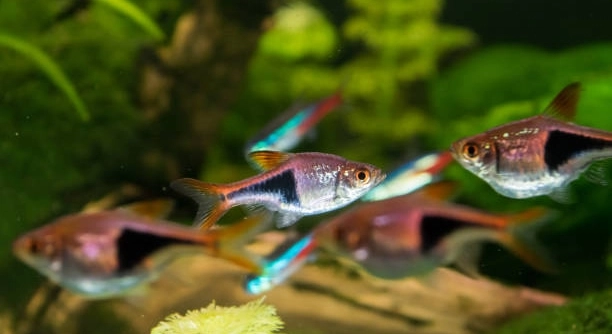
Do your rasboras often gather near the top of the tank, gliding just beneath the water surface? Watching them float gracefully in unison can be calming, yet it sometimes raises questions about their behavior and environment.
Rasboras swim near the tank rim primarily due to oxygen availability and feeding habits. Surface areas generally contain higher oxygen levels, and fish instinctively rise to access oxygen-rich water, especially if the tank’s aeration is insufficient or food is introduced at the top.
Observing these small fish at the surface can reveal subtle clues about their environment. Understanding their behavior helps maintain a healthier and more balanced aquarium.
Common Reasons Rasboras Swim Near the Tank Rim
Rasboras often gather near the tank rim due to oxygen levels, temperature, and feeding patterns. Surface water usually contains more dissolved oxygen, which attracts fish, especially in tanks with limited aeration. Temperature can also play a role; warmer water near the surface encourages activity, while cooler layers below may slow movement. Feeding habits influence behavior as well. Rasboras naturally seek food at the surface, and frequent feeding in the top layers can condition them to stay near the rim. Observing their patterns can help identify whether behavior is normal or indicates an issue with water quality, tank size, or maintenance. Adjusting aeration, checking water parameters, and distributing food more evenly can reduce prolonged surface swimming. Understanding these tendencies allows you to provide an environment that supports healthy activity while keeping the fish comfortable and stress-free.
This behavior is normal in many cases but should be monitored for signs of stress or poor water quality.
Paying attention to water flow, aeration, and feeding routines ensures rasboras remain active and healthy. Adjustments to their environment can greatly improve their well-being and prevent unnecessary surface swimming.
How to Improve Tank Conditions
Ensuring proper oxygen levels and consistent feeding reduces surface swimming.
Maintaining water quality is crucial for rasboras’ health and behavior. Regular water changes prevent oxygen depletion and reduce harmful substances. Aeration using air stones or filters helps distribute oxygen throughout the tank. Monitoring temperature keeps fish active without stressing them, as extreme fluctuations can cause them to stay near the surface. Proper feeding involves spreading food evenly rather than concentrating it at the top, which encourages balanced swimming patterns. Planting floating or mid-level plants provides shelter and alternative swimming areas, giving rasboras more freedom to explore. Checking tank size and stocking levels prevents overcrowding, which can increase surface activity. Observing your fish’s daily behavior and adjusting the environment accordingly creates a calmer, healthier tank. By addressing these factors, rasboras will swim naturally throughout the tank, showing lively, stress-free behavior while maintaining optimal health and oxygen intake.
Signs of Stress in Rasboras
Rapid gill movement and staying at the surface can indicate stress. Other signs include clamped fins, erratic swimming, or hiding frequently. Recognizing these behaviors early helps prevent health issues and ensures timely intervention for your fish.
Stress in rasboras often results from poor water conditions, sudden temperature changes, or overcrowding. Low oxygen levels make fish stay near the surface, while inconsistent feeding schedules can heighten stress. Observing your tank regularly allows you to notice subtle changes in swimming patterns or behavior. Addressing water quality, temperature stability, and proper feeding routines reduces stress and promotes healthier, more active fish.
Behavioral stress can also be linked to social dynamics within the tank. Aggression or competition for food may cause some rasboras to avoid the lower areas, staying near the rim for safety. Adding plants, decorations, or rearranging the tank can reduce tension. Monitoring their interactions and providing enough space ensures all fish can swim freely without stress. Maintaining clean water and balanced conditions further supports their well-being and natural behavior patterns.
Feeding Habits and Surface Swimming
Rasboras naturally feed at the surface, making it a common behavior in many tanks.
Providing small, frequent feedings at various levels encourages balanced swimming. Floating flakes attract fish to the top, while sinking pellets allow exploration of lower areas. Overfeeding at the surface can cause prolonged rim swimming and water quality issues. Ensuring food is spread evenly and avoiding excess prevents stress and promotes healthier activity. Observation helps adjust feeding methods to match their natural habits.
Understanding how feeding affects swimming behavior allows better tank management. Fish may compete for surface food, leading to temporary dominance of certain individuals at the top. Varying the type and placement of food supports natural foraging and reduces surface congestion. Introducing live or frozen foods can stimulate mid-level swimming and exploration, encouraging exercise. Adjusting the feeding routine to include floating, mid-water, and bottom options ensures all rasboras have access, reducing stress and maintaining health. Observing how they respond helps refine feeding practices and supports natural behavior, creating a balanced, active tank environment.
Tank Aeration and Circulation
Insufficient aeration can cause rasboras to gather near the surface. Air stones, filters, or gentle water flow help distribute oxygen evenly, encouraging fish to explore all areas of the tank. Proper circulation keeps water quality stable and reduces stress-related behaviors.
Even minor improvements in water movement can make a noticeable difference. Rasboras are more active when oxygen is evenly distributed, reducing surface clustering. Ensuring adequate aeration supports healthy gill function and overall vitality, allowing fish to swim naturally throughout the tank.
Temperature and Water Layers
Temperature differences within the tank can influence where rasboras swim. Warmer water near the top may attract them, while cooler layers below are less appealing. Consistent temperature regulation ensures a comfortable environment and promotes even swimming patterns.
Using Plants to Encourage Movement
Adding floating and mid-level plants provides shelter and encourages exploration. Plants create hiding spots and reduce surface dominance, helping rasboras distribute themselves throughout the tank. Proper planting supports natural behavior, lowers stress, and improves overall activity levels.
FAQ
Why do my rasboras always stay at the surface?
Rasboras often swim near the surface when oxygen levels are lower in other parts of the tank. Surface water is richer in oxygen, making it easier for them to breathe. Temperature and feeding patterns also influence this behavior, as they naturally seek food at the top and warmer layers of water.
Is it a problem if rasboras stay near the rim for long periods?
Prolonged surface swimming can indicate stress or poor water conditions. Check aeration, water quality, and temperature consistency. Ensuring proper oxygen distribution, adding plants, and adjusting feeding routines usually helps balance their activity and encourages exploration of mid and lower levels.
Can tank size affect their swimming habits?
Yes. Overcrowded or small tanks can increase competition and force fish to stay near the surface. Providing adequate space allows rasboras to spread out, explore all water levels, and swim naturally without feeling restricted or stressed.
How does feeding affect surface swimming?
Rasboras are surface feeders by nature. Frequent feeding at the top can train them to stay near the surface. Offering food at different levels and varying types—floating flakes, mid-water pellets, and occasional frozen foods—encourages balanced movement throughout the tank.
Do temperature changes make them stay at the top?
Temperature stratification can influence swimming. Warmer surface water attracts activity, while cooler bottom layers may discourage exploration. Maintaining a stable, even temperature throughout the tank reduces excessive surface gathering and supports healthy, natural swimming patterns.
Will plants help reduce surface swimming?
Yes. Floating and mid-level plants provide shelter, break lines of sight, and encourage exploration of other tank areas. Dense planting reduces stress, discourages prolonged surface swimming, and helps fish feel safe while moving through mid and lower levels.
Can water quality impact their behavior?
Poor water quality, high ammonia, nitrite, or nitrate levels can stress rasboras, causing them to remain near the surface. Regular water changes, proper filtration, and monitoring chemical levels ensure a healthy environment and promote balanced swimming behavior.
Do rasboras need aeration all the time?
Adequate aeration is important, especially in tanks with limited surface agitation. Air stones or filters help distribute oxygen evenly, encouraging natural movement. While some oxygenation occurs at the surface, relying solely on this can stress the fish if other water layers are under-oxygenated.
How do I know if they are stressed or just exploring?
Stress signs include rapid gill movement, clamped fins, erratic swimming, or hiding. Exploration is more relaxed, with smooth, coordinated movements and interaction with other fish. Observing behavior daily helps differentiate normal activity from stress responses.
Can rearranging the tank reduce surface swimming?
Yes. Adding decorations, plants, or creating mid-level hiding spots encourages rasboras to explore other areas. Rearranging the environment can reduce dominance at the surface and distribute fish more evenly, improving overall tank activity and reducing stress.
Should I adjust lighting to change their swimming patterns?
Lighting affects activity but not directly oxygen levels. Moderate lighting encourages normal behavior without over-stressing the fish. Too bright or inconsistent light can cause hiding or surface clustering, so maintaining a stable light cycle is beneficial.
Do rasboras swim near the surface more in certain seasons?
Seasonal temperature changes or fluctuating room conditions can influence behavior. Warmer water tends to increase surface activity, while cooler layers may slow movement. Keeping the tank temperature stable year-round reduces seasonal surface clustering and ensures consistent behavior.
Can introducing other fish affect their surface swimming?
Yes. Aggressive or fast-moving species may force rasboras to stay near the surface to avoid competition. Choosing compatible, calm tank mates and ensuring enough space helps maintain natural swimming patterns and reduces stress-related surface activity.
How often should I monitor their behavior?
Daily observation is ideal. Noticing changes in swimming, feeding, or social interactions allows for early intervention. Consistent monitoring helps maintain water quality, temperature, and feeding routines, ensuring rasboras remain healthy and active throughout the tank.
Is surface swimming a permanent habit?
Not necessarily. With proper aeration, water quality, feeding, and tank setup, rasboras often return to balanced swimming throughout all tank levels. Addressing environmental factors and stressors encourages natural behavior and reduces prolonged surface activity.
How do I combine all these tips effectively?
Maintaining stable water conditions, proper aeration, varied feeding, appropriate tank size, and adequate planting creates a balanced environment. Monitoring behavior and adjusting as needed ensures rasboras swim naturally at all levels, reducing surface dependency and supporting their overall health.
Rasboras are small, lively fish whose behavior can reveal a lot about their environment. Observing them near the tank rim is not always a cause for concern, as this is often a natural response to oxygen levels, feeding habits, or temperature differences. Surface swimming allows them to access oxygen-rich water, especially in tanks with limited aeration or temperature inconsistencies. While it may look unusual at first, this behavior is usually their way of maintaining comfort and meeting basic needs. By understanding the reasons behind their patterns, you can better manage their environment and ensure they remain healthy and active. Regular observation is key, as it allows you to notice subtle changes in behavior before they escalate into more serious health issues.
Providing proper tank conditions is essential for reducing prolonged surface swimming and promoting balanced activity. Adequate aeration, consistent temperature, and well-maintained water quality all play a role in creating a comfortable habitat. Floating and mid-level plants encourage exploration of other areas, giving rasboras shelter and variety in their swimming space. Adjusting feeding routines by distributing food across multiple levels helps prevent fish from lingering at the surface excessively. Overcrowding can also increase competition, so ensuring a suitable tank size is important. All of these adjustments work together to reduce stress, encourage natural behavior, and maintain a healthy, active tank environment.
Keeping rasboras happy and healthy involves a combination of careful monitoring, environmental adjustments, and attentive care. Paying attention to their swimming patterns, gill movement, and social interactions allows you to identify stress or discomfort early. By providing a balanced environment with proper oxygenation, temperature control, and feeding routines, you support their natural instincts while minimizing problematic surface swimming. Plants, decorations, and sufficient space offer additional support for their well-being, promoting mid-level and bottom swimming as well. Observing these fish over time helps you fine-tune care practices, ensuring they remain active, healthy, and stress-free. Ultimately, understanding why rasboras swim near the tank rim equips you to create an environment where they thrive, showcasing their natural behavior and vibrant activity throughout the entire tank.

Hello,
If you enjoy the content that we create, please consider saying a "Thank You!" by leaving a tip.
Every little bit helps us continue crafting quality advice that supports the health, happiness, and well-being of pets around the world, for pets of all shapes, sizes, and species.
We really appreciate the kindness and support that you show us!