
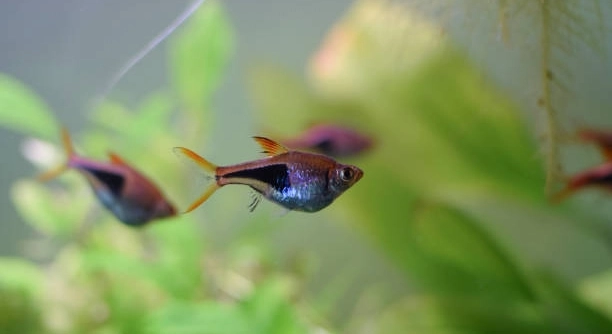
Rasboras are small, vibrant fish that brighten home aquariums with their lively swimming. Observing them glide through the water is often calming, yet their sudden sideways movements can be startling and puzzling for fish keepers.
Sudden sideways swimming in rasboras is commonly caused by swim bladder issues, water quality fluctuations, or stress. These factors disrupt normal buoyancy control, affecting balance and orientation, which can result in abnormal swimming patterns and physical strain on the fish.
Recognizing these signals early helps maintain your aquarium’s health and ensures that your rasboras remain active and balanced in their environment.
Common Causes of Sideways Swimming
Swim bladder disorders are one of the most frequent reasons rasboras swim sideways. This internal organ helps them control buoyancy, and any disruption can make maintaining normal posture difficult. Poor water conditions, such as sudden temperature changes, high ammonia, or nitrite levels, can stress fish and worsen swim bladder problems. Overfeeding is another factor, as excessive food can expand in the stomach and press against the swim bladder, causing imbalance. Sometimes, infections or parasites affect internal organs, leading to disorientation. Even minor injuries from rough handling or collisions in the tank can temporarily impact swimming behavior. Observing your fish closely can help identify patterns or triggers, allowing timely adjustments. Providing a balanced diet, stable water parameters, and a calm environment often improves their swimming posture. Awareness of these factors is essential for maintaining healthy, active rasboras and preventing prolonged distress in your aquarium.
Stress, water changes, and diet are key factors affecting rasboras’ swimming behavior and overall well-being.
Monitoring water quality, feeding appropriately, and minimizing sudden changes can significantly reduce sideways swimming, keeping your fish stable and active.
Prevention and Care Tips
Maintaining clean water is critical for rasboras’ health and swimming stability.
Regular water tests help detect ammonia, nitrite, and nitrate spikes early. Avoid overfeeding by offering small portions multiple times a day instead of one large meal. Gentle water changes reduce stress, and maintaining consistent temperature prevents sudden imbalances. Ensuring the tank has smooth decorations and sufficient space allows rasboras to swim without collisions. Introducing live or frozen foods in moderation supports digestive health and reduces swim bladder strain. Observing fish behavior daily helps identify early signs of illness or stress. Prompt action, such as adjusting water parameters or isolating affected fish, can prevent minor issues from worsening. Over time, consistent care fosters strong, healthy rasboras that swim normally and display natural behaviors. Prevention is always more effective than treatment, and attention to daily care routines ensures your aquarium remains a stable, comfortable environment for all its inhabitants.
Observing Behavior Patterns
Sideways swimming often appears during or after feeding. It may also occur when water parameters change quickly. Tracking when the behavior happens helps pinpoint the cause and allows for targeted adjustments in care or environment.
Noticing patterns in your rasboras’ movements can reveal underlying issues. If sideways swimming happens after feeding, overfeeding or digestive stress is likely. Frequent episodes during water changes may indicate sensitivity to sudden temperature or chemical shifts. Stress from overcrowding or aggressive tank mates can also trigger unusual swimming. Keeping a daily log of behavior, feeding, and water conditions helps identify consistent triggers. Adjusting feeding amounts, performing gentle water changes, and creating a calm tank environment often reduces or eliminates the problem over time.
Behavior changes can indicate illness or discomfort even without visible symptoms. Subtle signs like slower swimming, clamped fins, or isolating from the group often accompany sideways swimming. Early detection allows corrective measures such as adjusting diet, improving water quality, or isolating affected fish before the condition worsens. Observing multiple indicators together provides a clearer understanding of their overall health. Combining careful monitoring with preventive care promotes long-term stability and reduces the frequency of abnormal swimming behaviors.
Tank Setup Considerations
Tank size and layout directly affect rasboras’ swimming patterns. Proper space and structure prevent collisions and stress, reducing unusual behavior.
Crowded or cluttered tanks can limit movement and increase stress, which may cause sideways swimming. Smooth decorations, plants, and open swimming areas encourage natural movement and reduce the chance of injury. Ensuring adequate filtration and consistent temperature supports a stable environment. Using gentle lighting and avoiding sudden loud noises or vibrations also helps maintain calm conditions. A well-arranged tank promotes balance and allows rasboras to swim normally, improving overall health.
Selecting the right tank setup involves balancing space, decorations, and environmental stability. Rasboras thrive in moderately planted tanks that offer hiding spots without restricting movement. Open swimming zones let them maintain proper posture, while plants provide security and reduce stress. Filtration should ensure clean water without creating strong currents that challenge balance. Temperature and pH should remain consistent, minimizing sudden shifts that disrupt buoyancy. Proper lighting enhances their natural colors without causing stress. Attention to layout details and environmental consistency reduces swim bladder issues and supports healthy, active swimming behaviors over time.
Diet and Feeding Habits
Overfeeding is a common cause of swim bladder problems in rasboras. Small, controlled portions prevent digestive stress and maintain buoyancy.
Providing high-quality food and avoiding sudden diet changes supports healthy digestion. Including occasional frozen or live foods can help, but moderation is essential to prevent imbalance.
Water Quality Management
Maintaining stable water conditions is critical. Frequent testing for ammonia, nitrites, and nitrates ensures a safe environment. Regular, gentle water changes prevent sudden chemical shifts that can stress fish and affect swimming patterns. Clean filters and proper circulation help sustain consistent water quality for long-term health.
Monitoring Health Signs
Physical changes often accompany sideways swimming. Look for bloating, fin clamping, or lethargy. Prompt observation allows early intervention and reduces risk of serious illness or prolonged swim bladder issues.
FAQ
Why do my rasboras suddenly swim sideways?
Rasboras may swim sideways due to swim bladder issues, stress, overfeeding, or water quality fluctuations. Swim bladder disorders affect buoyancy, making it difficult for fish to maintain normal posture. Poor water parameters, sudden temperature changes, or overcrowding can also trigger this behavior. Observing when the behavior occurs helps identify the cause.
Can diet cause sideways swimming?
Yes. Overfeeding or giving food that expands in the stomach, such as dry flakes or pellets, can press against the swim bladder. Feeding smaller, frequent meals and incorporating occasional frozen or live foods reduces digestive stress and supports proper buoyancy. Avoid sudden changes in diet to prevent imbalance.
How can water quality affect swimming?
Water with high ammonia, nitrites, or inconsistent temperatures can stress rasboras, leading to abnormal swimming. Regular water tests, consistent water changes, and proper filtration help maintain a stable environment. Gentle water changes minimize stress and reduce episodes of sideways swimming.
Is sideways swimming always a sign of illness?
Not always. Sometimes stress, overcrowding, or minor digestive issues can cause temporary sideways swimming. However, persistent behavior combined with other signs such as bloating, fin clamping, or lethargy may indicate an underlying illness that requires attention.
What should I do if my rasbora swims sideways?
First, check water parameters and adjust as needed. Reduce feeding amounts and ensure food is suitable. Observe for other symptoms like bloating or discoloration. If the problem persists, isolate the affected fish and consider consulting a veterinarian familiar with aquarium species.
Can tank setup influence swimming behavior?
Yes. Overcrowded tanks, sharp decorations, or strong currents can stress rasboras and affect swimming. Providing open swimming space, smooth decorations, and moderate plant cover reduces stress and helps them swim normally. Proper lighting and avoiding sudden disturbances also support stability.
Are certain rasbora species more prone to swim bladder issues?
Some species with smaller bodies or compressed shapes may be more sensitive to dietary or environmental changes, making them prone to swim bladder problems. Monitoring behavior, feeding appropriately, and maintaining stable conditions can help prevent issues regardless of species.
How long does it take for rasboras to recover from swim bladder problems?
Recovery depends on the cause. Mild dietary issues may resolve in a few days with proper feeding and observation. Water quality or stress-related cases may take longer, sometimes weeks, to stabilize. Persistent or severe cases may require veterinary guidance.
Can I prevent sideways swimming entirely?
While it may not be entirely preventable, consistent care significantly reduces occurrences. Maintaining stable water quality, avoiding overfeeding, ensuring proper tank setup, and observing behavior daily support healthy swimming patterns and overall well-being.
Is isolation necessary for affected fish?
Isolation is recommended if the sideways swimming is persistent or accompanied by other symptoms. Separating the fish reduces stress from tank mates, allows targeted care, and prevents potential spread of disease if an infection is involved.
What foods are safest for rasboras?
High-quality flakes, micro pellets, and occasional live or frozen foods support digestion and buoyancy. Avoid foods that expand excessively or cause constipation. Feeding small portions multiple times a day helps prevent swim bladder stress.
How do I recognize early signs of swim bladder issues?
Early signs include minor tilting, slower swimming, fin clamping, reduced appetite, or staying near the surface or bottom. Observing these behaviors allows timely adjustments to diet, water conditions, or tank environment.
Can stress alone cause sideways swimming?
Yes. Sudden changes in light, temperature, tank rearrangements, or aggressive tank mates can induce stress, resulting in temporary or persistent sideways swimming. Reducing stressors improves stability and supports recovery.
Are there medications for swim bladder problems?
Some medications target infections or internal parasites that affect the swim bladder. However, treatment should only be used after identifying the cause, as diet, water quality, and stress are often the primary factors. Veterinary guidance is recommended for proper use.
Is exercise beneficial for rasboras with swim bladder issues?
Gentle swimming and adequate space allow fish to regain control gradually. Avoid strong currents or vigorous movements that may worsen the problem. Structured tank layout with open swimming areas supports natural movement and recovery.
Can temperature fluctuations trigger sideways swimming?
Yes. Rasboras are sensitive to sudden temperature changes. Rapid cooling or heating can stress their system, affecting buoyancy. Maintaining stable temperatures within the recommended range for the species prevents unnecessary swimming issues.
How often should I monitor water quality?
Daily observation of fish behavior combined with weekly water tests for ammonia, nitrites, and nitrates is recommended. Frequent monitoring ensures early detection of harmful changes that can lead to stress or swim bladder problems.
Do rasboras recover fully from swim bladder disorders?
Many recover fully with proper care, but recovery depends on the severity and cause. Addressing water quality, diet, stress, and tank setup promptly improves outcomes. Chronic or untreated cases may result in lasting swimming difficulties.
Can multiple factors cause sideways swimming at once?
Yes. Overfeeding, water fluctuations, stress, and minor illness can combine to trigger sideways swimming. Identifying all contributing factors and addressing them simultaneously increases the chances of effective recovery and stable behavior.
Is it normal for rasboras to swim sideways occasionally?
Occasional minor tilting or brief sideways movement can happen, especially during feeding or exploration. Consistent or prolonged episodes, however, indicate a problem that should be addressed to prevent further health complications.
How do I differentiate between minor tilting and serious swim bladder issues?
Minor tilting is brief and occurs without other symptoms. Serious swim bladder problems are persistent and accompanied by bloating, clamped fins, lethargy, or difficulty maintaining normal posture. Consistent observation helps distinguish between temporary and significant issues.
Can tank mates influence swimming behavior?
Aggressive or overly active tank mates can stress rasboras, leading to abnormal swimming. Ensuring compatible species, adequate space, and calm interactions reduces stress and promotes normal movement.
Are there natural remedies for swim bladder problems?
Fasting for a day or two, feeding soaked or peeled foods, and maintaining optimal water conditions are natural approaches. These help relieve digestive pressure and restore buoyancy without relying on medication when the cause is dietary.
Does age affect susceptibility to swim bladder issues?
Younger or smaller rasboras may be more sensitive to diet and environmental changes. Older fish may develop issues due to weaker systems or chronic stress. Adjusting care based on age helps prevent swimming problems.
How important is observation in preventing problems?
Daily observation is crucial. Noticing subtle changes in posture, appetite, or activity allows early intervention, reducing the likelihood of serious or prolonged swim bladder issues. Prompt response supports overall health and normal behavior.
Can I continue normal feeding if a rasbora swims sideways?
Feeding should be reduced and adjusted until swimming stabilizes. Overfeeding can worsen swim bladder stress. Providing small, easily digestible portions or temporarily fasting helps the fish regain normal buoyancy.
Are there environmental adjustments that help recovery?
Maintaining calm water, stable temperature, moderate lighting, and smooth decorations aids recovery. Open swimming space allows fish to regain balance gradually, while hiding spots reduce stress during healing.
How long should I isolate affected fish?
Isolation should continue until swimming normalizes and other symptoms disappear. This allows focused care, reduces stress from tank mates, and prevents potential spread of infection if present.
Can swim bladder issues return after recovery?
Yes, if the underlying causes such as overfeeding, poor water quality, or stress are not addressed. Consistent care and monitoring prevent recurrence and support long-term stability.
Is it safe to keep affected fish with healthy rasboras?
Temporary isolation is recommended for treatment and observation. Once stabilized, fish can rejoin the group, provided water quality, diet, and tank conditions remain optimal to prevent relapse.
What is the best long-term approach to prevent sideways swimming?
Maintain clean water, feed appropriate amounts, avoid stressors, and provide suitable tank setup. Regular observation ensures early detection, and consistent care supports normal swimming and overall health for rasboras.
Final Thoughts
Sideways swimming in rasboras can be alarming at first, but it is often a symptom that can be managed with careful attention. Observing your fish daily is one of the most important steps in preventing and addressing this behavior. Simple actions like monitoring water quality, maintaining a consistent temperature, and avoiding sudden changes can make a significant difference. Stress is a common trigger, so providing a calm, stable environment helps rasboras maintain normal swimming patterns. Even minor adjustments, such as rearranging decorations to create open swimming space or ensuring hiding spots for security, can reduce stress and support overall well-being. Consistency is key, and small, regular maintenance efforts often prevent problems from developing into more serious health concerns.
Diet also plays a critical role in maintaining healthy swimming behavior. Overfeeding or offering foods that expand rapidly in the stomach can place pressure on the swim bladder, leading to imbalance. Providing small, controlled portions and varying the diet with high-quality flakes, micro pellets, or occasional frozen and live foods supports proper digestion and buoyancy. Gradual dietary adjustments are better than sudden changes, as rasboras are sensitive to shifts in feeding routines. Observation during feeding times helps identify whether the fish are eating properly or experiencing discomfort. Sometimes fasting for a day or offering softer, soaked foods can relieve pressure on the swim bladder and allow the fish to recover. Paying attention to how your rasboras respond to diet changes is an effective way to maintain stable swimming and prevent recurring issues over time.
Health monitoring and proactive care are essential for long-term stability. Persistent sideways swimming accompanied by other signs like bloating, clamped fins, or lethargy may indicate a more serious condition, such as infection or internal issues, requiring intervention. Isolation of affected fish can reduce stress from tank mates and allow focused care. Recovery is possible when the causes are identified and addressed promptly, but prevention is always more effective than treatment. Maintaining clean water, consistent feeding, and a suitable tank layout helps rasboras remain active and balanced. By keeping a close eye on behavior, responding to subtle changes early, and providing steady care, you can support their health, reduce abnormal swimming, and ensure that your aquarium remains a stable, comfortable environment for all its inhabitants. Consistent attention and thoughtful care form the foundation for a thriving, harmonious aquarium where rasboras can swim freely and normally.

Hello,
If you enjoy the content that we create, please consider saying a "Thank You!" by leaving a tip.
Every little bit helps us continue crafting quality advice that supports the health, happiness, and well-being of pets around the world, for pets of all shapes, sizes, and species.
We really appreciate the kindness and support that you show us!