
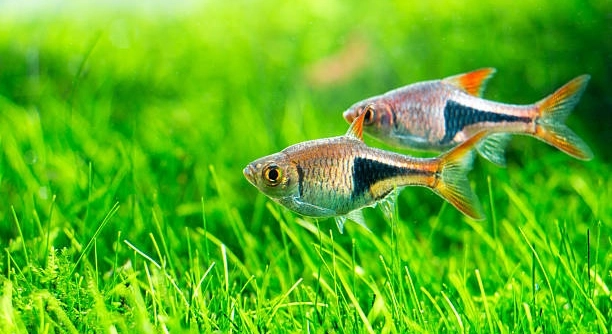
Rasboras are small, lively fish that often brighten up a home aquarium. Sometimes, these peaceful swimmers start hiding more than usual, making it harder to enjoy their usual activity. Understanding this behavior can help maintain a calm tank.
Rasboras often hide suddenly due to stress, changes in water quality, or the presence of perceived threats. Sudden shifts in environment, poor water parameters, or aggressive tankmates can trigger this instinctive behavior, signaling a need for careful monitoring and adjustment.
Observing their behavior closely can reveal the cause and improve their comfort. Small changes in the tank environment often make a big difference.
Common Reasons Rasboras Hide
Rasboras can be sensitive to changes in their environment. When water quality shifts even slightly, they may retreat to corners or plants. Sudden temperature drops or poor filtration can stress them, causing hiding behavior. Sometimes, introducing new fish disrupts their sense of safety. Even subtle changes, like rearranging decorations, can make them feel insecure. Lighting also plays a role; overly bright tanks or long periods of light can make these fish anxious. Overcrowding adds another layer of stress, as rasboras prefer open swimming areas with enough room for each fish. Observing their daily routine can reveal patterns in hiding behavior, helping to identify specific triggers. Gentle adjustments in tank setup and care routines often restore their comfort and encourage more natural swimming. Providing a calm, stable environment is key to reducing hiding and ensuring these small fish remain active and visible.
Monitoring water quality daily can prevent sudden stress. Consistency is crucial for rasboras’ comfort.
Creating a secure environment is essential. Adding plants or hiding spots gives them a sense of safety, which reduces fear. Maintaining consistent feeding times and avoiding sudden disturbances helps them settle. Gradual changes when adding new fish or decorations prevent panic. Temperature should remain stable, with regular testing to ensure proper ranges. Overcrowding can lead to constant hiding, so keeping the right number of fish is important. Light exposure should mimic natural conditions, avoiding extremes that cause stress. Regular observation allows early detection of any behavior changes. Small adjustments, like adding gentle filtration or soft lighting, can make a noticeable difference. Comfort and predictability in the tank environment encourage rasboras to explore more and hide less. With patience and attention to detail, their natural, lively behavior can return quickly.
Stress Factors in Rasboras
Stress in rasboras often comes from poor water conditions or sudden environmental changes. Even minor shifts can cause prolonged hiding.
Aggressive tankmates, loud noises, or frequent tapping on the glass can heighten anxiety. Unstable temperatures, low oxygen levels, and high nitrate concentrations increase stress, sometimes leading to illness. Rasboras may also hide when feeling threatened by new additions or overly curious species. Understanding their natural tendencies is important. These fish thrive in calm, predictable environments. Ensuring clean water, moderate lighting, and safe tankmates helps prevent hiding behaviors. Observation and adjustment are key to maintaining their well-being. By addressing stress factors early, you can protect their health and maintain a lively, visible aquarium.
Adjusting Tank Environment
Providing plenty of plants and hiding spots reduces fear and encourages natural behavior. Open swimming areas combined with safe retreats help rasboras feel secure without feeling trapped.
Rasboras react quickly to changes in their surroundings. Adding dense plants, driftwood, or small caves gives them places to retreat when stressed. At the same time, leaving open areas allows free swimming, which keeps them active and healthy. Avoid overcrowding, as too many fish in limited space can increase anxiety and cause constant hiding. Lighting should be soft, with gradual transitions to mimic natural day and night cycles. Gentle filtration prevents strong currents that might make them feel unsafe. Regular maintenance, like partial water changes, also keeps the environment stable, reducing sudden stress.
Temperature stability is another key factor. Sudden drops or spikes in water temperature can trigger hiding. Using a reliable heater and thermometer ensures the water remains within a comfortable range for rasboras. Even small fluctuations can disrupt their routine and increase anxiety, so careful monitoring is essential. Creating a calm, predictable environment allows them to swim openly and display normal behaviors, reducing stress-related hiding over time.
Feeding Habits and Comfort
Consistent feeding routines help rasboras feel safe. Unpredictable or irregular feeding can increase stress and hiding behavior.
Rasboras prefer small, frequent feedings rather than one large portion. Feeding at the same times each day creates a predictable pattern, reducing anxiety and promoting natural activity. Offering a variety of foods, such as flakes, micro pellets, and occasional live or frozen options, keeps them engaged and healthy. Overfeeding should be avoided, as leftover food can deteriorate water quality, indirectly causing stress. Observing their feeding behavior also allows early detection of illness or discomfort. Proper feeding practices, combined with a stable tank environment, greatly reduce hiding and encourage normal interaction.
Monitoring Water Quality
Regular water testing helps maintain a healthy environment. Poor water conditions often lead to hiding and stress.
Keeping nitrate, ammonia, and pH levels stable is essential. Frequent checks and timely water changes prevent sudden shifts that could scare rasboras, ensuring they remain active and comfortable in the tank.
Introducing New Fish
Adding new fish gradually prevents stress. Sudden introductions can make rasboras retreat and hide.
Quarantine new arrivals before adding them to the main tank. Slowly acclimate them to the water conditions to avoid shocking the existing fish. Observing behavior during this process helps prevent conflicts and ensures everyone adjusts safely.
Tank Lighting
Soft, natural lighting reduces stress. Bright or fluctuating light can cause hiding behavior.
Adjusting light duration to mimic day and night cycles creates a calm atmosphere. Timers can help maintain consistency, allowing rasboras to feel secure and explore the tank freely without sudden disturbances.
FAQ
Why are my rasboras hiding all the time?
Constant hiding is often a sign of stress. Water quality, temperature fluctuations, overcrowding, or aggressive tankmates can all trigger this behavior. Even minor changes in lighting or decorations may make them feel unsafe. Ensuring stable water conditions, gentle filtration, and plenty of hiding spots helps them feel secure and encourages normal activity.
Can poor water quality make rasboras hide?
Yes, water quality is critical for their comfort. High ammonia or nitrate levels, incorrect pH, or sudden changes in temperature can stress them. Regular testing and partial water changes keep the tank stable. Clean, well-maintained water reduces hiding behavior and supports their overall health and energy.
Do rasboras hide when they are sick?
Hiding can indicate illness. Symptoms like faded color, clamped fins, or unusual swimming patterns often accompany sickness. Ill fish instinctively retreat to avoid perceived threats. Early detection through observation and proper treatment can prevent worsening health issues and encourage them to resume normal behavior.
Does tank size affect hiding?
Yes, overcrowded tanks increase anxiety. Rasboras prefer open swimming areas with some planted spots for retreat. Too many fish or insufficient space can cause constant hiding and stress. Maintaining the appropriate number of fish per gallon and providing adequate swimming and hiding areas keeps them active and visible.
Will aggressive tankmates make rasboras hide?
Aggressive or overly active fish often intimidate rasboras. Even fish that are not direct predators can cause stress if they chase or corner them. Providing calm tankmates and ample hiding spaces allows rasboras to feel safe and reduces persistent hiding.
How does lighting influence hiding behavior?
Bright or sudden light changes can make rasboras anxious. They thrive under soft, consistent lighting that mimics natural day-night cycles. Using timers and avoiding extremes prevents stress, encourages exploration, and helps them display normal swimming behavior without retreating.
Can rearranging decorations cause hiding?
Yes, even minor changes can unsettle rasboras. They rely on familiar territory for security. Adding new plants or moving ornaments should be done gradually. Providing both open swimming areas and stable hiding spots helps them adjust while minimizing hiding behavior.
Do rasboras hide more when feeding is inconsistent?
Inconsistent feeding schedules can make rasboras nervous. Regular, predictable feeding times create a sense of security. Offering small amounts multiple times a day and varying their diet with flakes, micro pellets, or occasional frozen foods encourages them to stay active and explore instead of retreating.
Is temperature stability important for reducing hiding?
Absolutely. Sudden drops or spikes in water temperature stress rasboras and trigger hiding. Using a reliable heater and thermometer keeps the tank within the ideal range. Gradual adjustments when needed prevent panic and support overall well-being, keeping them visible and active.
How can I encourage rasboras to come out of hiding?
Create a calm and predictable environment. Stable water conditions, proper tankmates, soft lighting, and regular feeding all help. Adding live plants or gentle decorations for secure hiding spots allows gradual exploration. Patience is key, as rasboras need time to feel comfortable before fully resuming normal behavior.
Can stress from moving the tank make them hide?
Yes, relocating a tank or changing the room can trigger hiding. Rasboras rely on familiar surroundings, so moving them should be done carefully. Keeping water parameters stable and allowing them to adjust gradually minimizes stress and encourages them to explore their new environment confidently.
Do rasboras hide more at night?
They are naturally more active during the day. At night, reduced lighting and low activity levels often lead to resting in plants or hiding spots. Ensuring a proper day-night cycle helps regulate their behavior, making daytime activity more predictable and minimizing unnecessary hiding.
Are certain rasbora species more prone to hiding?
Some species, like the harlequin rasbora, may be more timid and sensitive to environmental changes. Understanding the temperament of each species helps in planning tankmates, decorations, and feeding routines, reducing stress and keeping shy species more visible.
How long does it take for rasboras to stop hiding after stress?
Recovery depends on the cause and the measures taken. With stable water, proper feeding, and a calm environment, rasboras may gradually resume normal behavior within days to weeks. Observation and patience are essential to ensure lasting comfort and activity.
Can adding plants reduce hiding?
Yes, plants provide security and mimic their natural habitat. Dense foliage allows retreat without fear, while open swimming areas encourage activity. Balancing hiding spots with space for swimming helps rasboras feel safe and reduces prolonged retreating behavior, keeping them active and healthy.
What should I do if hiding persists?
Persistent hiding may indicate stress, poor water conditions, or illness. Check water quality, observe for signs of sickness, review tankmates, and ensure appropriate lighting and temperature. Gradual adjustments and careful observation are key to restoring comfort and encouraging normal activity in the tank.
Rasboras are small, delicate fish that respond strongly to changes in their environment. Their hiding behavior is often a natural response to stress, discomfort, or perceived threats. Even minor shifts in water quality, temperature, or tank setup can trigger them to retreat. Observing their behavior closely can provide important clues about what might be bothering them. By paying attention to their daily routines, swimming patterns, and interactions with other fish, it is possible to identify stressors early. Providing a stable, calm environment helps reduce hiding and encourages more natural, active behavior. Consistency in care and routine plays a key role in making rasboras feel secure in their tank.
Water quality is one of the most important factors for their well-being. High levels of ammonia, nitrites, or nitrates, as well as sudden changes in pH or temperature, can stress them and lead to prolonged hiding. Regular testing and partial water changes maintain a safe and healthy environment. A proper filtration system and gentle water flow also help prevent unnecessary anxiety. Overcrowding should be avoided, as too many fish in a small space can make rasboras feel trapped. Tank decorations and plants should be arranged thoughtfully, providing both hiding spots and open swimming areas. Balancing security with space for exploration is key to encouraging normal behavior.
Other factors, like feeding routines, tankmates, and lighting, also influence hiding. Predictable feeding schedules create a sense of security, while overfeeding or inconsistent feeding can increase stress. Aggressive or overly active fish in the tank can intimidate rasboras, so careful selection of tankmates is important. Lighting should mimic natural day-night cycles, avoiding extremes that may cause anxiety. Gradual introduction of new fish or changes to the tank setup helps rasboras adjust without panic. With patience, attention to detail, and consistent care, it is possible to reduce hiding behavior. These measures not only improve their comfort but also promote a lively, visible, and healthy aquarium. Over time, rasboras will feel more confident, swimming openly and displaying their natural, playful behavior.

Hello,
If you enjoy the content that we create, please consider saying a "Thank You!" by leaving a tip.
Every little bit helps us continue crafting quality advice that supports the health, happiness, and well-being of pets around the world, for pets of all shapes, sizes, and species.
We really appreciate the kindness and support that you show us!