
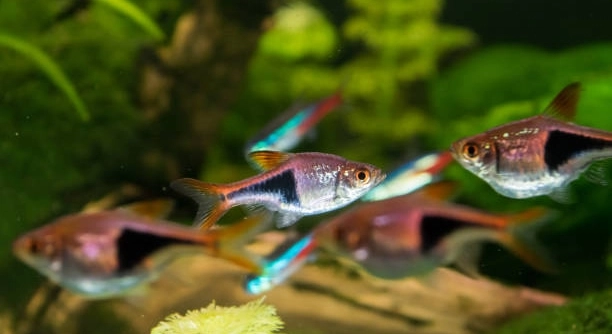
Many aquarium enthusiasts enjoy watching rasboras glide gracefully through the water. Sometimes, these small fish will pause and remain motionless in one spot. Observing this behavior can be both intriguing and puzzling for hobbyists.
Rasboras often stay still to conserve energy, monitor their surroundings, or maintain social cohesion within their school. This behavior is a natural survival strategy, helping them respond quickly to potential threats or environmental changes.
Understanding why rasboras exhibit this behavior can improve how you care for them. Their subtle habits reveal more about their needs and natural instincts.
Reasons Rasboras Stay Still
Rasboras often pause in one spot for several reasons. One of the main factors is energy conservation. Small fish like rasboras expend energy constantly when swimming. By staying still, they reduce unnecessary movement, helping them survive longer, especially in tanks with limited food or lower temperatures. Another reason is environmental awareness. Staying in one spot allows them to observe their surroundings and detect potential threats without drawing attention. Social behavior also plays a role. Rasboras are schooling fish, and pausing together helps maintain group cohesion. They may align near plants, rocks, or decorations to feel secure, mimicking their natural habitat. Sometimes, resting in a single spot is simply a way to acclimate to new tank conditions. Watching them quietly reveals subtle patterns that indicate comfort or mild stress. Understanding these behaviors ensures better care and healthier fish overall.
This stillness can also signal that your fish feels safe in its environment, using minimal movement to assess conditions carefully.
Observing where and how rasboras pause provides insights into their preferences and tank layout needs. Some prefer shaded areas, while others linger near open water for visibility. Temperature fluctuations, water quality, and feeding schedules all influence this behavior. By noting patterns, you can adjust decorations or provide gentle water currents that mimic their natural habitat, encouraging healthy activity. Recognizing these subtleties helps maintain a balanced aquarium, reducing stress and preventing aggressive interactions. Over time, consistent observation reveals which areas the fish favor, offering clues about tank comfort and environmental enrichment. Providing plants, rocks, or floating décor allows them safe spots to pause while remaining visible for observation. This careful attention to behavior can make your aquarium more harmonious and improve overall fish health, ensuring rasboras display natural movements while feeling secure.
Health Indicators of Stillness
Prolonged stillness can sometimes indicate health issues or stress. It is important to monitor water quality, temperature, and diet closely.
Rasboras showing unusual inactivity may be affected by illness, poor water conditions, or improper nutrition. Common issues include parasites, bacterial infections, or low oxygen levels in the tank. Early detection is crucial to prevent worsening conditions. Adjusting tank parameters, performing regular water changes, and providing a balanced diet can help restore normal activity. Observing physical signs such as color changes, clamped fins, or labored breathing helps identify potential problems. Stress from aggressive tank mates or overcrowding can also cause fish to remain stationary. Providing hiding spots and ensuring adequate space encourages natural movement and reduces tension. By addressing these factors promptly, you support their health and promote a more active, confident behavior pattern. Regular observation and preventive care are essential for maintaining a thriving aquarium.
Environmental Factors Affecting Stillness
Water temperature and quality strongly influence rasboras’ activity. Cooler water can slow their metabolism, making them more prone to pause. Poor water conditions, including high ammonia or nitrite levels, can also lead to inactivity. Proper filtration and regular testing are essential to keep them healthy.
Rasboras are sensitive to their surroundings. Sudden changes in light, water flow, or tank decorations can make them hesitant to swim. They often choose shaded or protected areas to feel secure. Dense plants or rocks provide hiding spots that encourage them to stay in one place. Maintaining stable conditions helps reduce stress and supports natural behavior. Observing where they linger can give insight into their comfort levels. Consistency in feeding schedules and avoiding overcrowding further promotes normal activity.
Aquarium setup plays a critical role in rasboras’ stillness. Tanks with strong currents or insufficient hiding places may cause stress, leading to prolonged pauses. Gradually introducing new décor or plants allows them to adapt without sudden behavioral changes. Balanced lighting and maintaining proper water chemistry ensures a stable environment. Group dynamics also matter; rasboras are social and prefer being in schools. Isolated individuals may remain still more often due to insecurity. Providing appropriate space, plants, and gentle water flow encourages natural swimming while allowing occasional resting moments, resulting in healthier, more confident fish.
Feeding and Its Influence on Behavior
Rasboras’ feeding patterns directly affect their activity. Fish may pause after eating to digest or conserve energy, especially if food is high in protein. Consistent feeding routines support predictable behavior and overall health.
The type and frequency of food impact how often rasboras stay still. Live or frozen foods stimulate activity, while pellet foods may lead to shorter bursts of energy followed by resting periods. Overfeeding can result in lethargy, making fish linger in one spot longer than usual. Feeding smaller amounts more frequently encourages regular movement and reduces stress. Observing their response to different foods can help fine-tune feeding habits. Healthy fish display brief pauses after meals, which is natural digestion behavior rather than a sign of distress.
Timing and environment during feeding also influence behavior. Feeding in a calm area with minimal disturbance encourages active swimming and reduces competition stress. Fish may cluster near food sources, remaining still until it is safe to eat. Ensuring all individuals receive adequate nutrition prevents dominant fish from monopolizing meals, which can cause others to hide or stay still for longer periods. Adjusting feeding methods, such as spreading food throughout the tank or using floating versus sinking foods, helps promote balanced activity. Careful observation allows fine-tuning of feeding schedules to match their natural rhythms, supporting healthier, more dynamic behavior patterns over time.
Social Behavior and Schooling
Rasboras rely on their school for safety and confidence. Remaining still together helps them observe the environment and coordinate movements. This behavior strengthens group cohesion and reduces individual stress.
Fish at the edges of the school may pause more often. Staying still allows them to monitor potential threats without leaving the safety of the group.
Stress and Inactivity
Stress from tank mates, overcrowding, or sudden changes can lead rasboras to remain motionless. Prolonged inactivity often signals discomfort or anxiety. Maintaining a peaceful environment with ample hiding spots helps reduce stress and encourages natural movement.
Seasonal Changes
Temperature fluctuations and light variations across seasons affect rasboras’ metabolism. Cooler months often result in slower activity and longer periods of stillness. Adjusting tank conditions gradually can help them remain active and healthy throughout seasonal shifts.
Observation Tips
Monitoring rasboras’ stillness provides clues about health, environment, and social dynamics. Regular observation allows timely adjustments to care, supporting overall well-being.
FAQ
Why does my rasbora stay still most of the time?
Rasboras may remain still to conserve energy or because they feel secure in their environment. Observing their preferred spots often reveals areas where they feel safe. Stress, water quality, and temperature can also influence inactivity. Ensuring stable conditions helps encourage balanced movement and activity.
Is it normal for rasboras to pause after eating?
Yes, it is common for rasboras to stay still briefly after feeding. This behavior allows them to digest food efficiently and conserve energy. Overfeeding, however, can cause prolonged inactivity, so providing small, frequent meals is better than large portions at once.
Can water temperature affect their activity?
Absolutely. Cooler water can slow their metabolism, leading to more frequent pauses. Maintaining water within the ideal range for rasboras helps them remain active. Sudden temperature changes can stress the fish, causing them to stay still for longer periods.
Do rasboras stay still when they feel threatened?
Yes. Freezing in place is a natural defense mechanism. By remaining motionless, they avoid drawing attention from potential predators. Providing plants, rocks, or hiding spaces allows them to exhibit this behavior naturally without harm.
Does schooling influence their stillness?
Rasboras are social fish that rely on schools for safety. Staying still together allows them to coordinate movements and watch for threats. Fish at the edges of the school may remain motionless more often, while those in the center feel more secure and move freely.
Can poor water quality cause inactivity?
Yes. High ammonia, nitrite, or nitrate levels can stress fish, leading them to stay still. Regular water changes, proper filtration, and consistent testing are essential for maintaining a healthy environment and promoting natural activity patterns.
Are all rasboras equally active?
No. Individual temperament varies. Some fish are naturally more cautious and may remain still longer, while others explore actively. Observing each fish’s behavior over time helps identify what is normal and what may signal stress or illness.
Can tank setup impact their stillness?
Tank decorations, plants, and water flow affect how often rasboras pause. Dense plants or shaded areas encourage resting, while strong currents or overcrowding can cause stress and longer inactivity. Adjusting the environment to mimic natural habitats promotes healthy behavior.
How can I encourage my rasboras to move more?
Providing appropriate hiding spots, stable water conditions, and gentle water flow encourages natural swimming. Introducing varied food types and maintaining a consistent feeding schedule also stimulates activity while keeping them comfortable and secure.
When should I worry about their stillness?
Prolonged stillness accompanied by color fading, clamped fins, labored breathing, or lack of appetite may indicate illness. Monitoring water quality, feeding habits, and tank mates can help identify the cause. Prompt action ensures fish health and prevents complications.
Does lighting affect their activity?
Yes. Sudden bright lights or inconsistent lighting can make rasboras hesitant to swim. Gradual lighting changes and providing shaded areas allow them to adjust comfortably, reducing stress-induced stillness.
Are pauses during swimming normal?
Short pauses while exploring the tank are typical. Rasboras often stop to assess surroundings or interact with other fish. These brief moments are part of their natural behavior and should not cause concern if accompanied by overall healthy activity.
Do seasonal changes influence stillness?
Seasonal variations in temperature or daylight can affect their metabolism. Cooler months may lead to slower movement and longer resting periods. Adjusting tank temperature and lighting gradually helps maintain consistent activity regardless of seasonal shifts.
Can diet impact their stillness?
Yes. High-protein foods may result in short bursts of energy followed by rest, while insufficient nutrition can cause lethargy. Feeding balanced diets in controlled portions encourages regular activity and supports overall health.
How do I know if stillness is normal behavior or a problem?
Observe overall patterns. Brief pauses during feeding, schooling, or exploration are normal. Extended inactivity combined with other stress indicators like color changes, labored breathing, or fin clamping signals a problem that requires attention.
Observing rasboras in your aquarium can be both calming and educational. Their occasional stillness is a normal part of their behavior and is influenced by several factors, including energy conservation, environmental conditions, and social dynamics. Small fish like rasboras expend energy continuously when swimming, so pausing in one spot allows them to rest and digest food efficiently. This behavior also helps them monitor their surroundings and detect potential threats without unnecessary movement. In a well-maintained tank, this stillness is often a sign that the fish feels secure and comfortable, particularly when they gather near plants, rocks, or shaded areas. By noticing where and when they pause, you can learn more about their preferences and the layout that makes them feel safe.
Environmental factors play a significant role in rasboras’ activity levels. Water temperature, quality, and lighting all affect how often they stay still. Cooler water slows their metabolism, while poor water quality can stress the fish, leading to extended periods of inactivity. Sudden changes in lighting or decorations may also make them hesitant to swim until they feel secure. A stable, well-planted environment with adequate hiding spots and gentle water flow helps reduce stress and encourages natural movement. Their social behavior is another important factor. Rasboras are schooling fish, and staying still together helps maintain group cohesion while keeping an eye on potential threats. Fish at the edges of the school may pause more frequently, while those in the center move more freely. Understanding these patterns allows you to better interpret their behavior and make adjustments to tank conditions when necessary.
Feeding habits and overall care further influence rasboras’ stillness. After eating, it is common for them to pause briefly while digesting, conserving energy for later activity. The type and frequency of food can also affect movement. Small, frequent meals encourage regular swimming, while overfeeding or improper nutrition may lead to lethargy. Observing how your fish respond to different foods and feeding routines provides insight into their health and activity levels. Paying attention to signs such as color changes, clamped fins, or labored breathing helps differentiate normal pauses from behavior that may indicate stress or illness. Maintaining consistent water quality, temperature, and feeding schedules supports their well-being, allowing them to display natural, healthy behaviors. Overall, understanding the reasons behind their stillness enhances both the care you provide and your enjoyment of these lively, delicate fish.

Hello,
If you enjoy the content that we create, please consider saying a "Thank You!" by leaving a tip.
Every little bit helps us continue crafting quality advice that supports the health, happiness, and well-being of pets around the world, for pets of all shapes, sizes, and species.
We really appreciate the kindness and support that you show us!