
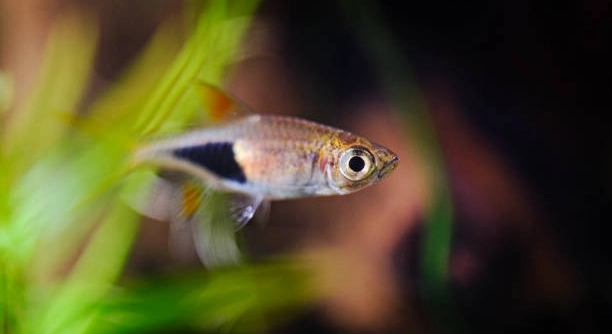
Have you ever noticed your rasboras suddenly stop swimming and hover in one spot, almost frozen in place? It can be surprising for anyone caring for these small, lively fish in a home aquarium.
Rasboras sometimes freeze mid-swim due to stress, sudden changes in water temperature, or low oxygen levels. This behavior is a natural response to environmental triggers, helping the fish conserve energy and stay alert to potential threats in their surroundings.
Understanding these triggers can help you create a safer, more comfortable environment for your fish and improve their overall health in the tank.
Common Causes of Mid-Swim Freezing
Rasboras are sensitive to changes in their environment. Sudden shifts in water temperature can shock them, causing temporary freezing as they adjust. Low oxygen levels in the tank also make them pause, as they try to conserve energy. Stress from overcrowding, aggressive tankmates, or excessive handling can trigger this behavior. Even strong water currents may make a small rasbora stop and hover. Monitoring water quality is essential, including pH, ammonia, nitrite, and nitrate levels, because poor conditions often lead to unusual behaviors. Lighting changes, especially abrupt transitions from bright to dark or vice versa, may also startle them. Feeding routines and diet can influence energy levels, with underfed or overfed fish showing different swimming patterns. Understanding these causes helps maintain a stable environment. Adjusting tank conditions gradually and observing the fish’s response ensures they feel safe.
Temperature fluctuations, low oxygen, and stress are the main triggers for freezing in rasboras.
Creating a stable environment is key. Regular water testing, proper tank filtration, and avoiding sudden changes keep fish healthy. Providing hiding spots and maintaining appropriate tankmates reduces stress. Small, consistent feedings help regulate energy. Observing daily behavior allows early detection of problems. Even minor changes can impact their swimming patterns, so careful adjustments are important. Ensuring proper water circulation and gentle lighting transitions minimizes startle responses. Keeping these factors in mind helps rasboras thrive and reduces mid-swim freezing occurrences, making the tank a calmer place.
How to Prevent Freezing Behavior
Maintaining stable water conditions prevents freezing.
Start by gradually adjusting water temperature during changes to avoid shocking your rasboras. Keep oxygen levels high with proper filtration and occasional surface agitation. Avoid overstocking the tank and choose compatible tankmates to reduce stress. Feeding small portions at regular intervals prevents sudden energy spikes. Check water quality frequently to ensure safe levels of pH, ammonia, nitrite, and nitrate. Consider adding plants or decorations to offer hiding spots, giving fish a sense of security. Observe behavior daily and respond to any changes early. Gentle lighting transitions reduce sudden stress. Regular maintenance, including partial water changes, supports a balanced environment. Patience and attention to detail allow rasboras to feel comfortable and swim naturally, minimizing freezing episodes. With consistent care, their activity levels stabilize, and unusual pauses become rare, ensuring a healthy and peaceful aquarium.
Recognizing Stress Signals
Rasboras show stress through sudden freezing, darting, or hiding. Watching their swimming patterns and interactions helps identify problems early. Changes in color or appetite also indicate discomfort. Recognizing these signals allows timely adjustments to their environment to prevent long-term health issues.
Stress in rasboras often results from environmental or social factors. Overcrowded tanks create tension, especially with aggressive or fast-moving species nearby. Sudden water changes, temperature drops, or poor water quality can cause immediate freezing. Even minor disturbances, like tapping the glass or loud noises, may startle them. Paying attention to daily behavior and maintaining consistent conditions reduces stress. Observing how they respond to feeding, tankmates, and lighting helps determine which adjustments are necessary to keep them comfortable and active.
Behavioral changes are subtle but important. Rasboras may stop eating, hide more than usual, or swim erratically when stressed. These signs indicate a need for improved tank management. Adjusting water parameters gradually, adding plants or shelters, and ensuring compatible companions help them regain comfort. Small, consistent routines make a big difference in minimizing stress and preventing mid-swim freezing. Understanding their needs ensures a healthier, calmer aquarium overall.
Improving Tank Conditions
Stable water and proper filtration are essential for rasboras. Clean tanks with gentle currents reduce freezing episodes. Regular checks of temperature, pH, and oxygen levels prevent sudden stress, allowing fish to swim naturally and stay active throughout the day.
Proper tank setup directly impacts rasboras’ behavior. Overcrowding leads to competition for space and oxygen, often resulting in freezing or hiding. Plants, rocks, and hiding spots provide security, helping them feel safe. Filtration ensures water circulation and oxygenation without creating strong currents that exhaust them. Gradual water changes maintain stability, avoiding sudden chemical or temperature shifts. Lighting should mimic natural day-night cycles to prevent startling. Observing their interactions and adjusting tank conditions accordingly promotes a calm environment. A balanced diet, fed in small portions, supports consistent energy levels, reducing stress-related behaviors. By combining these steps, rasboras are less likely to freeze mid-swim and more likely to display natural, active swimming patterns in a healthy tank.
Feeding Habits and Energy Levels
Irregular feeding can make rasboras freeze mid-swim. Skipping meals or overfeeding affects their energy, causing pauses in movement. Consistent, small portions help maintain steady activity and prevent sudden lethargy, keeping the fish more alert and responsive in the tank.
High-energy foods encourage active swimming. Live or frozen options, like brine shrimp or daphnia, provide nutrients and stimulation. Avoid overfeeding, which can lead to sluggish behavior and water quality issues. Observing how your rasboras react after feeding helps adjust portions and diet type. Balanced nutrition keeps energy levels stable, reducing freezing behavior and promoting natural, lively activity throughout the day.
Seasonal and Environmental Changes
Water temperature and light cycles affect rasboras’ behavior. Cooler temperatures slow metabolism, causing mid-swim pauses, while warmer water increases activity. Sudden seasonal changes or irregular lighting can stress them, leading to freezing. Maintaining stable conditions minimizes these effects and supports consistent activity.
Signs of Illness
Freezing may indicate disease. Lethargy, faded colors, or clamped fins often accompany illness. Observing these signs early allows prompt treatment, improving survival and recovery chances.
Why do my rasboras freeze only sometimes and not all the time?
Rasboras freeze intermittently because their behavior responds to specific triggers. Changes in water temperature, sudden movements near the tank, low oxygen, or stress from tankmates can cause temporary freezing. They are sensitive fish, and even small environmental shifts may make them pause. Consistent conditions reduce how often this happens.
Can freezing be a sign of serious illness?
Yes, freezing can indicate health problems, but it is not always serious. Look for additional signs like clamped fins, faded colors, loss of appetite, or unusual swimming patterns. Early observation allows prompt treatment. Common illnesses include bacterial infections, parasites, or swim bladder issues, which require proper care and water management.
How can I tell if stress or water conditions are causing freezing?
Stress or poor water conditions often show alongside freezing. Check for overcrowding, aggressive tankmates, or sudden changes in temperature, pH, or oxygen levels. If freezing occurs after adjustments or disturbances, it is likely environmental. Correcting water quality and providing hiding spots usually helps reduce freezing episodes.
Is freezing harmful to my rasboras?
Short pauses are usually harmless, as freezing is a natural response to conserve energy. However, frequent or prolonged freezing may indicate ongoing stress or poor conditions. Observing behavior and maintaining stable tank parameters ensures it does not negatively affect their health.
Should I adjust feeding habits to prevent freezing?
Yes, feeding affects energy levels. Irregular or excessive feeding can cause lethargy or sudden energy bursts, leading to freezing. Small, consistent portions of balanced food help maintain steady activity and prevent stress-related pauses in swimming. Including live or frozen food adds stimulation and encourages natural movement.
Do tank decorations or layout impact freezing behavior?
Yes, tank layout plays a role. Rasboras need open swimming areas and hiding spots. Too few shelters or overly crowded spaces increase stress, causing freezing. Plants, rocks, and gentle structures provide security, while leaving enough room to swim freely helps them remain active.
Can water temperature changes cause freezing even if gradual?
Even gradual temperature changes can trigger freezing. Rasboras are sensitive to fluctuations, especially if the difference is significant. Keeping the water temperature stable within their preferred range ensures steady activity. Using a reliable heater and thermometer helps maintain consistent conditions.
Is freezing more common in certain rasbora species?
Some species may be more sensitive due to size, temperament, or habitat preferences. Smaller or delicate species often react more noticeably to stress or environmental changes. Observing your specific rasbora species’ behavior helps determine if freezing is normal or a sign of concern.
How long does a freezing episode usually last?
Most freezing episodes are brief, lasting a few seconds to a couple of minutes. Extended freezing or frequent occurrences indicate environmental stress or health issues. Monitoring the duration and frequency helps identify underlying problems before they worsen.
What immediate steps should I take if my rasboras freeze mid-swim?
First, check water parameters, oxygen levels, and temperature. Ensure there are no sudden disturbances and that tankmates are compatible. Observe for additional symptoms of illness or stress. Adjust feeding and environment gradually to help them recover and minimize future freezing.
Can lighting affect freezing behavior?
Yes, sudden changes in lighting can startle rasboras, causing them to freeze. Mimicking natural day-night cycles with gradual transitions helps reduce stress. Avoid bright lights directly on the tank for long periods and provide shaded areas or plants for security.
Do all rasboras react the same way to stress?
No, individual fish have unique temperaments. Some may freeze immediately, while others hide or dart around. Understanding your fish’s normal behavior allows better detection of stress and environmental issues, helping prevent prolonged freezing or health problems.
Will freezing affect growth or long-term health?
Occasional, short freezes are harmless. Persistent stress, poor water quality, or illness associated with frequent freezing may impact growth, appetite, and overall health. Maintaining stable conditions, proper feeding, and attentive observation ensures healthy development and reduces long-term risks.
How can I create a tank environment that minimizes freezing?
Maintain stable temperature, pH, and oxygen levels. Avoid overcrowding and provide compatible tankmates. Include plants, rocks, and hiding spots for security. Feed small, regular portions and monitor behavior daily. Gradual changes in lighting or temperature prevent sudden stress. Consistent care keeps rasboras active and reduces freezing occurrences.
Is it normal for baby rasboras to freeze more often than adults?
Yes, juvenile rasboras are more sensitive. They may freeze more often due to underdeveloped stress responses and smaller size. Providing gentle currents, stable conditions, and safe hiding spaces helps them adapt and grow without frequent freezing episodes.
Can I use medication if freezing is caused by illness?
If freezing accompanies signs of disease, medication may be necessary. Identify the specific illness before treatment and follow proper dosing instructions. Maintaining clean water and optimal tank conditions alongside treatment ensures better recovery and prevents relapses.
Will freezing stop if I improve the water quality?
Improving water quality usually reduces freezing behavior. Stable temperature, proper filtration, adequate oxygen, and clean water decrease stress and allow rasboras to swim naturally. Observing their response over time confirms whether water adjustments have effectively minimized freezing.
How long does it take for rasboras to adjust after environmental changes?
Adjustment time varies, typically ranging from a few hours to several days. Gradual changes, stable conditions, and minimal stressors help them acclimate faster. Patience and careful observation ensure they regain natural swimming behavior without prolonged freezing episodes.
Are there any signs that indicate permanent stress in rasboras?
Persistent freezing, loss of appetite, faded colors, and constant hiding indicate ongoing stress. Addressing water quality, tankmates, and environmental conditions promptly is essential. Long-term stress can compromise immune function and overall health, so early intervention is key to preventing lasting damage.
Can freezing be a normal part of rasboras’ natural behavior?
Yes, occasional brief pauses are natural. Freezing allows them to conserve energy and stay alert to changes or threats. Understanding the difference between normal pauses and stress-induced freezing ensures proper care and helps maintain a healthy, active aquarium.
Rasboras are small, delicate fish that can be surprisingly sensitive to their surroundings. Freezing mid-swim is one of the behaviors they use to respond to changes or stress in the tank. This does not always mean there is a serious problem, but it is a signal that something in their environment may need attention. Observing your fish closely can help you understand what triggers this behavior, whether it is changes in water temperature, low oxygen, overcrowding, or stress from tankmates. Even tiny shifts in lighting or sudden disturbances can make them pause, so keeping the environment stable is important. Regular observation is key, as noticing subtle signs early allows you to make adjustments before the behavior becomes more frequent or prolonged.
Maintaining proper tank conditions is one of the most effective ways to reduce freezing episodes. This includes keeping the water temperature steady, monitoring pH, ammonia, nitrite, and nitrate levels, and ensuring proper oxygenation through filtration and gentle circulation. Adding plants, rocks, or other hiding spots gives rasboras a sense of security, which also helps reduce stress. Feeding routines are equally important. Providing small, regular meals with balanced nutrition ensures they have consistent energy throughout the day. Live or frozen foods can encourage natural swimming behavior and keep them active. Avoiding sudden changes and maintaining a predictable routine helps rasboras feel safe, which is crucial in preventing freezing mid-swim.
It is also important to understand that freezing is sometimes part of normal behavior. Short pauses allow fish to conserve energy and remain alert to potential threats. The issue arises when freezing becomes frequent, prolonged, or is accompanied by other signs such as clamped fins, faded colors, or loss of appetite. These can indicate stress, poor water quality, or illness. Responding promptly by improving water conditions, adjusting the tank setup, and monitoring health can prevent long-term problems. With consistent care and attention to their needs, rasboras can thrive, swim naturally, and show their typical lively behavior. Creating a calm, stable environment benefits not just their physical health, but also their overall comfort and activity levels in the tank.

Hello,
If you enjoy the content that we create, please consider saying a "Thank You!" by leaving a tip.
Every little bit helps us continue crafting quality advice that supports the health, happiness, and well-being of pets around the world, for pets of all shapes, sizes, and species.
We really appreciate the kindness and support that you show us!