
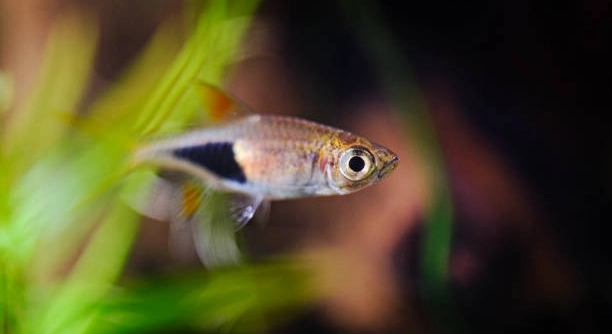
Have you ever noticed your rasboras lingering in one spot for long periods in the aquarium? They often appear calm yet focused, seemingly ignoring other areas of the tank. Their hovering behavior can catch your attention quickly.
Rasboras hover in the same spot primarily due to their natural schooling instincts and environmental comfort. This behavior allows them to conserve energy, maintain social cohesion with other fish, and remain aware of potential threats or food sources in their vicinity.
Observing their patterns closely can reveal more about their preferences and interactions. Learning these behaviors helps improve the overall care and environment of your aquarium.
Why Rasboras Prefer Certain Spots
Rasboras often pick specific spots in the aquarium because they feel safe and comfortable there. The location usually has moderate water flow, good lighting, and nearby plants or decorations to hide among. They instinctively avoid areas where they feel exposed or stressed. Temperature and oxygen levels in these spots are usually stable, which helps them conserve energy. Over time, they return to these favored areas repeatedly, making it look like they are hovering. Sometimes, hovering can also happen near feeding zones, where they expect food or watch other fish eat. Watching them stick to certain spots can teach a lot about their comfort and behavior patterns. It’s important to observe these habits carefully because they give clues about the tank setup and whether adjustments are needed. Understanding their preferences ensures that rasboras remain calm, active, and healthy while avoiding unnecessary stress or agitation from poorly chosen areas.
Rasboras hovering in one spot signals contentment and security. They are drawn to areas that meet their comfort needs, including food availability and shelter.
Recognizing the areas rasboras favor can help optimize your tank layout. Placing plants, hiding spots, or gentle water currents in these zones encourages natural behavior. Overcrowding or sudden changes near these spots can stress the fish, causing erratic swimming or hiding. Consistent feeding schedules around these areas also reinforce their comfort. By observing which spots your rasboras choose, you can improve tank conditions, minimize stress, and maintain healthier, more active fish. Small adjustments, like adding floating plants or adjusting lighting, can make a noticeable difference. These observations are not just about aesthetics—they directly impact the fish’s wellbeing and social dynamics in the aquarium.
How Environment Affects Hovering
Tank conditions heavily influence where rasboras hover. Water temperature, clarity, and gentle currents all contribute to their chosen positions.
If the water flow is too strong, rasboras may avoid open areas, staying near plants or decorations for protection. Light intensity also affects their position, with moderate lighting being preferred to prevent stress. Oxygen-rich areas attract them, especially near surface zones or aeration points. Observing these patterns allows adjustments to create a more natural habitat. Proper placement of plants, rocks, and feeding areas encourages normal schooling and hovering. Over time, these small environmental tweaks make the aquarium feel safer for the fish, promoting calmer, healthier behavior. By carefully monitoring how rasboras interact with their surroundings, owners can maintain a stable, comfortable environment that meets their physical and social needs while reducing stress and promoting consistent activity.
Social Behavior and Schooling
Rasboras are social fish that feel safer in groups. Hovering in the same spot often happens when they stay close to other members of their school. This behavior helps them coordinate movements and reduces stress in the tank.
Schooling instincts drive rasboras to maintain close proximity. When one fish hovers, others often gather nearby to match its position. This synchronization provides a sense of security, as multiple fish together can better detect threats. It also allows them to conserve energy by swimming efficiently in unison. Observing their social patterns can reveal the health and dynamics of the group, as isolated or stressed individuals may behave differently. Adjusting tank arrangements or introducing compatible tank mates can strengthen these natural behaviors. Ensuring enough space and hiding spots allows the school to move and hover comfortably without overcrowding or conflict.
Hovering also serves as a communication tool within the school. Subtle movements and positions signal safety, feeding times, or the presence of stressors. Recognizing these cues helps maintain harmony in the aquarium and keeps rasboras active and healthy.
Feeding Habits and Hovering
Rasboras often hover near food sources, anticipating feeding times. This behavior is instinctive and reflects their natural feeding patterns in shallow waters.
Consistent feeding schedules encourage rasboras to gather and hover in familiar spots. They learn to associate specific areas with food, often staying nearby even when not actively eating. This can be seen around floating plants, tank edges, or feeding zones. Watching them can help determine their preferences and portion sizes, preventing overfeeding or underfeeding. Offering a variety of food types, such as flakes, micro-pellets, or live options, keeps them engaged and promotes natural foraging behaviors. Balancing feeding times with environmental enrichment ensures they remain healthy and reduces boredom or aggression. Properly understanding their feeding habits also informs tank layout adjustments, making the habitat more comfortable and stimulating.
Stress and Environmental Changes
Rasboras hover in one spot when stressed by sudden changes. New decorations, strong currents, or loud noises can trigger this cautious behavior.
Maintaining a stable environment helps reduce hovering caused by stress. Gradual adjustments in lighting, water temperature, and tank setup allow rasboras to adapt without anxiety.
Territorial Behavior
Some rasboras establish small areas they frequent, especially in crowded tanks. Hovering can mark their preferred zone and minimize conflict with others. This behavior is more noticeable among males, who may defend specific spots while maintaining school cohesion.
Health Indicators
Persistent hovering may indicate health issues. Illness, parasites, or poor water quality can make rasboras less active and more stationary. Monitoring behavior alongside water parameters ensures early detection and care.
Why do my rasboras hover near the same plant?
Rasboras naturally seek areas that provide security and shelter. Plants give them a sense of protection from perceived threats and help them feel less exposed. This behavior is normal and shows that your fish are instinctively choosing spots that mimic their natural habitat. Over time, they may prefer one plant over others because it provides better cover, consistent water flow, or favorable lighting. Observing which plant they choose can guide adjustments in tank arrangement, like adding similar plants or creating shaded areas to increase comfort and reduce stress in other parts of the aquarium.
Is hovering a sign of illness?
Hovering alone is not always a sign of illness, but persistent, unusual hovering combined with lethargy, loss of appetite, or abnormal swimming may indicate a health issue. Common problems include parasites, bacterial infections, or stress from poor water quality. Regular water testing for ammonia, nitrites, and nitrates can prevent illness, as stable water conditions are essential. Quarantining new fish and maintaining a clean tank reduce the chance of disease spreading. Observing behavior carefully helps differentiate between normal schooling or comfort-driven hovering and signs of illness that require intervention.
Do rasboras hover when they are hungry?
Yes, hovering can be connected to feeding behavior. Rasboras learn to associate certain areas with food and may wait there in anticipation. This is especially common around floating plants, tank edges, or near feeding zones. Establishing a consistent feeding schedule encourages this behavior and helps you monitor how much your fish are eating. Offering varied food types like flakes, micro-pellets, or live options engages their natural foraging instincts. By understanding their hovering patterns around feeding times, you can prevent overfeeding, reduce stress, and make sure all members of the school get enough nutrition without overcrowding one area.
Why do they hover in the middle of the tank sometimes?
Hovering in open areas can happen when rasboras feel secure in a well-planted or quiet tank. It can also indicate that the water conditions in that zone are optimal, such as stable temperature and oxygen levels. If the middle area has gentle water flow and is away from strong currents or bright lights, they may choose it as a resting spot. Watching these patterns helps you understand where your tank setup is most comfortable for them. Adjusting tank décor, lighting, or plant placement can encourage them to spread out more evenly if needed, balancing comfort with social interactions.
Can hovering be caused by stress from tankmates?
Yes, tankmates can influence hovering. Aggressive or overly active fish may make rasboras stick to one area to avoid conflict. Even fast-moving species can trigger cautious hovering. Ensuring the right mix of peaceful fish and sufficient space reduces stress. Plants, rocks, and hiding spots also provide refuge, allowing rasboras to feel safe while maintaining social interaction. Observing how they interact with different tankmates helps determine whether adjustments are needed to promote natural behavior, reduce conflict, and ensure all fish feel secure.
Will water changes affect hovering behavior?
Water changes can temporarily alter hovering patterns. Sudden changes in temperature, pH, or water chemistry may cause rasboras to linger in familiar spots until they readjust. Performing gradual water changes and matching temperature and pH levels helps them adapt without stress. Observing their behavior before and after changes ensures the adjustments are smooth, maintaining their comfort and health. Consistent maintenance routines support normal hovering patterns and overall wellbeing in the aquarium.
Do rasboras hover more during breeding periods?
Yes, hovering can increase during breeding. Males may patrol certain areas or hover near plants to attract females and establish temporary territories. Females may hover nearby as well, signaling readiness or preference for protected areas to deposit eggs. Providing dense plants or spawning mops allows natural behavior while minimizing stress. Recognizing these periods helps owners support reproduction safely and avoid disrupting normal social dynamics in the school.
Can lighting influence hovering spots?
Lighting affects where rasboras hover. They prefer moderate lighting and may avoid overly bright or dim areas. Floating plants, shaded regions, or adjustable lighting can help create zones they feel comfortable in. Observing their response to different light intensities allows you to optimize the tank for both their comfort and activity levels. Consistent lighting schedules also support natural behavior, reducing stress and helping maintain a healthy day-night rhythm for the fish.
Does tank size impact hovering behavior?
Smaller tanks may force rasboras to hover in specific zones due to limited space, while larger tanks allow more freedom to explore. Overcrowding can make them stick close to plants or corners for security. Ensuring enough room for swimming, proper schooling, and hiding spots helps minimize stress. Observing patterns in both small and large tanks informs adjustments in layout, decoration, and stocking density to maintain comfort and natural behavior.
How long do rasboras typically hover in one spot?
Hovering duration varies based on comfort, social interactions, and environmental conditions. Some may hover briefly between swimming sessions, while others remain in a spot for longer periods when resting, feeding, or feeling secure. Consistent observation over time helps distinguish normal resting behavior from stress-related or health-related stationary behavior. Tracking these patterns also guides adjustments in feeding schedules, plant placement, and tank layout to support healthy, active fish.
Rasboras are fascinating little fish that often draw attention because of their hovering behavior. Watching them linger in one spot can feel like they are quietly observing their surroundings, and it can be both calming and intriguing. This behavior is usually natural and reflects how they interact with their environment. They hover to feel safe, conserve energy, or stay close to their school. Understanding this simple behavior can help aquarium owners create a space that feels secure and comfortable for them. It is also a reminder that even small fish have instincts and preferences that are worth observing and respecting.
Hovering can tell us a lot about their comfort and health. When rasboras hover in familiar spots, it usually indicates they feel safe, the water conditions are good, and their social environment is stable. However, if the hovering seems excessive or is combined with other signs like lethargy, loss of appetite, or erratic swimming, it may point to stress or health issues. Maintaining stable water parameters, proper temperature, and a well-planned tank layout helps prevent stress and encourages natural behavior. Plants, decorations, and hiding spots are not just for aesthetics—they provide areas where rasboras can hover comfortably. By paying attention to their preferred spots, owners can adjust feeding, lighting, and tank design to support both social and individual needs of the fish.
Finally, observing rasboras hover is an opportunity to connect with their behavior and understand their needs better. It is a gentle reminder that fish communicate and react to their environment in subtle ways. Hovering is not just a random action—it reflects instincts, comfort, and social dynamics within the school. By noticing where and why they hover, you can make small changes that improve their wellbeing and create a more harmonious aquarium. Supporting their natural tendencies ensures they remain healthy, active, and stress-free. Taking the time to watch these patterns and respond thoughtfully to their needs enhances the experience of keeping rasboras, making the aquarium a space that both the fish and their caretakers can enjoy.

Hello,
If you enjoy the content that we create, please consider saying a "Thank You!" by leaving a tip.
Every little bit helps us continue crafting quality advice that supports the health, happiness, and well-being of pets around the world, for pets of all shapes, sizes, and species.
We really appreciate the kindness and support that you show us!