
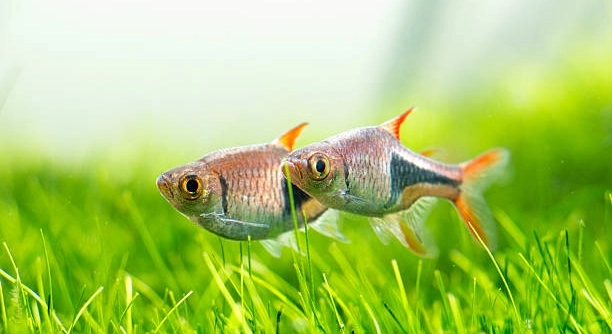
Rasboras are small, colorful fish that often brighten up home aquariums. They are known for their lively movements and social behavior. Many aquarists notice them grouping together and then suddenly scattering around the tank.
Rasboras group primarily for protection and social interaction. When sensing potential threats, changes in light, or disturbances in their environment, they scatter to reduce risk of predation and maintain safety, reflecting natural schooling behavior in the wild.
Observing these patterns can help improve tank setups and care practices. Understanding their behavior ensures a healthier and more harmonious environment for these delicate fish.
Understanding Schooling Behavior
Rasboras naturally form schools to feel safe and coordinated. In the wild, swimming in groups helps them avoid predators and improves their chances of survival. This instinct carries over to home aquariums, where even small disturbances can trigger grouping and scattering. They communicate through subtle body movements and positioning, creating a synchronized pattern. Watching them move together is not just visually appealing but also a sign they feel secure. Changes in light, sudden taps on the tank, or the presence of larger fish can prompt them to scatter. Maintaining a calm environment helps minimize stress. Temperature, water quality, and tank size also affect how they interact. Larger schools tend to display more stable patterns, while smaller groups may be more reactive. Observing their movements provides insight into their health and comfort. Over time, owners learn the signals that indicate whether the fish are stressed or relaxed.
Maintaining proper water conditions reduces unnecessary scattering and promotes natural schooling patterns, making the aquarium more harmonious.
Providing hiding spots, gentle filtration, and consistent feeding routines encourages them to stay grouped longer and reduces sudden panic reactions in the tank.
Environmental Influences on Grouping
Light and noise changes can cause rasboras to scatter suddenly, reflecting their sensitivity to surroundings.
Even minor changes in the aquarium environment influence how rasboras behave. Bright lights, sudden shadows, or vibrations from nearby activity can trigger scattering. Water temperature fluctuations and uneven current from filtration systems also affect their coordination. A consistent routine helps them adapt and feel secure. Inadequate hiding spaces may leave them more exposed, causing abrupt movement. Tank size matters too; overcrowding leads to stress, while a very sparse tank can make them feel isolated. Plants, rocks, and decorations provide both visual barriers and safe spaces, encouraging natural schooling behavior. Feeding schedules influence activity patterns, as sudden food introduction can temporarily disperse them before regrouping. Observing these subtle environmental cues helps owners fine-tune the tank setup, supporting calmer, more predictable behavior. Paying attention to these details ensures a healthier, more enjoyable habitat for the fish while reducing stress-induced scattering.
Feeding and Group Dynamics
Feeding time can temporarily disrupt rasboras’ schooling. They may scatter to compete for food or follow different movements depending on hunger levels.
Rasboras’ scattering during feeding is influenced by both competition and instinct. When food is introduced, stronger or hungrier fish often dart quickly, prompting others to move defensively or follow the motion. Smaller or less dominant fish may be pushed to the edges of the tank, changing the usual group formation. Using slow-release or evenly distributed food can reduce sudden bursts of movement. Over time, rasboras adapt to feeding patterns and learn to regroup quickly after disturbances, minimizing stress and maintaining a calmer environment. Monitoring feeding behavior provides insight into their social structure, health, and overall tank harmony. Properly managing food distribution ensures that all fish receive adequate nutrition without causing unnecessary panic.
Consistent feeding routines and careful placement of food prevent repeated scattering, promoting stable schooling and a more predictable tank environment.
Tank Size and Social Stability
Tank size directly impacts how rasboras group and scatter, affecting comfort and movement patterns.
Smaller tanks limit space for swimming, which can heighten stress and trigger more frequent scattering. Overcrowding disrupts natural schooling, as fish struggle to coordinate movements. Larger tanks allow rasboras to establish territory and maintain group cohesion more effectively. Decorations and plants help create safe zones, breaking up lines of sight and giving fish areas to retreat when needed. Proper tank dimensions also improve water circulation and oxygen levels, which are crucial for their energy and responsiveness. Observing behavior in relation to space can guide adjustments in tank layout, stocking density, and environment enrichment to promote healthier schooling patterns. Maintaining an appropriately sized tank supports social stability and reduces the risk of stress-related health issues.
Stress and Scattering
Stress is a key factor in why rasboras scatter unexpectedly. Sudden movements, loud noises, or aggressive tank mates can trigger this behavior.
Maintaining a calm environment helps reduce stress-induced scattering. Stable water conditions, minimal disturbances, and peaceful companions encourage consistent schooling patterns and improve overall health.
Lighting Effects
Lighting changes influence rasboras’ behavior, causing them to group or scatter depending on intensity and duration. Bright or sudden shifts can startle them, while dim, consistent lighting promotes calmer movement. Adjusting light gradually supports their natural rhythm and reduces abrupt dispersal within the tank.
Tank Decorations
Decorations impact movement and group stability. Plants, rocks, and hiding spots provide security, guiding their swimming patterns. Proper arrangement allows rasboras to feel safe while maintaining their natural schooling behavior, reducing stress and scattering during normal daily activity.
Why do rasboras group together?
Rasboras naturally form schools as a defense mechanism and for social interaction. Grouping helps them feel secure, improves coordination, and reduces the chance of being singled out by potential threats. In home aquariums, this instinct is preserved, and they often swim together in synchronized patterns.
Why do rasboras suddenly scatter?
Scattering is usually a response to perceived threats or disturbances. Sudden movements, vibrations, changes in light, or the presence of more aggressive tank mates can trigger this behavior. It is a natural reaction that ensures safety and mimics their behavior in the wild.
Does tank size affect their behavior?
Yes, tank size plays a major role. Smaller tanks limit movement and can increase stress, making them scatter more often. Larger tanks provide enough space for stable schooling, reduce stress, and allow them to swim naturally. Proper decorations also create safe zones.
How does feeding impact grouping?
Feeding can temporarily break the group as fish move quickly to get food. Stronger or hungrier fish often dart faster, causing others to scatter. Evenly distributing food or using slow-release feeding methods minimizes this disruption and allows rasboras to regroup quickly.
Do water conditions influence their behavior?
Absolutely. Stable water temperature, pH, and cleanliness are essential. Fluctuations in water parameters cause stress, which leads to more frequent scattering. Regular monitoring, partial water changes, and proper filtration help maintain conditions that encourage natural schooling patterns.
Can lighting changes cause scattering?
Yes. Sudden changes in brightness or intensity can startle rasboras. Gradual light adjustments and consistent daily lighting schedules help them feel secure, reducing abrupt dispersal. Dim, stable lighting often promotes calmer, more predictable swimming patterns.
Do decorations and hiding spots matter?
Decorations, plants, and hiding places are crucial. They provide security and visual barriers, guiding movement and reducing stress. Properly arranged items allow fish to retreat if startled while still supporting their natural schooling behavior. Lack of hiding spots can increase anxiety and lead to more scattering.
Does group size affect their behavior?
Yes, larger groups often show more stable schooling. Smaller numbers can make fish more reactive and prone to scattering. Maintaining at least six or more rasboras supports natural social structure and promotes synchronized swimming.
Are certain tank mates better for schooling?
Peaceful, non-aggressive tank mates are best. Aggressive or overly active fish can stress rasboras, causing them to scatter frequently. Choosing calm species helps maintain social stability and ensures that schooling behavior remains consistent.
How can I reduce unwanted scattering?
Reducing sudden disturbances, maintaining stable water conditions, providing hiding spots, and consistent feeding routines all help. Monitoring environmental factors and observing behavior allows adjustments that support calmer, predictable schooling patterns and reduce unnecessary stress in the tank.
Is this behavior harmful to rasboras?
Occasional scattering is normal and not harmful. However, frequent panic due to stress, poor water quality, or aggressive companions can impact health over time. Ensuring a calm, well-maintained environment supports long-term well-being and natural behavior.
How quickly do they regroup after scattering?
Rasboras usually regroup within seconds to minutes, depending on the cause of the disturbance. Calm conditions, familiar surroundings, and consistent routines help them return to synchronized schooling faster. Frequent observation helps owners understand patterns and make environmental improvements.
Do rasboras communicate while schooling?
Yes, through subtle body movements and positioning, they coordinate direction and speed. This non-verbal communication maintains group cohesion, signals stress, and helps them respond to environmental changes efficiently. Observing these cues gives insight into their comfort and health.
Can stress from scattering affect feeding?
Yes, stressed fish may hesitate to eat, compete more aggressively, or avoid food altogether. Reducing triggers like sudden lighting changes, vibrations, or aggressive tank mates improves feeding behavior and ensures all fish get adequate nutrition.
Is it normal for them to scatter at night?
Occasional night-time movement can occur, especially if tank lights are on or disturbances happen nearby. Generally, rasboras rest in dim lighting, but sudden stimuli may trigger brief scattering before they settle again. Maintaining a consistent day-night cycle supports calm behavior.
How can I observe schooling without causing stress?
Minimize sudden movements near the tank, avoid tapping on glass, and observe from a distance. Soft lighting and calm surroundings allow natural behavior without inducing panic. Over time, owners can learn patterns and identify stress signals for timely adjustments.
Do younger rasboras behave differently than adults?
Juveniles may scatter more frequently as they are less experienced and more vulnerable. Adult rasboras usually show more stable schooling patterns. Providing adequate space and gentle conditions helps young fish adapt safely to tank life.
Are there signs of unhealthy schooling?
Yes, erratic swimming, constant scattering, or staying isolated can indicate stress, poor water conditions, or illness. Observing these patterns early allows corrective action, improving overall health and promoting natural group behavior.
Can environmental enrichment improve behavior?
Adding plants, rocks, and other structures reduces stress and encourages natural schooling. Varied environments provide hiding spots and break visual lines, promoting calmer, more predictable movement and reducing unnecessary scattering.
Do rasboras scatter when introducing new fish?
Yes, introducing new tank mates can cause temporary stress and scattering. Gradual acclimation, quarantine, and careful placement of new fish reduce stress, helping existing rasboras adjust and maintain stable schooling behavior.
Is scattering more common in certain rasbora species?
Some species are naturally more skittish than others. For example, Harlequin Rasboras are generally calm, while other smaller, more delicate species may react quickly to disturbances. Understanding species traits helps tailor tank conditions to support stable schooling.
Does tank maintenance affect scattering?
Yes, maintenance activities like water changes or cleaning can temporarily cause scattering. Performing these tasks gently, with minimal disruption, helps rasboras feel secure and allows them to regroup quickly after necessary interventions.
Can diet influence their behavior?
A well-balanced diet keeps rasboras healthy and energetic. Nutritional deficiencies or irregular feeding may increase stress and scattering. Consistent, appropriate feeding routines support natural schooling patterns and overall tank harmony.
Do rasboras ever scatter without obvious reason?
Occasional unexplained scattering can happen as part of natural behavior or minor environmental cues unnoticed by owners. Observing patterns over time helps distinguish normal reactions from stress-induced responses, ensuring appropriate care and a stable environment.
How important is observing their behavior daily?
Daily observation helps detect changes in schooling, stress, and health. Noticing subtle signs early allows adjustments in water quality, tank mates, or environment, promoting stable behavior and overall well-being for the fish.
Can tank placement affect scattering?
Yes, tanks near heavy traffic, loud appliances, or direct sunlight can cause frequent disturbances. Placing the aquarium in a calm, stable location reduces stress, supports natural schooling, and minimizes unnecessary scattering behavior.
Does water flow influence schooling?
Strong currents or uneven flow can disrupt movement and increase scattering. Gentle, even water circulation allows rasboras to swim naturally, maintain group cohesion, and respond calmly to minor environmental changes. Proper filtration setup helps maintain this balance.
Are there ways to train rasboras to scatter less?
Gradual exposure to routine stimuli, consistent feeding, and stable environmental conditions help them adapt. While instinct cannot be eliminated, these measures reduce unnecessary panic and encourage calmer, more predictable schooling patterns in the tank.
Can age affect scattering frequency?
Yes, younger fish are more reactive, while adults tend to display more controlled schooling. Ensuring a stable environment and consistent care allows all age groups to feel secure and reduces unnecessary scattering over time.
How does social hierarchy impact scattering?
Dominant fish can influence the group’s movement. Aggressive or assertive individuals may trigger scattering in others during feeding or perceived threats. Understanding social dynamics helps manage tank setup and reduce stress-induced dispersal.
Is scattering linked to breeding behavior?
During spawning, rasboras may temporarily disperse or swim erratically. This behavior is part of natural reproductive instincts and usually resolves once breeding activity concludes, returning the group to normal schooling patterns.
How long does it take for the group to stabilize after scattering?
Typically, rasboras regroup within seconds to minutes. Calm surroundings, familiar tank mates, and consistent routines help them reestablish schooling faster, reducing prolonged stress and maintaining overall tank harmony.
Does tank lighting schedule influence daily scattering patterns?
Yes, consistent light cycles support natural activity rhythms. Sudden or irregular lighting changes can startle them, causing scattering. Gradual light transitions encourage predictable movement and maintain calmer schooling throughout the day.
Can temperature fluctuations trigger scattering?
Even minor temperature changes can stress rasboras, leading to scattering. Stable, appropriate water temperature is essential for health, natural behavior, and maintaining cohesive schooling patterns. Regular monitoring and proper equipment prevent sudden shifts.
Are there behavioral signs indicating schooling problems?
Erratic swimming, constant isolation, or frequent uncontrolled scattering can indicate stress, poor water quality, or health issues. Early observation allows timely intervention, helping maintain normal schooling behavior and overall fish well-being.
Do environmental noises outside the tank affect behavior?
Yes, vibrations or loud noises can startle rasboras, causing temporary scattering. Placing the tank in a quiet area and reducing sudden external disturbances promotes calm, stable schooling patterns and reduces stress.
How can I help rasboras feel secure in a new tank?
Introduce them slowly, provide hiding spots, and maintain stable water parameters. Gradual acclimation and minimal disturbances help them establish schooling behavior and reduce stress-induced scattering in a new environment.
Does tank water clarity impact their behavior?
Clear water allows better visibility and coordination, supporting schooling. Murky or cloudy water can increase anxiety, leading to scattering. Regular filtration and maintenance ensure optimal water clarity and calm group movement.
Can scattering indicate illness?
Frequent, unusual scattering along with other signs like lethargy, loss of appetite, or unusual coloration can indicate health issues. Observing behavior alongside physical symptoms allows early detection and treatment.
Does the time of day affect scattering?
Activity levels can vary throughout the day. Rasboras are generally more active during daylight and may scatter more in response to routine movements or disturbances. Consistent day-night cycles help regulate natural behavior.
Is schooling behavior inherited?
Yes, schooling instincts are innate, though environmental factors shape their expression. Proper care, stable conditions, and appropriate social groups support natural schooling and reduce unnecessary scattering throughout their life.
Can overcrowding lead to constant scattering?
Yes, too many fish in a tank increases stress and limits space for swimming. This often results in frequent scattering. Ensuring proper stocking density promotes natural schooling and reduces stress-related dispersal.
Are there behavioral differences between male and female rasboras?
Males may be more active during feeding or breeding, occasionally causing brief scattering. Females usually maintain calmer, steady schooling. Observing these subtle differences helps manage group dynamics and tank environment effectively.
Does water hardness affect schooling?
Extreme water hardness can stress rasboras, influencing movement and scattering frequency. Maintaining appropriate hardness levels for the species supports natural behavior and minimizes stress-related disruptions.
How important is tank orientation for schooling?
Front-facing tanks allow better observation of group dynamics. Rear or side-facing tanks can create visual barriers, sometimes causing brief scattering. Proper placement supports natural swimming and reduces unnecessary stress.
Can frequent handling or moving the tank affect behavior?
Yes, moving the tank or excessive handling disturbs water and fish, causing scattering. Minimizing movement and careful handling ensures stable schooling patterns and reduces stress in rasboras.
Do they ever scatter for no reason?
Occasional minor scattering can occur naturally. These brief movements are usually harmless and part of instinctual behavior, as long as other stress indicators are not present. Regular observation helps distinguish normal activity from concerning behavior.
Are there signs that indicate a well-adjusted school?
Stable schooling, coordinated swimming, and minimal sudden scattering are good indicators. Fish appear calm, feed normally, and respond predictably to minor disturbances, reflecting comfort and proper care in the tank.
Can environmental enrichment reduce stress-related scattering?
Yes, adding plants, hiding spots, and varied decorations gives fish security and mental stimulation, reducing panic-induced dispersal and encouraging natural schooling patterns in a controlled, calm environment.
Do rasboras ever change behavior seasonally?
While indoor tanks reduce seasonal effects, subtle changes in temperature or light schedules may slightly alter activity patterns, causing temporary adjustments in schooling and scattering behavior. Maintaining consistency helps minimize these effects.
How can I tell if scattering is harmful?
Frequent, prolonged scattering combined with stress signs, poor feeding, or illness indicates concern. Occasional, brief dispersal is normal, but persistent patterns require assessment of tank conditions, social dynamics, and health.
Does water flow direction impact schooling?
Uneven or strong currents disrupt coordination and trigger scattering. Gentle, consistent flow allows fish to swim naturally, maintain group cohesion, and respond calmly to minor disturbances in the tank environment.
How do I encourage calm schooling in a small tank?
Even in limited space, providing hiding spots, stable water conditions, gentle lighting, and calm tank mates reduces stress and encourages coordinated movement. Careful management of feeding and environmental stimuli supports calmer behavior and minimizes unnecessary scattering.
Do rasboras react differently to frequent visitors?
Yes, constant movement near the tank can startle them, causing brief scattering. Minimizing sudden presence and maintaining calm observation helps them feel secure and maintain consistent schooling behavior.
Can introducing new decorations disrupt schooling?
Yes, sudden changes in layout can trigger scattering temporarily. Introducing items gradually and placing them strategically allows fish to adapt while maintaining stable schooling and reducing stress.
Does noise from filtration or pumps affect behavior?
Excessively loud or irregular equipment can stress fish. Proper setup with quiet, consistent operation reduces scattering and supports natural, calm schooling behavior.
Are some rasboras naturally more skittish than others?
Yes, certain species or individuals are more reactive. Recognizing temperament differences helps in choosing tank mates, placement, and environmental setup to reduce unnecessary scattering and promote stable schooling.
How does water quality monitoring improve schooling?
Regular checks for ammonia, nitrites, nitrates, and pH prevent stress-related scattering. Stable water parameters support health, reduce anxiety, and encourage natural, coordinated swimming in rasboras.
Can temperature, light, and flow be adjusted together to reduce scattering?
Yes, balancing these factors creates a stable, calm environment. Gradual changes, consistent schedules, and gentle currents promote predictable schooling and minimize sudden dispersal, supporting overall fish well-being.
Does social familiarity reduce scattering?
Yes, established groups are calmer and scatter less. Introducing new individuals gradually, maintaining consistent companions, and observing interactions support stable schooling patterns and reduce stress-induced dispersal.
Can daily observation help predict scattering patterns?
Observing routines, feeding responses, and environmental triggers allows owners to anticipate and reduce unnecessary scattering. Understanding these patterns improves tank management and ensures calmer, healthier schooling behavior.
Is there a difference between indoor and outdoor tank schooling?
Indoor tanks provide more stable conditions, reducing stress and scattering. Outdoor setups may introduce unpredictable light, temperature, and disturbances, which can cause more frequent and abrupt dispersal in rasboras.
Do rasboras exhibit synchronized behavior even when scattered briefly?
Yes, even after short bursts of scattering, they quickly regroup and resume coordinated swimming. This reflects their innate schooling instincts and ability to adapt to minor disturbances efficiently.
Can feeding at consistent times reduce scattering?
Yes, regular feeding schedules help fish anticipate food, minimizing frantic movement and temporary scattering. Predictable routines support calmer, more coordinated schooling and reduce stress during daily tank activity.
Does overstocking contribute to chronic scattering?
Overcrowding limits space, increases stress, and disrupts natural schooling. Proper stocking levels allow free movement, reduce conflicts, and maintain cohesive group behavior with minimal unnecessary dispersal.
Can plants influence scattering patterns?
Dense plants provide hiding spaces, reduce stress, and guide swimming paths. Sparse or absent vegetation may increase scattering, as fish feel exposed and less secure in the environment.
Do seasonal temperature shifts affect behavior even indoors?
Minor indoor fluctuations may still influence activity. Rasboras may scatter more if water temperature changes suddenly, but stable equipment and careful monitoring minimize stress and maintain schooling consistency.
How long does it take for new tank conditions to stabilize schooling?
Adjustment varies by fish and environment. Typically, a few days to a week allows them to adapt, establish territory, and return to predictable schooling patterns after changes in layout, water, or companions.
Can stress from scattering affect overall health?
Yes, chronic stress can weaken immune systems, reduce feeding, and increase susceptibility to disease. Reducing triggers and providing a stable, enriched environment supports both behavior and long-term health.
Do they ever scatter when feeding is not involved?
Yes, scattering can occur due to environmental cues, sudden movements, or instinctual responses to perceived threats, independent of feeding or direct disturbances. Observing patterns helps distinguish normal behavior from stress reactions.
Is consistent tank maintenance important for schooling?
Yes, regular cleaning, gentle water changes, and stable equipment prevent stress-induced scattering, maintain water quality, and support healthy, coordinated schooling behavior in rasboras.
Do rasboras scatter more when stressed individually or as a group?
Stress can affect both individually and collectively. An anxious fish may trigger others to scatter, while a calm group can help reduce individual panic. Maintaining a peaceful environment supports overall stability.
Are there subtle signs before scattering occurs?
Twitching, sudden speed changes, or tightening of the group can indicate impending scattering. Observing these signals allows timely intervention to reduce stress and maintain coordinated schooling.
Can seasonal breeding cycles influence scattering?
Yes, breeding behavior can temporarily disrupt schooling, causing erratic swimming or brief dispersal. Providing calm conditions and adequate hiding spots ensures the group returns to normal patterns afterward.
Do rasboras react differently to familiar versus unfamiliar people?
Familiar presence usually causes minimal reaction, while sudden approach by strangers may trigger scattering. Over time, fish can habituate to regular observation, reducing unnecessary panic.
Can scattering indicate environmental imbalance?
Frequent, unexplained dispersal often points to water quality issues, improper tank setup, or inappropriate companions. Monitoring and adjusting the environment ensures safer, more stable schooling behavior.
Does the type of substrate affect movement?
Soft, even substrates encourage natural swimming. Sharp, uneven, or reflective surfaces may stress fish, leading to brief scattering or avoidance of certain areas. Proper substrate choice contributes to calmer group behavior.
How does water chemistry stability affect schooling?
Stable pH, hardness, and temperature minimize stress, support natural coordination, and reduce sudden scattering. Regular testing and careful adjustments help maintain a balanced environment conducive to cohesive schooling.
Can frequent rearranging of decorations cause prolonged scattering?
Yes, abrupt changes in layout disrupt familiar visual cues, leading to repeated scattering.
Rasboras are fascinating fish that display natural schooling behavior, which is both protective and social. Observing their patterns of grouping and scattering can reveal a lot about their comfort and well-being in an aquarium. Grouping helps them feel secure, while scattering is often a response to environmental changes or perceived threats. Both behaviors are instinctual, rooted in their survival strategies in the wild, and they carry over into home aquariums. By paying attention to these patterns, owners can better understand their fish and provide an environment that supports calm, healthy behavior. Recognizing the triggers that cause scattering, such as sudden movements, water disturbances, or aggressive tank mates, is essential to maintaining a harmonious tank.
Maintaining stable water conditions is one of the most important factors in reducing unnecessary scattering. Rasboras are sensitive to changes in temperature, pH, hardness, and general water quality. Sudden fluctuations can increase stress and cause more frequent dispersal. Regular monitoring, consistent water changes, and proper filtration create an environment where the fish feel secure and can maintain normal schooling behavior. Additionally, tank size and layout play a significant role in their movement patterns. Providing enough space to swim freely, along with plants, decorations, and hiding spots, gives them security while encouraging natural behavior. The presence of other peaceful, compatible tank mates also contributes to stable group dynamics and reduces stress-induced scattering.
Feeding routines, lighting, and environmental consistency also have a strong influence on how rasboras behave. Predictable feeding times and evenly distributed food minimize competition and reduce panic during mealtime. Gradual adjustments in lighting and avoiding sudden changes in the tank environment help them feel safe and maintain coordinated swimming. Observing daily behavior, including subtle signs before scattering occurs, allows owners to make small but effective adjustments to their care routine. Over time, creating a calm, enriched, and stable environment ensures that rasboras can display their natural schooling behavior with minimal stress. By focusing on these factors, owners can foster a healthy, visually appealing aquarium where rasboras group naturally and only scatter when truly necessary, reflecting their instinctual patterns in a secure and balanced setting.

Hello,
If you enjoy the content that we create, please consider saying a "Thank You!" by leaving a tip.
Every little bit helps us continue crafting quality advice that supports the health, happiness, and well-being of pets around the world, for pets of all shapes, sizes, and species.
We really appreciate the kindness and support that you show us!