
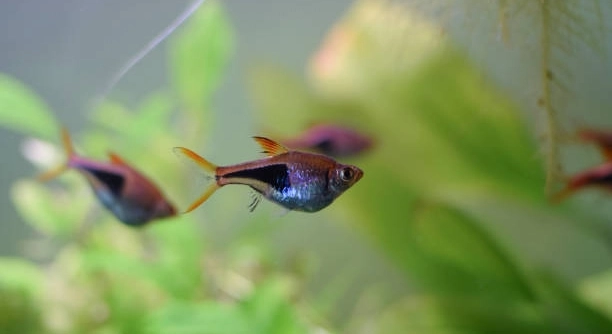
Rasboras are small, active fish often seen darting around in home aquariums. Many aquarists notice their sudden flashes against the glass, creating a shimmering effect that catches the eye and sparks curiosity.
Rasboras flash against the glass primarily due to reflections and perceived threats. This behavior can be triggered by their instinctual response to movement, light changes, or the appearance of other fish, serving as a natural defense mechanism in confined environments.
Observing this behavior can reveal important insights into their environment and well-being, helping owners create a calmer, more comfortable aquarium setting.
Common Reasons Rasboras Flash Against the Glass
Rasboras often flash against the glass due to reflections, sudden movements, or changes in lighting. Their small size and natural instinct make them highly reactive. Bright light reflecting off the aquarium surface can appear as another fish, prompting a quick, shimmering response. External disturbances, such as shadows or nearby movement, also trigger this behavior. Even tapping on the glass or sudden noise can startle them, leading to repeated flashes. These fish are naturally alert, and any perceived threat in their confined space can lead to visible stress responses. Consistent flashing may indicate the fish feel unsafe or overstimulated. Proper placement of the tank away from high-traffic areas and avoiding abrupt changes in lighting can reduce this behavior. Additionally, ensuring they are kept in groups can mimic natural schooling behavior, helping them feel secure. Observing their patterns over time can help identify what specific triggers affect your rasboras the most.
Understanding these triggers allows you to adjust the aquarium environment for calmer behavior.
Managing light placement and minimizing external disturbances can significantly reduce their flashing, creating a more peaceful tank environment.
How Tank Setup Impacts Rasbora Behavior
Tank size and layout play a significant role in rasbora activity. A cramped or sparsely decorated tank can make them feel exposed, increasing flashing. Plants, hiding spots, and gentle decorations provide shelter and reduce stress. Proper water conditions are also essential; temperature, pH, and cleanliness directly affect their comfort.
A well-structured tank helps rasboras establish safe zones and reduces perceived threats. Larger aquariums give them room to school naturally, minimizing sudden, erratic movements. Dense planting near the edges can prevent constant reflections, while mid-level open spaces allow swimming without obstruction. Lighting should mimic natural cycles to prevent overstimulation, as abrupt brightness can trigger flashing. Observing where and when they flash can indicate stress points in the setup. Overcrowding or mixing with aggressive species heightens tension, so keeping compatible tank mates is important. Feeding routines also influence behavior; sudden food drops can startle them if they are unprepared. Gradual acclimation to changes and maintaining a stable, enriched environment encourages calmer, consistent activity patterns. Proper tank design ensures their instinctual responses remain healthy and controlled.
Stress and Health Factors
Flashing can indicate stress or minor health issues in rasboras. Poor water quality, sudden changes in temperature, or inadequate nutrition can all lead to this behavior. Regular monitoring helps prevent long-term problems.
Chronic stress is often visible through repeated flashing, clamped fins, or reduced activity. Water parameters like ammonia, nitrite, and nitrate levels should remain stable, and temperature should match their natural range. Providing a balanced diet with occasional live or frozen food supports their overall health. Overcrowding and aggressive tank mates can also increase stress, so ensuring enough space and compatible companions is essential. Observing behavior closely allows timely interventions before minor issues escalate into serious health problems.
Rasboras may also flash due to internal irritations like parasites or infections. Small, subtle changes in color, appetite, or swimming patterns can indicate underlying problems. Early detection through observation and water testing is key. Treatments such as quarantine, medicated food, or careful water adjustments can help. Stress reduction, combined with proper diet and environment, ensures they recover quickly. Maintaining a calm and consistent tank environment prevents recurring flashing and supports long-term well-being, making the fish more active and comfortable.
Social and Environmental Influences
Rasboras are schooling fish, and their behavior is heavily influenced by companions. Being in small groups or isolated can trigger flashing as a response to perceived danger or imbalance in the school.
Proper social structure reduces stress and encourages natural swimming patterns. A group of at least six to eight individuals allows them to feel secure, minimizing erratic flashes. Environmental enrichment, such as plants, rocks, and gentle water flow, also supports social stability. Sudden changes, like moving tank decorations or introducing new fish without gradual acclimation, can disrupt their group cohesion and provoke flashing. Observing interactions helps identify potential stressors. Adjusting tank layout, maintaining consistent water conditions, and keeping a stable group size enhances comfort. These measures prevent constant flashing and promote healthy social behavior, allowing rasboras to thrive in a controlled aquarium environment.
Light and Reflection Effects
Flashing often occurs when light reflects off the glass or water surface. Bright sunlight, overhead lighting, or camera flashes can trigger this shimmering behavior.
Reducing direct light or using diffused lighting helps minimize reflections. Angling the tank away from windows or bright lamps can prevent sudden flashes caused by perceived threats.
Feeding and Activity Patterns
Rasboras often flash around feeding time due to excitement or competition. Rapid movement and chasing each other can create shimmering streaks along the glass.
Feeding smaller amounts gradually rather than all at once helps control this activity. Scheduled, consistent feeding reduces stress and keeps their energy balanced throughout the day.
Maintaining Calm in the Tank
Providing hiding spots, plants, and stable water conditions encourages calm behavior. A well-planned tank layout reduces triggers for flashing and stress.
Regular maintenance, gentle lighting, and consistent routines help rasboras feel secure. Observing patterns and adjusting the environment ensures they remain active but comfortable.
FAQ
Why do my rasboras flash more at certain times of the day?
Rasboras are sensitive to light and movement. Flashes often increase during bright daylight or when sudden shadows pass over the tank. Morning and late afternoon are common times because natural sunlight can create reflections on the glass. Overhead artificial lights can have a similar effect. Adjusting the lighting schedule or diffusing sunlight helps reduce excessive flashing.
Is flashing always a sign of illness?
Flashing is not always linked to disease. Often, it is a response to reflections, sudden movements, or excitement during feeding. However, if flashing comes with other signs like clamped fins, discoloration, or loss of appetite, it may indicate stress or health issues that require attention.
Can tank placement affect flashing behavior?
Yes, placement is very important. Tanks near windows, high-traffic areas, or near constant vibrations tend to trigger more flashes. Moving the aquarium to a quieter location with indirect lighting reduces stress and minimizes unnecessary flashing.
How many rasboras should I keep together?
Rasboras are schooling fish and feel safest in groups. A minimum of six to eight individuals is recommended. Smaller groups may feel insecure, increasing flashing. Larger groups allow them to school naturally, providing comfort and reducing erratic behavior.
Do tank decorations help reduce flashing?
Yes, hiding spots and plants are essential. Dense plants, rocks, and gentle driftwood give rasboras areas to retreat. This reduces perceived threats and provides a sense of security. Open swimming spaces in the middle of the tank allow normal schooling without constant stress.
Can water quality influence flashing?
Absolutely. Poor water conditions, such as fluctuating pH, high ammonia, or inconsistent temperature, cause stress and can lead to flashing. Regular testing and maintenance are necessary. Stable conditions make rasboras feel safe and reduce erratic movements.
Does feeding style affect flashing?
Yes, the way you feed can trigger flashing. Sudden food drops or overcrowding during feeding can startle fish and lead to bursts of activity. Feeding smaller amounts in multiple spots and maintaining a consistent schedule helps regulate behavior and reduces stress.
Will reflections from equipment cause flashing?
Yes, reflections from filters, heaters, or other tank equipment can mimic other fish or predators. Positioning equipment to minimize glare and using background decor can help reduce unnecessary flashing caused by reflections.
Can tank mates influence rasbora flashing?
Tank mates play a role. Aggressive or fast-moving species can provoke flashing. Choosing peaceful, compatible companions helps maintain calm schooling behavior. Observing interactions ensures your rasboras are comfortable and not constantly reacting to perceived threats.
Is flashing harmful to rasboras?
Occasional flashing is natural and not harmful. Chronic, repeated flashing can indicate stress or poor conditions. Ensuring a stable environment, proper group size, and minimal disturbances protects their well-being and supports healthy, natural behavior in the aquarium.
How long does flashing typically last?
Flashing episodes are usually brief, lasting seconds to a few minutes. If it becomes frequent or prolonged, it is often linked to environmental stress, reflections, or health issues. Monitoring patterns helps identify causes and adjust tank conditions accordingly.
Can I prevent flashing completely?
Completely preventing flashing is unrealistic, as it is a natural response. However, careful tank setup, stable water quality, proper group size, consistent feeding, and minimized reflections greatly reduce excessive flashing, keeping your rasboras calm and comfortable.
Flashing in rasboras is a natural behavior that often reflects their instincts, environment, and social needs. It can be triggered by reflections, sudden movements, changes in lighting, or the presence of other fish. Observing this behavior provides insight into how your fish perceive their surroundings and react to potential stressors. In most cases, occasional flashing is not harmful and can be considered normal activity, especially if your fish are otherwise healthy and active. Understanding the common triggers helps ensure that you are providing the right environment for them to feel secure and confident in their tank.
Proper tank setup plays a crucial role in minimizing unnecessary flashing. Providing a well-sized aquarium, with enough space for schooling behavior, helps rasboras feel safe. Including plants, rocks, and other hiding spots creates a balanced environment where they can retreat if they feel threatened. Stable water parameters, consistent temperature, and regular maintenance prevent stress-related behaviors. Feeding routines also affect activity levels; gradual, consistent feeding reduces sudden bursts of excitement that may lead to flashing. Adjusting lighting to avoid strong reflections or direct sunlight further supports a calm and comfortable habitat. Observing the fish regularly allows you to notice subtle changes in behavior and identify potential issues before they escalate.
Social dynamics and group size are equally important. Rasboras are schooling fish and thrive in groups of six or more, which helps them feel secure and reduces stress-driven flashing. Introducing compatible tank mates ensures harmony and prevents disturbances that may trigger excessive movement. While flashing cannot be completely eliminated, creating a stable and enriched environment minimizes unnecessary stress and allows natural, healthy behavior. By paying attention to water quality, tank layout, social structure, and feeding habits, you can maintain a peaceful aquarium where rasboras are active yet comfortable. Monitoring these factors over time ensures that your fish remain healthy, happy, and display natural behaviors in a safe, well-maintained habitat.

Hello,
If you enjoy the content that we create, please consider saying a "Thank You!" by leaving a tip.
Every little bit helps us continue crafting quality advice that supports the health, happiness, and well-being of pets around the world, for pets of all shapes, sizes, and species.
We really appreciate the kindness and support that you show us!