
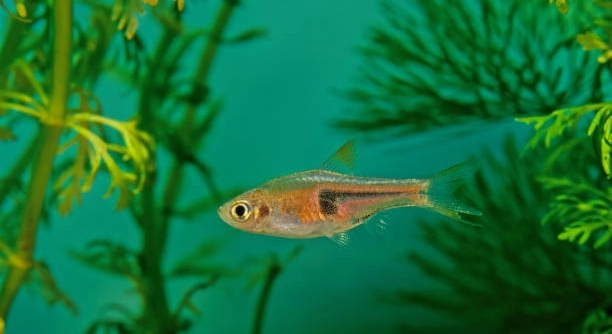
Rasboras are small, peaceful fish often kept in home aquariums. Many aquarium owners notice these fish lining up neatly along the tank walls. This behavior can be both interesting and puzzling to observe.
Rasboras line up in the tank primarily as a natural schooling behavior. They group closely to feel secure and reduce stress, which helps protect them from perceived threats. This alignment also supports their social interaction and navigation within the aquarium environment.
Learning why rasboras behave this way helps improve their care and creates a healthier tank environment. Understanding their habits makes aquarium keeping more rewarding and enjoyable.
Why Rasboras School Together
Rasboras are naturally social fish that feel safer when they swim in groups. This schooling behavior helps them stay alert to any changes in their environment. When they line up, it reduces the chance of being singled out by predators. Even in an aquarium without threats, this instinct remains strong. Schooling also helps rasboras coordinate their movements, making swimming easier and more efficient. They use visual cues from one another to keep pace and direction. The tank walls provide a clear reference point, which encourages them to form straight lines. This behavior can also signal comfort with their surroundings. When the water quality is good and the tank is well-maintained, rasboras tend to show more natural schooling. Seeing them line up is a sign they feel secure and healthy in their environment.
Rasboras rely on grouping behavior to reduce stress and improve survival chances in their habitat.
Their social nature makes it important to keep them in small groups. A tank with fewer than five rasboras might cause them to feel isolated or stressed. Without enough companions, their schooling instinct weakens, leading to unusual behaviors or hiding. Keeping them in groups not only makes their environment more natural but also helps keep them active and vibrant. When you observe a full school, you get to see their graceful, synchronized movements. This harmony also encourages them to explore the tank more, benefiting their overall well-being. Providing plenty of space and hiding spots further supports their comfort. In a well-arranged tank with the right companions, rasboras show their true behavior and personality.
How Tank Setup Affects Their Behavior
Tank size and layout influence how rasboras position themselves.
A cramped tank can cause stress and reduce their natural schooling patterns. When there is limited swimming space, rasboras might bunch up or hide rather than form neat lines. On the other hand, a spacious tank with open areas encourages them to swim freely and line up more clearly. Plants and decorations also play a role; they offer security but should not overcrowd the tank. Proper lighting helps rasboras see each other better, which strengthens their schooling signals. Clean water with balanced temperature and pH levels supports their health and activity. Regular maintenance keeps the tank inviting, so the fish display their typical behaviors. Adjusting the environment to meet these needs improves how rasboras interact and line up in the tank.
Common Triggers for Lining Up
Rasboras often line up when they sense sudden movements or changes in their environment. This reaction helps them stay alert and ready to respond quickly.
Changes like tapping on the glass, sudden light shifts, or new tank mates can prompt this behavior. These triggers activate their natural instincts, encouraging them to group tightly and move as one. This reaction is their way of feeling safer. If the tank is calm and stable, they line up less often but still show this behavior naturally. It is important to observe if the lining up becomes frequent or prolonged, as it may indicate stress or discomfort.
Understanding these triggers helps in creating a peaceful tank environment. Reducing sudden disturbances and maintaining stable conditions lowers stress levels for rasboras. This results in healthier, more relaxed fish that show natural schooling without constant alarm. Keeping the tank quiet during feeding or cleaning helps rasboras feel secure and reduces unnecessary lining up caused by stress.
Benefits of Schooling in Aquariums
Schooling provides several advantages to rasboras in captivity. It increases their confidence, making them less prone to stress and illness.
Swimming together also helps rasboras conserve energy. When they move in coordinated groups, water resistance is reduced, allowing easier swimming. This helps maintain their stamina, especially in smaller tanks. Social interaction is another benefit; it promotes mental stimulation and natural behaviors that keep the fish active and engaged. Without schooling, rasboras may become shy or inactive, which affects their health negatively.
In a well-maintained aquarium, schooling improves the overall tank atmosphere. The synchronized swimming is visually appealing and creates a peaceful vibe. It also helps aquarists monitor the fish better since healthy schools are a sign of good water quality and balanced tank conditions. Providing a proper group size and environment ensures these benefits are fully realized.
Signs of Stress in Rasboras
When rasboras are stressed, they may stop schooling or hide frequently. Stress can cause color fading and erratic swimming.
Poor water quality, overcrowding, or sudden changes often trigger stress. Watching for these signs helps catch problems early and improve their environment quickly.
How to Encourage Natural Schooling
Keeping rasboras in groups of six or more encourages natural schooling behavior. A spacious tank with plenty of open swimming areas supports their movement.
Regular feeding at consistent times also helps. A stable environment with gentle water flow promotes comfort and reinforces their natural grouping instincts.
Lighting’s Role in Behavior
Proper lighting helps rasboras see each other clearly, which supports synchronized swimming and lining up in the tank.
Choosing Tank Mates
Compatible, peaceful fish species reduce stress and allow rasboras to maintain their natural behavior without feeling threatened.
Why do rasboras line up in the tank?
Rasboras line up mainly because of their natural schooling behavior. In the wild, they swim in groups to protect themselves from predators. Lining up closely helps them feel safer and reduces stress. In an aquarium, this instinct remains strong, so they often form neat lines along the tank walls or open spaces.
Is it normal for rasboras to stay in one spot while lined up?
Yes, it is normal. When rasboras feel secure, they may stay still while lined up. This resting behavior allows them to conserve energy while staying alert as a group. However, if they stay motionless for long periods or seem lethargic, it could signal stress or illness.
How many rasboras should I keep to encourage lining up?
It’s best to keep at least six rasboras together. Smaller groups may feel lonely or stressed and might not show natural schooling behavior. A group of six or more encourages synchronized swimming and lining up, making them feel safer and more comfortable.
Can tank size affect rasbora schooling behavior?
Absolutely. A tank that is too small limits their swimming space, making it hard for rasboras to form proper schools. A tank that is at least 20 gallons with open swimming areas encourages natural movement and schooling. Overcrowded or cluttered tanks can disrupt their lining up behavior.
What kind of tank decorations support rasbora behavior?
Rasboras enjoy plants and hiding spots but need enough open space to swim freely. Live plants provide security and mimic their natural habitat. Avoid overcrowding the tank with decorations, which can restrict movement and cause stress, preventing them from lining up properly.
Does lighting impact rasbora schooling?
Yes, lighting affects their ability to see each other and stay coordinated. Moderate lighting that mimics natural daylight helps rasboras maintain their school and line up. Too bright or flickering light can cause stress, while very dim light might make it harder for them to stay together.
Why do rasboras sometimes scatter instead of lining up?
Scattering usually happens when rasboras feel threatened or stressed. Loud noises, sudden movements, or aggressive tank mates can cause this reaction. Improving tank conditions and keeping peaceful companions helps rasboras feel safe enough to school properly again.
Are there signs that rasboras are stressed besides scattering?
Yes. Other signs include faded colors, hiding for long periods, loss of appetite, or erratic swimming. Monitoring these behaviors and checking water quality or tank conditions can help identify stress causes early and improve their environment.
How often should I feed rasboras to support their schooling behavior?
Feeding once or twice daily with high-quality flakes or small pellets is sufficient. Consistent feeding times create a stable environment, encouraging natural routines like schooling and lining up. Avoid overfeeding, as leftover food can harm water quality and stress the fish.
Can rasboras school with other fish species?
Rasboras generally prefer schooling with their own kind. They may swim loosely with other peaceful, similarly sized fish, but tight schooling usually happens only with their own species. Choosing calm tank mates supports their natural behavior without competition or aggression.
What water conditions are best for rasboras?
Rasboras thrive in slightly acidic to neutral pH (6.5 to 7.5) and temperatures between 72°F and 78°F (22°C to 26°C). Stable water parameters and regular maintenance keep them healthy and comfortable, which supports their schooling and lining up behaviors.
Why do rasboras line up along the tank glass?
The tank glass acts as a visual reference point that helps rasboras coordinate their movements. Lining up along the glass can also be a response to reflections or perceived boundaries. It helps them stay close together and maintain their school more easily.
Is lining up a sign of good health in rasboras?
Generally, yes. When rasboras school and line up naturally, it suggests they feel secure and healthy. Lack of schooling or erratic behavior may indicate stress, illness, or poor tank conditions that need attention.
How long do rasboras usually stay lined up?
The length of time varies depending on their comfort and environment. They may line up briefly during feeding or when disturbed but usually swim freely afterward. Prolonged lining up might indicate stress or environmental issues needing correction.
Can sudden changes in the tank cause rasboras to line up more often?
Yes, sudden changes such as new fish, water parameter shifts, or rearranged decorations can increase lining up behavior. These changes trigger their natural defense mechanism. Keeping the tank stable and making changes gradually helps minimize stress.
What should I do if my rasboras stop schooling?
Check water quality, tank mates, and tank size first. Ensure the group is large enough and conditions are stable. If problems persist, look for signs of illness and consider consulting a specialist. Restoring a calm environment often encourages schooling to return.
Rasboras are small fish with a big need for company. Their natural behavior of schooling and lining up in the tank is a sign that they feel secure and comfortable in their environment. When they group together, it helps reduce their stress and makes them feel safer. This behavior is something they carry from the wild, where swimming in groups protects them from danger. In an aquarium, seeing rasboras line up is a healthy sign that they are adapting well and are at ease. It shows that the tank conditions, like water quality, temperature, and space, are meeting their needs.
Creating the right environment for rasboras means paying attention to their social needs as well as the physical setup of the tank. They should be kept in groups of at least six to encourage natural schooling. A proper tank size with open swimming space allows them to move freely and line up as they like. Plants and decorations provide hiding places, which help them feel safe, but these should not overcrowd the tank. Lighting should be gentle and consistent, helping the fish see each other and stay coordinated. Avoiding sudden changes and disturbances keeps stress low, so the fish continue to behave naturally. Taking these steps makes it easier for rasboras to show their beautiful schooling behavior.
Watching rasboras line up in the tank is both calming and fascinating. It’s a clear reminder of their social nature and how important their environment is for their well-being. When rasboras are happy and healthy, their natural instincts shine through, creating a lively and peaceful aquarium. Understanding why they line up helps with their care and allows you to create a better home for them. With proper group size, tank setup, and gentle care, rasboras will continue to display their charming schooling behavior, making your aquarium a pleasant place to watch and enjoy.

Hello,
If you enjoy the content that we create, please consider saying a "Thank You!" by leaving a tip.
Every little bit helps us continue crafting quality advice that supports the health, happiness, and well-being of pets around the world, for pets of all shapes, sizes, and species.
We really appreciate the kindness and support that you show us!