
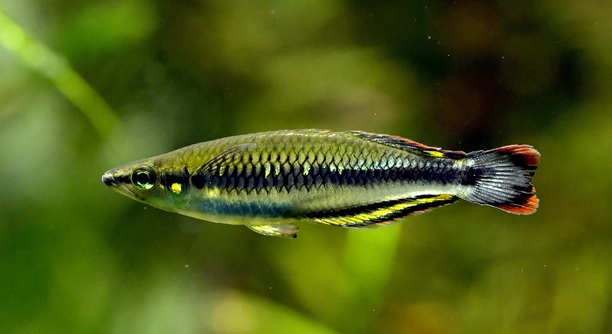
Rainbowfish are small, colorful freshwater fish that brighten many home aquariums. They are often seen gliding near the surface, catching the light on their scales and adding movement to the top layer of water. Their gentle presence is calming.
Rainbowfish hover near the surface primarily to access higher oxygen levels and feed efficiently. This behavior supports respiration and ensures they can reach floating or surface-dwelling food, which is essential for their growth, health, and natural activity patterns in aquariums.
Learning more about this behavior can help aquarium owners create a healthier environment. Observing their surface activity provides insights into their needs and overall well-being.
Feeding Habits and Surface Activity
Rainbowfish often hover near the surface because they prefer eating foods that float or stay near the top of the water. In nature, their diet includes small insects, larvae, and plant matter that drift on the surface. In an aquarium, flakes or floating pellets mimic this natural feeding behavior. Feeding at the top allows them to grab food easily and prevents competition with bottom-dwelling species. Observing their eating habits can help you adjust feeding schedules and portions. Overfeeding should be avoided, as leftover food can pollute the water and reduce oxygen levels. By offering a mix of floating and sinking foods, you can encourage natural activity and keep them engaged. Watching them feed can be satisfying, as they move quickly and coordinate with other fish, showing their social instincts. Maintaining a clean tank and feeding the right amount ensures rainbowfish remain healthy and active near the surface.
Surface feeding keeps rainbowfish active and supports natural instincts.
Balanced feeding affects their energy, growth, and general health. Providing varied diets helps maintain bright colors and natural behaviors.
Tank Setup and Environmental Influence
Proper tank setup influences rainbowfish behavior.
The size of the tank, water temperature, and placement of plants all affect where rainbowfish spend their time. They need open space near the surface to swim freely, along with shaded areas for comfort. Decorations, floating plants, and hiding spots contribute to a safe environment while still allowing access to oxygen-rich water. A well-maintained filter prevents stagnant areas and keeps the water clear. Water temperature should match their natural habitat, typically between 24-28°C, as too much variation can make them restless or sluggish. Observing how rainbowfish interact with plants, other fish, and tank decorations provides clues about comfort levels. A tank that replicates natural conditions encourages natural behaviors like surface hovering, schooling, and feeding. Stability in water quality and environment reduces stress and enhances their colors. By paying attention to these factors, the aquarium becomes a place where rainbowfish thrive, swim confidently, and display the lively, shimmering activity that makes them so captivating to watch.
Light and Temperature Effects
Light levels influence where rainbowfish spend their time.
Rainbowfish are sensitive to both brightness and warmth. Bright light encourages them to stay near the surface where it feels safe, while dim or uneven lighting may make them hide more. Temperature also affects their activity, as warmer water increases swimming speed and surface presence.
Maintaining a consistent temperature between 24-28°C keeps rainbowfish healthy and active. Sudden drops or spikes can stress them, causing erratic swimming or reduced surface activity. Proper lighting enhances their colors, making the top of the tank more appealing. Using a timer for aquarium lights helps simulate a natural day-night cycle, which supports normal behavior. Floating plants can soften light intensity, creating comfortable areas without blocking oxygen access.
Balancing temperature and light ensures rainbowfish remain vibrant and energetic. Consistency allows natural surface behavior without stress or health issues. Observing their reaction to changes provides clues to tank comfort and overall well-being.
Social Behavior and Schooling
Rainbowfish often hover in groups near the surface.
Being schooling fish, rainbowfish feel safer and more confident when together. Their surface activity is partly a social behavior, as they coordinate movements with others. Grouping reduces stress and encourages active swimming.
In a properly sized tank, schools of rainbowfish exhibit synchronized movement near the top. Smaller groups may feel insecure, leading to more hiding or sluggish swimming. Social interactions also affect feeding, as fish compete and mimic each other when grabbing floating foods. Observing the school allows you to understand hierarchy and individual personalities. Providing enough space and hiding spots ensures harmony and minimizes aggression. A balanced environment with healthy water, proper food, and consistent lighting supports both surface activity and social dynamics. Watching them interact gives insight into health, comfort, and stress levels while maintaining the lively, bright appearance typical of rainbowfish.
Feeding Frequency and Surface Time
Frequent, smaller feedings encourage rainbowfish to stay near the surface.
Spacing out meals prevents overeating and keeps the top layer of the tank active.
Water Quality and Surface Behavior
Clean water directly impacts rainbowfish activity. Poor water quality lowers oxygen levels, forcing fish to linger at the surface. Regular water changes, filtration, and monitoring ammonia, nitrite, and nitrate levels maintain a healthy environment. Well-oxygenated water allows rainbowfish to swim throughout the tank, reducing stress and supporting natural behaviors. Observing how they move near the surface provides clues about water quality and overall tank health. Ensuring stable, clean conditions keeps fish vibrant, energetic, and active without frequent surface gasping or lethargy.
Impact of Tank Size
Larger tanks give rainbowfish room to swim freely near the surface.
Seasonal Changes and Behavior
Temperature and daylight variations subtly affect surface activity.
FAQ
Why do rainbowfish spend so much time at the surface?
Rainbowfish hover near the surface mainly to access higher oxygen levels and feed on floating foods. Their natural instincts make them prefer the top layer, where light and warmth are optimal, and movement is easier to detect. Inadequate oxygen or improper water conditions can increase this behavior, signaling a need for adjustments. Observing them helps understand whether it’s natural activity or stress-induced.
Is it normal for rainbowfish to gasp at the surface?
Occasional surface breathing is normal, but frequent gasping may indicate low oxygen or poor water quality. Testing water parameters and improving filtration or aeration can help. Maintaining consistent temperature and cleanliness reduces stress and supports healthy respiration.
How often should I feed rainbowfish?
Smaller, frequent feedings are best. Feeding 2–3 times a day in moderate amounts ensures they get proper nutrition without polluting the water. Floating or slow-sinking foods encourage surface activity and mimic natural feeding patterns. Overfeeding can harm water quality and oxygen levels.
Do tank plants affect surface behavior?
Yes, floating plants provide shade and comfort while still allowing access to oxygen-rich water near the top. Plants can soften bright light, reduce stress, and simulate natural conditions. Live plants also help maintain water quality by absorbing excess nutrients and offering hiding spots when needed.
How does tank size influence surface activity?
Larger tanks allow rainbowfish more freedom to swim at the surface and explore. Overcrowded or small tanks can increase competition for oxygen and food, causing stress and abnormal behavior. Providing ample open space near the top supports natural schooling and feeding habits.
Can water temperature change their surface activity?
Yes, temperature affects swimming speed and energy levels. Warmer water increases activity and surface presence, while sudden drops can make them sluggish. Maintaining a stable 24–28°C range helps rainbowfish stay active and reduces stress, supporting normal surface behavior.
Are rainbowfish more active in groups?
Rainbowfish are schooling fish, so social behavior is key. In groups, they feel safer and display more surface activity. Smaller numbers can make them timid, leading to hiding or reduced movement. Proper group size and spacing encourage coordination, natural schooling, and healthy surface swimming.
Does lighting impact where rainbowfish spend their time?
Light levels influence comfort and visibility. Bright, even lighting encourages surface activity and highlights colors, while uneven or dim lighting can cause hiding. Timers for lights simulate natural day-night cycles, supporting consistent behavior and feeding at the surface.
How do I know if surface hovering is a sign of stress?
Watch for persistent gasping, lethargy, or erratic swimming. Healthy rainbowfish hover calmly and feed actively. Frequent surface clustering without movement may indicate oxygen issues, poor water quality, or inappropriate tank conditions. Addressing these factors restores normal behavior and reduces stress.
Can floating food alone sustain rainbowfish?
No, variety is important. Floating foods encourage surface activity, but a mix of sinking foods ensures balanced nutrition. Including protein, vegetables, and occasional live or frozen foods supports growth, color, and energy levels. Diverse feeding also reduces competition and stress in a group setting.
How often should I check water parameters?
Regular monitoring is essential. Testing ammonia, nitrite, nitrate, pH, and temperature weekly helps detect issues before they affect surface behavior. Stable conditions prevent stress, maintain oxygen levels, and keep rainbowfish active, vibrant, and healthy in the aquarium.
Do seasonal changes affect their surface behavior?
Yes, daylight length and slight temperature changes can influence activity. Longer, warmer days increase surface swimming, while cooler or darker periods may reduce movement. Consistent tank conditions help maintain normal behavior year-round.
Is it necessary to aerate the tank for rainbowfish?
Aeration improves oxygen distribution, especially in densely stocked tanks. Bubblers or filters with strong flow prevent low-oxygen areas and support surface activity. Even with good filtration, supplemental aeration can enhance overall health and energy.
Can surface behavior indicate social dynamics?
Yes, surface interactions often show hierarchy and schooling behavior. Dominant fish may take preferred spots, while others follow. Observing these patterns helps ensure all fish are feeding, active, and stress-free. Proper space and hiding spots reduce conflict and maintain group harmony.
How do I encourage healthy surface behavior?
Maintain clean water, stable temperature, proper lighting, and varied diet. Provide enough open space and floating plants. Feeding small amounts multiple times a day and keeping a group of at least six rainbowfish supports natural instincts. Observing their movement confirms tank conditions are suitable and behavior is healthy.
Final Thoughts
Rainbowfish are naturally active fish that enjoy spending time near the surface. This behavior is not random but tied to their need for oxygen, access to food, and comfort in their environment. Observing them hover at the top of the tank can tell a lot about their overall well-being. When they are active and swimming calmly near the surface, it usually indicates that water conditions, temperature, and oxygen levels are suitable. It also reflects that the fish are comfortable with the tank setup, lighting, and presence of other fish. Maintaining a clean and properly balanced aquarium encourages rainbowfish to display natural behavior without stress, keeping them healthy and vibrant. Regular monitoring of tank conditions, including water quality, temperature, and oxygen levels, helps ensure that the fish continue to thrive. When these factors are maintained consistently, rainbowfish not only survive but also display the lively, shimmering movements and bright colors that make them appealing to watch.
Feeding habits also play a significant role in surface behavior. Rainbowfish prefer small, frequent feedings with a variety of foods that include floating pellets or flakes. This mimics their natural diet, which consists of insects, larvae, and plant matter that drift near the water’s surface. Balanced nutrition supports their growth, energy levels, and coloration. Overfeeding, however, can lead to water pollution and oxygen depletion, which may force the fish to linger even more at the surface in distress. Providing a mix of floating and sinking foods allows them to exercise natural feeding patterns while keeping the tank cleaner. Watching their feeding behavior gives insight into their social interactions and overall health. Rainbowfish often feed in groups, and observing this schooling behavior at the surface can reveal how comfortable and stress-free they are in the aquarium. Proper tank size, open swimming space, and the presence of floating plants enhance these behaviors while providing comfort and safety.
Environmental factors like light, temperature, and tank size directly influence surface activity. Rainbowfish are sensitive to sudden changes in temperature or light levels, which can alter swimming patterns or cause stress. Maintaining a consistent temperature between 24-28°C and using timed lighting helps replicate natural conditions and encourages regular behavior. Larger tanks allow them to swim freely and maintain schooling patterns without conflict, while smaller or overcrowded tanks can increase stress and abnormal surface activity. Floating plants and gentle water flow provide shade, shelter, and oxygen-rich areas near the surface. Regular observation of these factors helps identify when adjustments are needed. In the right environment, rainbowfish hover near the surface naturally, display active swimming, and interact socially without signs of stress. Paying attention to water quality, feeding routines, and environmental stability ensures they remain healthy, vibrant, and lively, making their surface activity a normal and enjoyable aspect of aquarium life.

Hello,
If you enjoy the content that we create, please consider saying a "Thank You!" by leaving a tip.
Every little bit helps us continue crafting quality advice that supports the health, happiness, and well-being of pets around the world, for pets of all shapes, sizes, and species.
We really appreciate the kindness and support that you show us!