
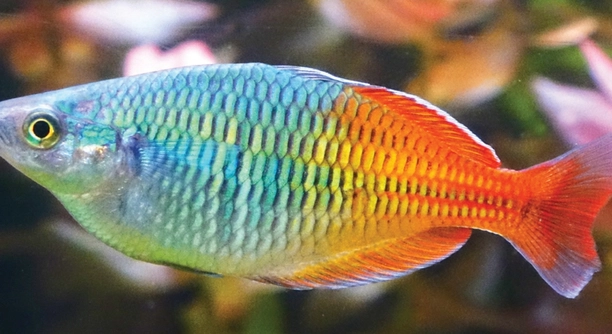
Have you ever watched your rainbow fish and noticed them nipping at each other more than you’d expect from peaceful tank mates?
Rainbow fish nip at each other mainly due to territorial behavior, social hierarchy, and breeding activity. These interactions are often a display of dominance or competition, especially in smaller tanks or when space is limited.
Understanding these patterns can help you create a calmer aquarium environment and support the health and social needs of your rainbow fish.
Understanding Rainbow Fish Behavior
Rainbow fish are active and social by nature, often swimming together in small groups. Their nipping behavior usually happens when they are trying to establish a pecking order. In community tanks, this can be seen as short chases or brief nips aimed at fins. While it may seem aggressive, this type of behavior is often harmless and fades once roles are settled. However, if the tank is overcrowded or lacks enough hiding spaces, the behavior can become more frequent or stressful. Males may also nip more during breeding season to show dominance or compete for attention. Watching their interactions closely can help determine if the behavior is playful, territorial, or becoming a concern.
Not all nipping is a sign of aggression. It can also be a way for them to explore their surroundings and interact.
Keeping the group balanced in terms of male-to-female ratio helps reduce competition and keeps things more peaceful.
Tank Setup and Environmental Triggers
A cramped or poorly decorated tank can make rainbow fish feel stressed, which may cause more nipping. This often happens when fish don’t have enough space to establish territories or find cover.
A minimum tank size of 30 gallons is ideal for a group of rainbow fish. Open swimming space should be balanced with hiding spots made from plants, rocks, or decorations. This gives the fish room to swim freely while also offering areas to retreat when needed. Avoid overcrowding, as too many fish in a small tank leads to competition and stress. It’s also important to maintain clean water and consistent temperatures between 74–78°F. Rainbow fish do best in stable conditions, and even small changes in water quality can influence their behavior. Another important factor is lighting. While they enjoy well-lit tanks, overly bright lights without cover can make them feel exposed. Adding floating plants can help soften the lighting and give them more comfort.
Social Structure and Group Dynamics
Rainbow fish need a well-structured group to thrive. A proper male-to-female ratio, ideally one male for every two females, helps minimize competition and aggressive displays like nipping.
A stable group reduces stress and keeps interactions balanced. When too many males are housed together, they often compete for attention, leading to more nipping and chasing. Female rainbow fish are less aggressive, so adding more females helps calm the tank. If a fish is being targeted too often, consider rearranging tank decorations. This helps break established territories and gives the bullied fish a chance to find a new spot. It also helps to introduce fish in groups rather than one at a time, as this avoids isolating newcomers. Providing enough space ensures that dominant fish don’t control the entire tank, allowing others to swim freely without conflict.
A calm tank depends on maintaining stable social dynamics. Watch interactions daily to prevent stress-related issues.
Signs of Trouble and When to Intervene
If nipping leads to torn fins, missing scales, or hiding behavior, it’s a sign the situation needs attention. These injuries can become infected and lower the fish’s overall health if left untreated.
Start by identifying the fish that’s being bullied and the one doing most of the chasing or nipping. If separating them isn’t possible, rearranging plants and decorations can help shift territories and reduce targeting. Providing more swimming space and shelter can ease tensions. In more serious cases, using a tank divider temporarily may prevent further injuries. Some fishkeepers also find success by adding more fish to distract the aggressive one, but this only works if the tank is large enough. Regular water changes and close monitoring help keep stress down during these changes. Once things calm, slowly reintroduce the separated fish, watching carefully for any return of the aggressive behavior.
Breeding Season Behavior
During breeding season, male rainbow fish often become more active and territorial. Their colors intensify, and they may chase or nip at other males to impress females or defend a chosen area within the tank.
These behaviors are normal but can become stressful in small tanks. Providing more plants and hiding spots helps.
Tank Mates and Compatibility
Rainbow fish do best with other peaceful, fast-swimming species. Avoid slow-moving or long-finned tank mates, as these can become easy targets for nipping. Good companions include danios, rasboras, and other active community fish. Always research each species before adding them to ensure compatibility.
FAQ
Why do rainbow fish nip at each other’s fins?
This behavior is often a display of dominance or competition. Rainbow fish use fin-nipping to establish their place within the group. It happens more in small or crowded tanks where space is limited and hiding areas are few. Nipping can also be linked to breeding behavior, especially among males competing for females. As long as the nipping doesn’t cause injury or stress, it’s usually not a serious issue. However, if you see damaged fins or fish hiding constantly, it may be time to step in and make changes to the environment or group setup.
Is it normal for rainbow fish to chase each other?
Yes, occasional chasing is common, especially among males. It helps them form a social order. This kind of behavior is usually harmless unless it becomes constant or aggressive. If chasing leads to physical damage or causes a fish to hide or stop eating, there may be a problem in the tank setup. Adding more plants and decorations, or adjusting the group’s composition, often helps balance things out. A large enough tank with open swimming space can also reduce the need for one fish to dominate others.
Can rainbow fish live peacefully in a community tank?
They can, as long as they’re paired with suitable tank mates. Rainbow fish prefer fast, active species that don’t have long, flowing fins. Avoid pairing them with fish like angelfish or bettas. Instead, choose danios, rasboras, tetras, or similar schooling fish. Always monitor interactions during the first few days. If signs of stress or aggression appear, you may need to separate the fish or adjust tank decorations. The goal is to create a calm and stable tank where no species feels threatened or overcrowded.
How can I tell if nipping is getting out of hand?
Watch for torn fins, missing scales, or changes in behavior like hiding or skipping meals. These signs suggest the nipping is no longer just social interaction. Fish that are injured can develop infections, which may spread to others. If you see one fish constantly being chased or picked on, consider isolating the aggressive one or rearranging the tank to break up territories. Frequent water testing and proper filtration also support healing and reduce stress for all fish in the tank.
What changes can help reduce aggressive behavior?
Start by increasing tank size and improving layout. Add live or artificial plants, rocks, and caves to give fish a place to hide or retreat. Try to maintain a good male-to-female ratio, especially during breeding season. Feed the fish a balanced diet and stick to a regular light schedule to keep their internal rhythms stable. Avoid sudden changes in water temperature or quality, as these can stress the fish and increase aggression. Sometimes, simply adding more swimming space can calm things down.
Are certain types of rainbow fish more aggressive than others?
Some species like the Boesemani rainbow fish can be more assertive, especially when kept in small tanks or groups with too many males. Other types like the Dwarf or Celebes rainbow fish tend to be more peaceful and less prone to nipping. The tank environment also plays a big role. Even calmer species can show signs of aggression if they feel cramped or stressed. Research the specific rainbow fish species before setting up the tank to better understand their needs and behaviors.
Should I separate fish that won’t stop nipping?
Yes, if the behavior becomes harmful or if one fish is clearly being targeted. A temporary tank divider or a separate tank may give the stressed fish time to heal and recover. In some cases, once things settle, the fish can be reintroduced. Just make sure you monitor closely and don’t rush the process. Keep water conditions stable and avoid overcrowding in either tank. If the issue continues, it might be best to permanently house the aggressive fish separately.
Final Thoughts
Rainbow fish are colorful, active, and social, but their behavior can sometimes be misunderstood. Nipping is one of the most common concerns among owners, especially when keeping a group in a shared tank. While this behavior might seem aggressive, it’s often a natural part of how rainbow fish interact. Most nipping is about establishing social order or attracting mates, not causing harm. However, if the behavior becomes too frequent or results in injuries, it’s important to take action. Watching their behavior regularly helps you catch early signs of stress and keep your tank calm and balanced.
A proper tank setup makes a big difference in reducing aggressive or dominant behavior. Rainbow fish need space, clean water, and peaceful tank mates. A group of at least six helps spread out any chasing or nipping so no single fish is targeted too much. It’s also helpful to include a mix of males and females and provide enough decorations and hiding areas. Live plants, rocks, and driftwood allow fish to break up sightlines and feel safe. Keeping a steady routine and feeding them well also helps lower stress, which can reduce nipping.
When problems do happen, small adjustments can often fix them. Rearranging tank décor, removing an overly aggressive fish, or adding more plants can make the environment more comfortable. Regular maintenance, such as water changes and checking filter systems, helps keep water quality high. Over time, you’ll learn your fish’s habits and be able to spot when something feels off. Every tank is a little different, but with some attention and care, rainbow fish can live peacefully with one another and bring a lot of color and movement to your home. Watching them swim together when things are going well is a good sign you’ve created a healthy, stable space.

Hello,
If you enjoy the content that we create, please consider saying a "Thank You!" by leaving a tip.
Every little bit helps us continue crafting quality advice that supports the health, happiness, and well-being of pets around the world, for pets of all shapes, sizes, and species.
We really appreciate the kindness and support that you show us!