
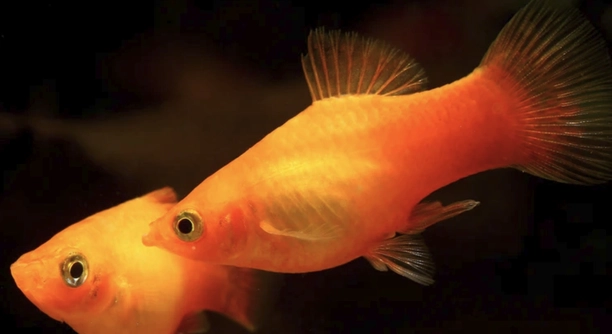
Many platy owners notice their fish swimming in place, which can be puzzling and a little worrying. This behavior might indicate something unusual about the fish’s environment or health. Understanding the reasons behind it can help keep your platys happy.
Platies swim in place primarily due to issues with water quality, stress, or swim bladder problems. These factors affect their ability to move freely and maintain balance. Checking these areas is essential to identify and resolve the cause effectively.
Knowing what to look for when platys swim in place can make all the difference in caring for them properly. Taking the time to observe and adjust their conditions helps maintain a healthy tank environment.
Water Quality Issues
Poor water quality is one of the most common reasons why platies swim in place. When ammonia, nitrite, or nitrate levels rise, fish become stressed and may lose their ability to swim properly. Even small changes in pH or temperature can affect their comfort and health. Regular water testing helps catch these problems early. A dirty tank or infrequent water changes can quickly lead to unsafe conditions. Platys are sensitive to sudden changes, so maintaining a stable, clean environment is crucial. Keeping the water parameters within safe ranges ensures your fish stay active and healthy. If your platy seems stuck in one spot, testing water quality should be the first step.
Water changes and proper filtration are key to keeping your tank healthy. A good filter removes waste and toxins that cause swimming issues.
Keeping the tank clean involves regular partial water changes and monitoring water parameters weekly. Using a water conditioner removes harmful chemicals from tap water. Testing kits are affordable and easy to use, helping you stay on top of the tank’s condition. Stable water conditions reduce stress, allowing your platy to swim normally and enjoy its environment. A healthy tank supports overall fish health and prevents common diseases linked to poor water quality. Regular care keeps your fish swimming happily and actively.
Stress and Environment Factors
Stress affects a platy’s behavior significantly, often causing them to swim in place.
Stress can come from overcrowding, aggressive tank mates, or sudden changes in lighting and temperature. When platys feel threatened or uncomfortable, they may freeze or stay still. Avoid overcrowding by following recommended stocking levels, and choose peaceful tank mates. Keep the lighting consistent and avoid loud noises near the tank. Sudden changes in temperature can also shock fish, so gradual adjustments are best. A calm and stable environment reduces stress, encouraging normal swimming patterns. Sometimes, adding hiding spots like plants or decorations helps platys feel secure. Observing your fish regularly can reveal signs of stress before problems worsen. Ensuring a peaceful environment is vital for their well-being and natural behavior.
Swim Bladder Problems
Swim bladder issues are a common reason platies swim in place or struggle to stay balanced. This organ controls buoyancy, so when it’s affected, fish can float uncontrollably or sink.
Swim bladder problems can result from infections, constipation, or physical injury. Overfeeding or poor diet often leads to constipation, which puts pressure on the swim bladder. Infections caused by bacteria or parasites may also damage this organ. If a platy is having swim bladder trouble, it might float upside down or stay near the surface or bottom of the tank. Feeding high-fiber foods like peas or performing a fast can sometimes help relieve constipation. Treating infections with appropriate medication may also be necessary.
In some cases, swim bladder damage is permanent, and the fish may never swim normally again. Keeping a balanced diet and avoiding sudden changes in water temperature helps prevent these issues. Regular observation helps catch swim bladder problems early and improves the chance of recovery.
Nutrition and Diet
Poor nutrition can cause unusual behavior like swimming in place. Platies need a balanced diet to stay healthy and active.
A diet lacking essential nutrients weakens their immune system and may lead to digestive problems. Feeding them high-quality flake food, supplemented with vegetables or live foods, provides necessary vitamins and fiber. Overfeeding or feeding only one type of food can cause constipation and swim bladder problems. Ensuring portion control and variety supports good digestion and energy levels. Sometimes, a simple diet adjustment improves their swimming and overall health. Proper feeding habits play a big role in preventing many common fish health issues.
Temperature Fluctuations
Sudden changes in water temperature can stress platies, causing them to swim in place. They prefer stable, moderate temperatures between 72°F and 78°F.
Avoid placing the tank near windows or heaters where temperature shifts happen frequently. Consistent temperature helps keep platys comfortable and active.
Tank Size and Space
A tank that is too small or overcrowded can limit platies’ movement. They need enough space to swim freely and explore. Crowded tanks increase stress and reduce oxygen levels, making fish less active. Ensuring a proper tank size and not overstocking helps your platys stay healthy and move naturally.
Illness or Disease
Various illnesses may cause platys to swim in place. Bacterial infections, parasites, or fungal diseases can affect their movement. Look for other signs like discoloration, spots, or lethargy. Early treatment is important to prevent worsening symptoms. Quarantining sick fish protects the rest of your tank.
Checking the Filter
A poorly working filter can cause water quality problems that affect swimming behavior. Check if the filter is clean and functioning well. Replace or clean filter media regularly to maintain good water conditions.
FAQ
Why do my platies swim in place but don’t move around the tank?
Platies swimming in place usually means something is off in their environment or health. It could be poor water quality, stress, or swim bladder issues. When fish feel uncomfortable, they often stay still to conserve energy or avoid danger. Checking water parameters and tank conditions is the best first step. Also, look for signs of illness or injury that might affect movement.
How can I improve water quality for my platies?
Regular water changes, about 25% weekly, help keep toxins low. Use a good filtration system and clean it regularly to avoid buildup. Test water weekly for ammonia, nitrite, nitrate, and pH levels. Remove uneaten food and waste promptly. Adding live plants can help absorb nitrates. Stable and clean water is key for platy health and activity.
Can stress make platies stop swimming normally?
Yes, stress from overcrowding, aggressive tank mates, or sudden environment changes can cause platies to swim in place. They need space and a calm environment to feel safe. Avoid sudden temperature shifts and keep lighting steady. Adding hiding spots like plants can reduce stress and encourage normal swimming.
What diet helps prevent swim bladder problems?
A balanced diet with quality flake food plus vegetables like peas is ideal. Avoid overfeeding, which leads to constipation, a common swim bladder cause. Feeding small portions once or twice a day keeps digestion regular. Occasionally fasting your fish for a day can help clear their system and prevent bloating.
How do I know if my platy has a swim bladder problem?
Signs include floating upside down, sinking to the bottom, or swimming sideways. The fish might struggle to maintain balance or stay in one spot. If you notice these, check diet first and try feeding peas to relieve constipation. If symptoms continue, bacterial infection might be the cause, requiring medication.
Is tank size important for platy swimming behavior?
Absolutely. Platys need at least 10 gallons for a small group to swim comfortably. Small or crowded tanks increase stress and reduce movement. More space allows natural behaviors and better water quality. Overstocking lowers oxygen levels, which can cause lethargy or odd swimming.
Can temperature changes affect my platies’ swimming?
Yes, platys thrive in stable water between 72°F and 78°F. Sudden drops or rises in temperature stress them, causing abnormal swimming like staying still or erratic movements. Avoid placing tanks near heaters or drafty windows. Use a reliable heater and thermometer to maintain steady conditions.
How often should I check my filter?
Filters should be checked weekly to ensure proper flow and cleanliness. A clogged or broken filter reduces water quality, affecting fish behavior. Clean filter media with tank water during maintenance to keep beneficial bacteria alive. Replace media as recommended by the manufacturer to keep the system efficient.
Can illness cause swimming problems in platies?
Yes, bacterial infections, parasites, and fungal diseases can affect swimming. Watch for other symptoms like spots, discoloration, or lethargy. Sick fish often swim less or stay in place. Early treatment with appropriate medication can improve outcomes. Quarantine new or sick fish to avoid spreading illness.
What immediate steps can I take if my platy swims in place?
First, test water parameters and perform a partial water change if needed. Check temperature and adjust to the correct range. Observe your fish for other signs of stress or illness. Review feeding habits to avoid constipation. Make sure the tank isn’t overcrowded or noisy. Taking these actions quickly helps your platy recover and swim normally again.
Platies swimming in place can be a sign that something in their environment or health needs attention. It is important to look at several factors such as water quality, tank conditions, and diet to find the root cause. Keeping the water clean and stable is one of the best ways to support your fish’s well-being. Regular water testing and maintenance help prevent common problems that affect how platies swim. By taking these small but consistent steps, you can create a safe and comfortable space for your fish.
Stress also plays a big role in fish behavior. Platies may swim in place if they feel scared or uncomfortable. Overcrowding, aggressive tank mates, or sudden changes in lighting and temperature can cause stress. Making sure your fish have enough space and a calm environment can improve their activity levels. Adding plants and decorations for hiding spots can help platies feel secure. Watching your fish closely helps you notice early signs of stress and act quickly to fix any issues.
Finally, diet and health must not be overlooked. Feeding your platies a balanced diet prevents constipation and swim bladder problems, which can make swimming difficult. Avoid overfeeding and include vegetables like peas for good digestion. Sometimes illnesses can also cause swimming problems, so it is important to observe your fish for other symptoms and treat them promptly. Overall, paying attention to water conditions, stress, and nutrition will help your platies swim freely and live a healthier life. Keeping up with regular care and observation is the best way to prevent problems and enjoy your fish for years to come.

Hello,
If you enjoy the content that we create, please consider saying a "Thank You!" by leaving a tip.
Every little bit helps us continue crafting quality advice that supports the health, happiness, and well-being of pets around the world, for pets of all shapes, sizes, and species.
We really appreciate the kindness and support that you show us!