
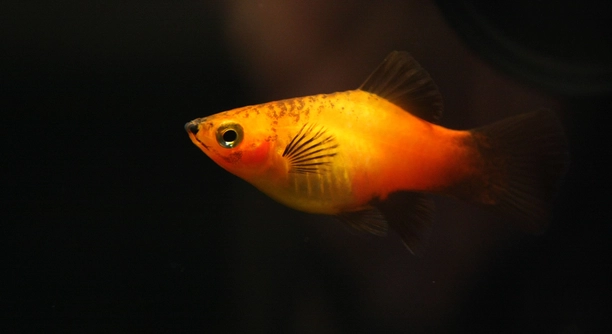
Do you ever find yourself watching your platy swim back and forth, wondering if it means something is wrong or if it’s just a quirky habit?
Platies often swim back and forth repeatedly due to environmental stimulation, natural behavior patterns, or stress factors such as poor water conditions or boredom. This repetitive swimming can signal either healthy activity or underlying discomfort in the tank.
Understanding the reasons behind this behavior can help you create a more suitable environment and improve your fish’s well-being.
Common Reasons for Repetitive Swimming in Platies
Platies often swim back and forth for different reasons, and it’s not always a cause for concern. Sometimes, it’s just a sign they’re active and enjoying their space. They’re naturally curious and love to explore their tank. However, this behavior can also happen when they feel stressed. Poor water quality, overcrowding, sudden changes in temperature, or not enough hiding spots can all lead to discomfort. Even boredom plays a part—without enough stimulation, they may resort to repetitive swimming. It’s important to look at other signs too, like changes in eating habits or faded color. These can help you figure out if the behavior is harmless or a sign something’s wrong. Watching your platies regularly helps you spot changes early. When you understand what might be triggering their actions, it becomes easier to make the right adjustments in their environment and keep them healthy.
This behavior might also occur during mating or feeding times, especially if they’re excited or anticipating food.
Giving your platy a balanced tank setup is one of the most helpful ways to prevent stress. This includes proper filtration, steady water temperature, and a peaceful mix of tank mates. Adding live plants or decorations can also offer places to hide and explore, which keeps them mentally stimulated. Some people also use floating toys or create little current zones with a gentle water pump to give their fish something new to swim through. It doesn’t take a lot to make their space more engaging. Keeping the tank clean and doing regular water changes are key steps that make a noticeable difference in your fish’s behavior. Once the conditions feel just right, most platies will settle down and swim more calmly. It’s rewarding to see them thrive when they feel safe and comfortable in their environment.
When to Be Concerned About the Behavior
Platies that seem unusually frantic or swim non-stop for long periods may be showing signs of discomfort or stress in their tank.
If your platy is swimming back and forth near the glass more than usual, it might be reacting to something in its environment. Constant pacing can be a sign of frustration or confusion, often caused by reflective glass, water imbalance, or sudden changes in lighting or surroundings. It can also signal that something is off in the tank setup—too much noise, strong currents, or even incompatible tank mates. If you notice other signs like clamped fins, hiding, or loss of appetite, then it’s time to check the tank parameters and overall environment. Use a water test kit to measure ammonia, nitrite, nitrate, and pH levels. Keep an eye on how other fish are behaving too. Sometimes, the issue might not be the platy itself but something affecting the tank as a whole. Regular checks and small changes can make a big difference.
How Tank Conditions Influence Platy Behavior
Dirty water, temperature swings, or high ammonia levels can cause platies to feel uneasy. This discomfort often shows up in their swimming patterns. A well-maintained tank keeps them relaxed and less likely to pace constantly near the glass.
Water quality is one of the biggest factors in platy behavior. If ammonia or nitrite levels rise even slightly, it can make them uncomfortable. They might start swimming fast or stay near the surface. Frequent water testing helps you catch these problems early. Keep temperature stable between 72–78°F. Sudden drops or spikes can stress them out. Make sure the filter is working well, but not too strong. Some platies get overwhelmed by fast currents. If your tank looks cloudy or smells off, it’s a sign the water needs attention. Try to clean your tank weekly and change a portion of the water to keep everything balanced.
Lighting and tank decorations also affect your platy’s comfort. Too much light can make them feel exposed, while too little leaves them confused about day and night cycles. Stick to a light schedule of about 8–10 hours per day. Decorations and plants help provide hiding spots, making them feel safer. When they feel secure, they’re less likely to pace nervously. Even the type of substrate matters—dark gravel can reduce reflections that sometimes cause stress. If you notice them swimming into the glass, check for strong reflections or nearby movement outside the tank. Simple changes like adjusting room lighting or adding a background to the tank can reduce stress. A calm, steady environment really helps them settle down.
How Social Factors Affect Their Swimming
Platies are social and prefer being around their own kind. When kept alone or with aggressive fish, they often become nervous. This can lead to pacing or erratic swimming. They feel most at ease in peaceful, well-matched groups.
A good group size for platies is about three to six fish. This allows them to interact naturally without overcrowding the tank. If they’re housed with nippy or fast-moving fish, they may feel threatened and constantly move around to avoid conflict. Watching your platy’s behavior closely can tell you a lot about its comfort level. If it avoids others or becomes overly active, it may be feeling unsafe. Try pairing them with calm tank mates like mollies, guppies, or cory catfish. Male-to-female ratios also matter—too many males can create tension. A ratio of one male to two or three females works well. This helps reduce chasing and keeps the tank calm.
Signs That the Behavior Is Harmless
If your platy swims back and forth for short periods but still eats, plays, and interacts with others normally, it’s likely just being active. Some platies enjoy swimming along the glass out of curiosity or routine.
A healthy platy will have bright colors, clear eyes, and smooth swimming movements. If the pacing happens occasionally and they look alert and relaxed, there’s usually no cause for concern.
Simple Ways to Help Reduce Pacing
Start by checking the water quality and making sure your tank is cycled and stable. Keep a consistent feeding schedule and avoid overfeeding. Add decorations or plants to give your platy something to explore. Rearranging items in the tank from time to time can refresh their environment. Try turning off any nearby lights or screens that may be causing reflections. Make sure the tank is in a quiet spot without too much foot traffic. Small changes can make your platy feel more secure and help stop the pacing.
When to Reach Out for Help
If the pacing becomes nonstop or is paired with signs like gasping, weight loss, or clamped fins, it’s best to speak with an aquatic vet.
FAQ
Why do platies swim back and forth near the glass?
Platies often swim along the glass because they are exploring their environment or responding to reflections. Sometimes, they mistake their reflection for another fish, which can cause repeated pacing. If the glass is clean and the tank conditions are good, this behavior is usually harmless curiosity.
Can repetitive swimming mean my platy is stressed?
Yes, repeated swimming back and forth can be a sign of stress. Common stress triggers include poor water quality, inappropriate tank mates, overcrowding, or sudden changes in their environment. Stress can lead to more serious health issues if not addressed, so monitoring water conditions and tank setup is important.
How can I improve my platy’s environment to reduce pacing?
Improving the environment means maintaining clean water, keeping temperature stable, and ensuring a calm atmosphere. Adding plants, hiding spots, and decorations gives your platy places to explore and feel safe. Also, avoid strong currents and keep lighting consistent. Small, gradual changes help platies adjust without stress.
Is it normal for platies to swim fast sometimes?
Yes, platies may swim fast when excited, feeding, or during mating behaviors. This is natural and usually short-lived. However, if fast swimming continues for long periods or seems frantic, it could indicate stress or poor tank conditions.
Do platies get bored in tanks?
Platies are active fish that enjoy exploring. If their tank lacks stimulation, they may swim repetitively out of boredom. Providing plants, decorations, and sometimes rearranging the tank helps keep their environment interesting and reduces boredom-related pacing.
How often should I clean my platy’s tank?
Regular cleaning is important for your platy’s health. Partial water changes of about 20–30% every week or two keep ammonia and nitrites low. Avoid full cleanings that disturb beneficial bacteria. Testing water weekly helps keep track of tank health.
Can tank mates cause my platy to swim anxiously?
Yes, aggressive or overly active tank mates can stress platies, making them swim nervously. Choose peaceful fish that live well with platies, like guppies or mollies. Watch how fish interact and separate any aggressive individuals.
Does lighting affect platy behavior?
Lighting impacts platies’ daily rhythms. Too bright or constant light may stress them, causing unusual swimming. A light schedule of about 8–10 hours per day mimics natural conditions and helps them stay calm.
What temperature is best for platies?
Platies thrive between 72°F and 78°F. Temperature fluctuations can cause stress and irregular behavior. Use a reliable heater and thermometer to maintain a steady temperature in the tank.
When should I worry about my platy’s swimming behavior?
If your platy swims nonstop without breaks, shows signs like clamped fins, loss of appetite, or unusual spots on its body, it’s time to investigate further. These signs can point to illness or serious stress requiring attention.
Can changes in tank arrangement help stop pacing?
Yes, changing the tank layout can make the environment feel new and stimulating. Moving plants or decorations around encourages exploration and may reduce repetitive swimming. However, avoid sudden drastic changes to prevent more stress.
Is repetitive swimming common in young platies?
Young platies are usually more active and curious, so some back-and-forth swimming is normal. It helps them learn their surroundings. If they seem healthy and eat well, this behavior is likely just part of growing up.
How do I test water quality at home?
Water test kits available at pet stores let you measure ammonia, nitrite, nitrate, and pH levels. Follow the instructions carefully for accurate results. Regular testing helps keep your tank safe and your platy healthy.
Can platies recognize their owners?
While platies don’t recognize people like some pets do, they can learn to associate feeding time and activity near the tank with food. This may make them swim toward the glass when you approach, which can look like pacing.
What should I do if my platy keeps swimming anxiously despite good conditions?
Sometimes, platies have individual quirks or temporary stress. Keep monitoring water and tank mates, provide hiding spots, and maintain a quiet environment. If behavior doesn’t improve, consider consulting an aquatic specialist to rule out health issues.
Platies swimming back and forth repeatedly is a behavior many fish owners notice at some point. It can be caused by different things, ranging from normal activity to signs of stress or discomfort. Often, platies swim this way because they are exploring their space or reacting to reflections in the glass. Sometimes, they might feel a little bored and need more things to do in their tank. By paying attention to their environment and behavior, you can usually tell if the swimming is harmless or if something needs to be changed.
Keeping your platy’s tank clean and stable is one of the best ways to reduce this kind of pacing. Regular water testing and partial water changes help keep the water healthy and comfortable for your fish. Proper temperature and gentle filtration also make a big difference in how relaxed platies feel. Adding plants, decorations, and hiding spots gives them a place to explore and rest, which can stop the repetitive swimming. It’s important to create a calm, safe space where your platy can live without stress from sudden changes or aggressive tank mates.
If you notice your platy swimming back and forth nonstop or showing other signs like loss of appetite, clamped fins, or unusual spots, it may be a sign of stress or illness. In those cases, testing the water and checking the tank setup is the first step. If the problem continues, seeking advice from an aquatic specialist can help. Watching your platy closely and maintaining a good environment are key to keeping them happy and healthy. With a little care, most platies will stop pacing and enjoy their tank just like you want them to.

Hello,
If you enjoy the content that we create, please consider saying a "Thank You!" by leaving a tip.
Every little bit helps us continue crafting quality advice that supports the health, happiness, and well-being of pets around the world, for pets of all shapes, sizes, and species.
We really appreciate the kindness and support that you show us!