
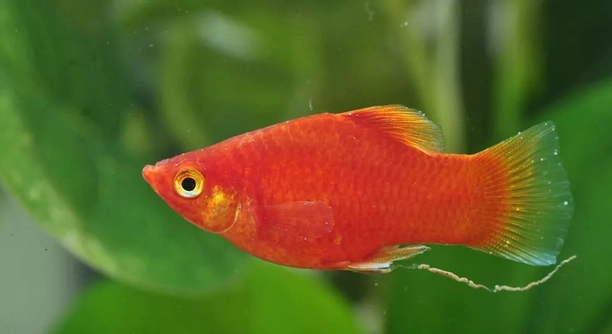
Platies are small, colorful freshwater fish often kept in home aquariums. They are known for their peaceful nature and active swimming patterns. Sometimes, these fish swim in unusual spirals that catch the eye of hobbyists.
Platies swim in spirals mainly due to social interaction, mating behavior, or environmental stimuli. This spiral movement can be a form of communication, courtship, or response to changes in water conditions and tank setup.
Understanding why platies swim this way helps aquarium owners better care for their fish. The following information explains the behavior and its significance.
Why Platies Swim in Spirals
Platies often swim in spirals as a natural behavior linked to their social interactions. This movement can be part of their way to establish dominance or communicate with other fish in the tank. Spiraling can also occur during courtship, when males show off to females. Sometimes, it is a reaction to environmental changes, like water temperature or quality shifts. Observing these patterns gives insight into their health and comfort. When platies swim in spirals, it might indicate they feel secure and active, or it can signal stress if the behavior is excessive. Monitoring their behavior helps maintain a balanced aquarium environment.
This spiral swimming is a normal part of their activity but should be watched closely. If it increases, it might reflect changes in their tank conditions.
Noticing when platies spiral more than usual can help you adjust their care. Proper tank maintenance and social balance reduce stress and encourage natural behaviors. If spiraling is combined with other signs of discomfort, such as hiding or lethargy, it may require testing water parameters or changing tank mates. Providing a stable, clean environment keeps platies happy and active, ensuring their spirals remain a natural and harmless part of their behavior.
Environmental Factors Affecting Spiral Swimming
Environmental changes play a significant role in why platies swim in spirals. Poor water quality, sudden temperature shifts, or overcrowding can lead to unusual swimming patterns. Keeping the tank clean and stable helps prevent stress-related behavior.
Water conditions, including pH level and temperature, should be monitored regularly to ensure they meet the species’ needs. Proper filtration and regular water changes maintain the tank’s balance, which discourages erratic swimming. Overcrowding increases competition for space and resources, sometimes triggering spiral swimming as a sign of agitation or a way to establish territory. By adjusting these environmental factors, you support calmer, more natural fish behavior and a healthier aquarium overall.
Social Behavior and Spiral Swimming
Platies use spiral swimming as part of their social interactions. This behavior helps them communicate, establish dominance, and sometimes attract mates.
When platies swim in spirals together, it is often a way to assert social hierarchy within the group. Dominant males may spiral around females or other males to show strength and status. This activity is common in healthy tanks with balanced populations. However, if one fish is repeatedly chased or isolated, it could indicate stress or bullying. Observing these interactions helps identify if the tank’s social dynamics need adjustment to ensure all fish feel secure.
Spiral swimming also plays a role during courtship. Males perform intricate spiraling movements to gain the attention of females. This behavior is usually temporary and fades after mating. If the spiraling becomes aggressive or constant, it might suggest overcrowding or poor tank conditions. Providing adequate space and hiding spots can reduce stress and maintain peaceful social behavior among platies.
Impact of Tank Size and Decoration
Tank size affects how platies swim and interact. Smaller tanks may lead to more frequent spiral swimming due to limited space and increased interaction.
A cramped environment causes fish to encounter each other often, which can increase social behaviors like chasing and spiraling. Lack of hiding places or plants may heighten stress, causing repetitive swimming patterns. Larger tanks with plenty of decorations give platies room to explore and avoid unwanted encounters. This reduces the need for constant social signaling through spirals. When setting up a tank, consider the number of fish and the available space to prevent overcrowding. Decorations such as plants and rocks help create safe zones that reduce aggressive or stressful behaviors. Maintaining a well-planned environment promotes calmer, more natural swimming patterns.
Stress and Spiral Swimming
Stress can cause platies to swim in spirals more often. Factors like poor water quality, overcrowding, or aggressive tank mates increase stress levels.
When stressed, platies may exhibit repetitive or frantic spiral swimming. This behavior is a sign they are uncomfortable or trying to escape a threat.
Feeding and Spiral Swimming
Platies sometimes spiral when excited about feeding time. The anticipation of food can trigger quick, circular swimming as they compete for attention or food scraps. This is a normal, harmless behavior that shows their eagerness and energy.
Health Concerns to Watch For
Excessive or erratic spiral swimming may indicate health problems. Parasites, infections, or swim bladder issues can affect their movement and balance.
Observing other signs like loss of appetite, lethargy, or visible spots helps identify health issues early. Addressing these promptly improves their well-being and prevents worsening conditions.
FAQ
Why do platies swim in circles or spirals so often?
Platies swim in circles or spirals as part of their natural social and mating behaviors. This movement helps them communicate with other fish, establish dominance, or attract mates. Sometimes, spiraling is a response to environmental stimuli such as changes in water temperature or quality. If this behavior becomes excessive, it could indicate stress or discomfort in the tank.
Is spiral swimming a sign of illness in platies?
Not always. Spiral swimming can be normal behavior, but when combined with other symptoms like lethargy, loss of appetite, or visible physical changes, it may suggest illness. Conditions such as swim bladder disorder, parasites, or infections can cause unusual swimming patterns. Close observation and water testing can help determine if a health problem is present.
Can tank size affect how much platies swim in spirals?
Yes. Smaller or overcrowded tanks increase interactions among fish, which can lead to more frequent spiral swimming. Limited space may cause platies to compete for territory or mates, resulting in these behaviors. Providing a larger tank with hiding spots reduces stress and allows more natural swimming patterns.
Does water quality impact spiral swimming?
Poor water quality can increase stress, leading to erratic or repetitive spiral swimming. Maintaining proper pH, temperature, and cleanliness helps keep platies comfortable. Regular water changes and filtration are essential to prevent behavioral issues caused by unhealthy tank conditions.
Are all spiral swimming behaviors linked to social dominance?
Many spiral movements are part of social dominance displays, especially among males. These behaviors establish hierarchies without serious fighting. However, spiraling can also be related to courtship or environmental responses. Not every spiral swim is about dominance, so it’s important to watch the overall tank dynamics.
How can I reduce excessive spiral swimming in my platies?
Improving tank conditions is the best approach. Make sure the tank is large enough for the number of fish, maintain water quality, and provide plenty of plants or decorations for hiding. Reducing overcrowding and monitoring fish behavior regularly helps keep spiraling within normal limits.
Does feeding time affect spiral swimming?
Platies often swim quickly in spirals during feeding, showing excitement and competition. This behavior is normal and harmless, signaling their eagerness. It usually stops once the fish have eaten.
Can tank mates influence spiral swimming behavior?
Yes. Aggressive or overly active tank mates can stress platies, causing them to swim in spirals more frequently as a way to escape or assert themselves. Choosing peaceful tank mates and maintaining proper stocking levels helps reduce this stress.
When should I be worried about spiral swimming?
Be concerned if spiral swimming is constant, frantic, or paired with other signs like gasping at the surface, hiding, or physical changes. These may indicate illness or poor tank conditions. Early intervention improves the chances of recovery.
Is spiral swimming common in all platy species?
Spiral swimming is observed in most platy species since it is linked to general social and reproductive behaviors. However, individual fish and different species may vary in frequency and intensity depending on personality and environment.
Final Thoughts
Platies are active and social fish that display many interesting behaviors, including swimming in spirals. This movement is a natural part of their communication and interaction with other fish. Whether they are establishing social order, courting a mate, or reacting to changes in their environment, spiraling serves different purposes depending on the situation. It is a behavior that many aquarists notice and wonder about because it stands out compared to the usual swimming patterns of fish. Understanding why platies swim in spirals helps to better interpret their needs and feelings in the tank.
It is important to recognize when spiral swimming is normal and when it might signal a problem. Occasional spiraling during feeding or social interaction is generally harmless and expected. However, excessive or frantic spiraling, especially when combined with other signs like loss of appetite, hiding, or physical changes, may indicate stress or health issues. Factors such as water quality, tank size, and the presence of other fish all influence this behavior. By maintaining stable and clean tank conditions, providing enough space, and ensuring peaceful tank mates, platy owners can minimize stress-related swimming patterns.
In summary, spiral swimming in platies is mostly a normal, natural behavior that reflects their social nature and environmental responses. Paying attention to their behavior allows for timely adjustments in care to support their well-being. A well-maintained aquarium with balanced social conditions helps platies swim comfortably and happily. Observing and understanding their movements, including spiraling, adds to the enjoyment of keeping these colorful and lively fish.

Hello,
If you enjoy the content that we create, please consider saying a "Thank You!" by leaving a tip.
Every little bit helps us continue crafting quality advice that supports the health, happiness, and well-being of pets around the world, for pets of all shapes, sizes, and species.
We really appreciate the kindness and support that you show us!