
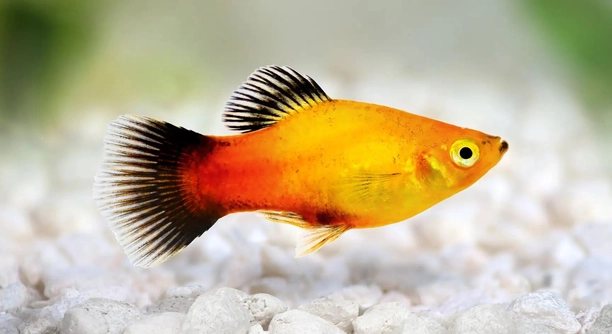
Platies are popular freshwater fish known for their vibrant colors and ease of care. Many hobbyists enjoy breeding them, but sometimes adult platies seem to ignore their fry. This behavior can be puzzling for those new to keeping these fish.
Platies sometimes ignore their fry due to natural instincts, environmental stress, or lack of parental care behavior. Adult platies are not known for nurturing their young and may see fry as competition or food. This is common among many livebearer fish species.
Understanding why this happens can help improve the survival rate of your fry and make your aquarium experience more rewarding.
Why Adult Platies Ignore Their Fry
Adult platies often ignore their fry because they do not have strong parental instincts. Unlike some fish species that guard and care for their young, platies tend to see their fry as separate fish rather than offspring. This means adults may swim away or show no interest once the fry are born. Sometimes, adult platies may even eat their fry, as small fish can be seen as a food source or competition for resources. Stress and overcrowding in the tank can also make adults more likely to ignore or harm their fry. Providing plenty of hiding spaces and a calm environment helps fry survive, but it’s important to remember that adult platies naturally do not care for their young.
Adult platies’ lack of parental care is a natural behavior and not a sign of illness or poor tank conditions.
Understanding this can help you plan better for breeding success and protect your fry from harm.
Protecting Your Fry from Adult Platies
Separating fry from adult platies right after birth is the best way to ensure their safety. Using breeding boxes, nets, or separate tanks can protect the fry from being eaten. Hiding places like plants or small caves help fry stay out of sight. Feeding adults well also reduces the chance they will eat their young because they are less hungry. Fry need special care with smaller, more frequent feedings using food made for baby fish. Keeping the tank clean and water conditions stable improves fry health and growth. By creating a safe space and proper care routine, you can increase the survival chances of your platy fry. Being prepared makes a big difference in raising healthy young fish.
Environmental Factors Affecting Fry Survival
Tank size and cleanliness play a major role in fry survival. Overcrowded or dirty tanks increase stress for both adults and fry, reducing survival chances.
Proper water conditions are vital for fry health. Stable temperature, pH, and clean water help young platies grow strong. Frequent water changes keep ammonia and nitrates low, which is critical for delicate fry. Avoid sudden changes in temperature or water chemistry, as fry are more sensitive than adults. Providing a gentle filter flow prevents fry from being sucked in or stressed by strong currents. A well-maintained environment supports healthy development and reduces fry mortality.
Light levels also affect fry behavior. Too much light may stress them, while too little can limit their feeding activity. Use moderate lighting and plenty of hiding spots to help fry feel secure. Balanced care helps fry adapt and thrive.
Feeding Your Platy Fry
Fry need small, frequent meals to grow well. Specialized fry food or finely crushed flakes provide the right nutrition. Live foods like baby brine shrimp or microworms boost growth and vitality. Feeding four to six times daily helps meet their high energy needs. Avoid overfeeding, which pollutes water and harms fry health. Remove leftover food quickly to keep the tank clean.
As fry grow, gradually increase food size and variety. Balanced nutrition supports strong immune systems and faster development. Regular feeding routines improve survival rates and overall health, setting fry up for success as adult platies.
Recognizing Stress in Adult Platies
Adult platies may ignore their fry when they feel stressed. Stress can come from poor water quality, overcrowding, or aggressive tank mates.
Signs of stress include hiding, erratic swimming, or loss of color. Reducing stress improves overall tank harmony and fry safety.
Preventing Fry from Being Eaten
Separating fry immediately after birth is the most effective way to prevent adults from eating them. Using breeding boxes or separate tanks creates a safe space for fry to grow without danger from adults.
Common Mistakes in Fry Care
Overfeeding, poor water conditions, and lack of hiding places are common mistakes. These issues reduce fry survival and slow their growth. Careful attention to tank setup and feeding routines can prevent these problems.
Signs of Healthy Fry
Healthy fry are active, growing steadily, and have clear fins and bright colors. Monitoring these signs helps ensure proper care and timely adjustments if needed.
FAQ
Why do adult platies sometimes eat their fry?
Adult platies may eat their fry because they see them as competition or food. This behavior is natural for many livebearer fish. If the tank is crowded or food is scarce, adults are more likely to eat the fry. Providing plenty of hiding places and separating fry can reduce this behavior.
How can I tell if my fry are healthy?
Healthy fry are active and swim freely around the tank. They should have clear fins, bright colors, and steadily grow over time. If fry look thin, lethargic, or have damaged fins, it could be a sign of poor water quality or inadequate feeding.
What is the best food for platy fry?
Small, frequent meals of specialized fry food, crushed flakes, or live foods like baby brine shrimp are ideal. Live foods promote faster growth and better health. Avoid overfeeding, which can dirty the tank and harm the fry.
How often should I feed platy fry?
Feed fry about four to six small meals a day. Their tiny stomachs can’t handle large amounts at once, so frequent feeding helps them grow well and stay healthy.
Should I separate fry from adult platies?
Yes, separating fry from adults right after birth improves survival chances. Adults do not care for their young and may eat them. Breeding boxes or separate tanks work well for protection.
What water conditions are best for platy fry?
Keep water temperature steady around 75–80°F (24–27°C) with a pH between 7.0 and 8.0. Regular water changes keep ammonia and nitrates low. Stable conditions help fry grow strong and avoid stress.
Can platies care for their fry at all?
Platies show little to no parental care. Once fry are born, adults usually ignore or may harm them. This behavior is typical and not a sign of a problem in your tank.
How long does it take for platy fry to grow into adults?
Platy fry usually become adults in about three months. Growth depends on good water quality, proper feeding, and a stress-free environment.
Is tank size important for breeding platies?
Yes, larger tanks reduce stress and overcrowding. A minimum of 10 gallons is recommended for breeding pairs and their fry. More space means better water quality and more hiding spots.
What should I do if my fry are not surviving?
Check water quality, feeding routine, and tank conditions first. Separate fry from adults if possible. Provide plenty of hiding places and avoid overfeeding to keep the water clean.
Can I keep platy fry with other fish?
It’s best to keep fry separate from larger or aggressive fish. Other fish may see fry as food. If you want a community tank, provide dense plants or breeding boxes for fry protection.
How do I prevent stress in adult platies?
Maintain clean water, proper tank size, and peaceful tank mates. Stress makes adults more likely to ignore or eat fry. Regular monitoring helps catch problems early.
What plants are good for hiding fry?
Floating plants, Java moss, and dense stem plants provide great cover. These plants give fry places to hide and feel safe from adults.
Can I raise platy fry without live food?
Yes, but live food greatly improves growth and survival. If you don’t have live food, finely crushed flakes or powdered fry food work as substitutes.
How often should I change water for fry tanks?
Change about 20-30% of the water twice a week. Frequent changes keep harmful chemicals low and water clean, which is vital for fragile fry.
Platies are wonderful fish to keep, especially for those interested in breeding them. However, understanding their behavior, especially regarding their fry, is important. Adult platies do not have strong parental instincts and may ignore or even eat their young. This is a natural behavior, not a sign of poor care or illness. Knowing this helps fishkeepers prepare better by creating safe spaces for the fry, like separate tanks or breeding boxes, to improve their chances of survival. Taking these steps makes the breeding experience more successful and less stressful.
Creating a healthy environment is key to raising strong fry. Keeping water clean, maintaining stable temperature and pH, and providing plenty of hiding spots all help fry grow safely. Feeding fry small, frequent meals with appropriate food encourages good growth and reduces problems. Overfeeding and poor water conditions can harm fry and slow their development. Watching for signs of stress or illness in both adults and fry helps catch issues early. With proper care and attention, most problems can be avoided, and your young platies will have a better chance at thriving.
Breeding platies requires patience and learning. The lack of parental care can feel discouraging at first, but with the right setup and routine, raising fry is manageable. Separating fry quickly, offering proper food, and maintaining a calm environment are simple but effective steps. Over time, you will get to know your fish better and feel more confident in handling their needs. Remember, every aquarium is different, and it may take a few tries to find what works best. The reward of seeing your fry grow into healthy adults makes the effort worthwhile.

Hello,
If you enjoy the content that we create, please consider saying a "Thank You!" by leaving a tip.
Every little bit helps us continue crafting quality advice that supports the health, happiness, and well-being of pets around the world, for pets of all shapes, sizes, and species.
We really appreciate the kindness and support that you show us!