
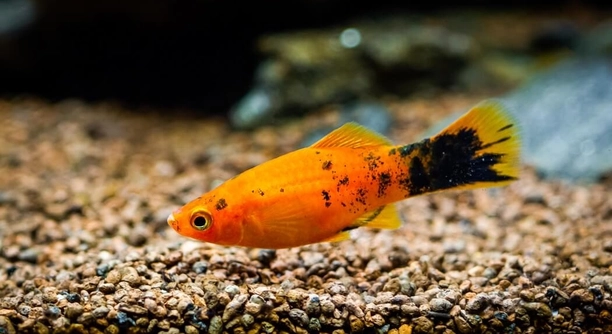
Platies are popular freshwater fish known for their vibrant colors and peaceful nature. Many hobbyists enjoy keeping them in groups, expecting them to swim together and interact naturally. However, sometimes platies refuse to join the group and prefer staying alone or apart from others.
Platies may avoid joining groups due to factors such as stress, territorial behavior, or environmental conditions. Inadequate space, poor water quality, or incompatible tank mates can cause isolation. Additionally, individual personality traits influence social behavior in platies.
Understanding these reasons can help you create a better environment for your platies. Knowing what influences their behavior ensures a healthier and happier aquarium community.
Environmental Factors Affecting Platies’ Group Behavior
Platies are sensitive to their surroundings, and changes in the tank environment often impact their willingness to join the group. Factors such as water temperature, pH levels, and cleanliness play a significant role in their comfort. If the water quality is poor, platies tend to hide or stay apart from others to avoid stress. Overcrowded tanks or insufficient hiding spots can also make them feel threatened, leading to isolation. Lighting intensity and sudden loud noises may add to their discomfort, causing them to seek solitude. Providing a balanced and stable environment encourages social interaction, but neglecting these details often leads to platies avoiding group behavior.
Keeping the water clean and maintaining consistent conditions helps platies feel secure. A well-planted tank with enough space allows them to explore and mingle without feeling overwhelmed.
Addressing environmental issues requires regular tank maintenance and monitoring water parameters. Adding plants and decorations offers hiding places, reducing stress and encouraging social behavior. Observing platies regularly helps identify problems early, ensuring they stay active and engaged with their group.
Personality Differences Among Platies
Individual platies show different temperaments, which influence their social interactions. Some platies naturally prefer solitude, while others enjoy swimming in groups. These personality traits are shaped by genetics and early life experiences. It is important to respect these differences when managing a community tank.
Recognizing these differences helps in creating a harmonious environment.
Personality variations mean some platies will be more dominant or shy than others. Dominant fish may exclude weaker individuals from the group, forcing them to stay apart. Shy platies tend to avoid confrontation and prefer hiding or swimming alone. Introducing new fish gradually and observing interactions helps reduce aggression. Sometimes, mixing platies with other peaceful species improves group dynamics by lowering competition. Allowing each fish to find its own comfort zone promotes a balanced aquarium where all can coexist peacefully.
Tank Size and Space Requirements
Small tanks can make platies feel cramped and stressed. Limited swimming space reduces their willingness to join groups and interact socially.
Providing enough space allows platies to establish territories without constant conflict. A minimum tank size of 20 gallons is recommended for a small group of platies to move freely and avoid overcrowding. When space is tight, fish may hide more often or act aggressively to defend limited territory, causing some to stay apart from the group. Increasing tank size or reducing the number of fish can improve their social behavior and overall health.
Tank decorations and plants should be arranged to create open areas and hiding spots. This setup encourages natural movement and reduces stress, helping platies feel comfortable swimming together.
Compatibility with Other Fish
Platies can be peaceful, but some tank mates may cause stress. Aggressive or overly active fish discourage platies from joining the group.
Choosing compatible species ensures a calm and balanced tank environment. Avoid placing platies with aggressive fish like cichlids or very active species that outcompete them for food and space. Ideal tank mates are other peaceful fish such as guppies, mollies, or tetras that share similar water needs and temperaments. Proper compatibility minimizes stress and supports group cohesion among platies.
Monitoring fish interactions helps identify any bullying or territorial disputes. If problems arise, separating aggressive species or providing more space and hiding places can improve the social dynamic, encouraging platies to interact and join the group more readily.
Stress and Its Impact on Platies
Stress is a major reason platies avoid groups. It can come from poor water quality, sudden changes, or aggressive tank mates.
When stressed, platies hide or isolate themselves to feel safer. Reducing stress improves their willingness to join the group and interact.
Health Issues and Social Behavior
Illness or injury can cause platies to distance themselves from others. Sick fish often become less active and seek solitude to recover.
Recognizing early signs of health problems helps prevent long-term isolation. Regular health checks and prompt treatment encourage platies to rejoin their group.
Feeding Practices and Group Interaction
Uneven feeding can cause competition and tension among platies. When food is scarce or unevenly distributed, some fish may become aggressive or withdrawn.
Ensuring food is spread evenly and feeding multiple times a day reduces competition. This promotes a peaceful atmosphere and encourages platies to interact and swim together.
Lighting and Activity Levels
Lighting affects platies’ activity and social behavior. Too bright or too dim lighting can cause discomfort and isolation.
Adjusting light levels to a comfortable range supports natural behavior and group interaction.
FAQ
Why do platies sometimes swim alone instead of with the group?
Platies may choose to swim alone because they feel stressed or unsafe in their environment. Factors like overcrowding, poor water quality, or aggressive tank mates can push them to isolate themselves. Some platies are naturally more timid and prefer solitude over group interaction. Ensuring a calm tank with enough space and hiding spots often encourages them to join the group more comfortably.
How can I tell if my platy is stressed?
Signs of stress in platies include hiding frequently, loss of appetite, erratic swimming, or faded colors. They may also become less active and avoid other fish. Stress can result from sudden changes in water conditions, aggressive tank mates, or inadequate space. Monitoring these behaviors early helps address problems before they worsen.
Can tank size affect platies’ social behavior?
Yes, tank size plays a significant role in how platies interact. Small tanks limit swimming space and increase competition for territory. This can cause platies to avoid groups to reduce conflict. A larger tank with at least 20 gallons allows them to spread out, establish personal space, and interact more naturally without feeling threatened.
Do platies need specific tank mates to feel comfortable in groups?
Platies thrive with peaceful tank mates that share similar water requirements. Aggressive or very active fish can stress platies, causing them to isolate. Ideal companions include guppies, mollies, and small tetras. Choosing compatible species reduces stress and promotes group cohesion among platies.
How does feeding affect group behavior in platies?
Uneven or infrequent feeding can lead to competition and aggression. Some platies may dominate food sources, while others become withdrawn. Feeding small amounts multiple times a day and spreading food evenly across the tank helps reduce competition. This encourages peaceful social behavior and keeps all platies engaged.
Can health problems cause platies to avoid the group?
Yes, illness or injury often causes platies to isolate themselves. Sick fish usually become less active and hide more as they recover. Early detection of health issues, regular tank maintenance, and prompt treatment help prevent long-term isolation and support the fish’s return to normal social behavior.
What role does tank decoration play in platies’ social interaction?
Decorations and plants create hiding spots and safe areas, which can reduce stress and aggression. Platies use these spaces to feel secure and avoid conflicts. However, too many decorations or overcrowded plants can limit swimming space, discouraging group swimming. A balanced arrangement of open areas and shelters supports healthy social behavior.
Can lighting influence how platies interact?
Yes, lighting affects platies’ activity and comfort. Too bright lighting may cause them to hide or stay apart, while very dim light can reduce their activity levels. Providing moderate, consistent lighting helps platies feel safe and encourages natural swimming patterns and group interaction.
How do personality differences among platies affect their group behavior?
Individual platies have unique temperaments; some are naturally shy, while others are more outgoing or dominant. Dominant fish may exclude others from the group, causing some to stay alone. Recognizing these differences and providing enough space and hiding spots helps all fish find their place within the group without conflict.
What should I do if my platies refuse to join the group despite good conditions?
If all environmental factors are ideal but some platies still isolate themselves, it may simply be due to their personality. Allowing them to stay apart without forcing interaction is often best. Gradual acclimation to tank mates and a peaceful environment can sometimes encourage more social behavior over time, but respecting individual differences is important.
Platies are lively and colorful fish that bring charm to any aquarium. While many enjoy swimming in groups, it is normal for some platies to prefer solitude. This behavior is influenced by various factors such as their environment, health, and individual personality. Understanding why platies refuse to join the group helps in creating better conditions for their well-being. Sometimes it is as simple as providing more space or reducing stress in the tank. Other times, it means respecting the natural differences in how each fish behaves.
Creating a healthy tank environment plays a crucial role in encouraging social behavior among platies. Regular maintenance, proper water quality, and suitable tank mates all contribute to a calm and balanced atmosphere. Providing enough room and hiding spots allows platies to feel safe and comfortable. When they are not stressed, platies are more likely to explore the tank and interact with others. It is also important to monitor their health regularly because illness can lead to isolation. Taking care of these details supports a peaceful aquarium where platies can thrive both alone and in groups.
It is important to remember that platies are individuals with different personalities. Some may never become fully social and prefer to swim alone, while others naturally enjoy group life. Patience and observation help in understanding their needs better. Adjusting the tank setup, feeding routine, and choosing compatible fish can improve group dynamics. However, forcing interaction is rarely successful and may cause more harm than good. Accepting and working with the natural behavior of your platies ensures they live a healthy and stress-free life. This approach creates an environment where both social and solitary platies feel at ease.

Hello,
If you enjoy the content that we create, please consider saying a "Thank You!" by leaving a tip.
Every little bit helps us continue crafting quality advice that supports the health, happiness, and well-being of pets around the world, for pets of all shapes, sizes, and species.
We really appreciate the kindness and support that you show us!