
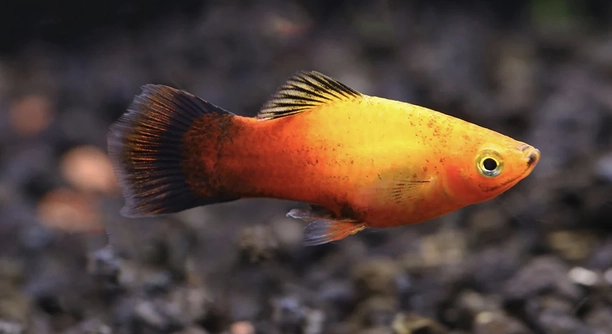
Many fish owners notice their platies floating upside down and wonder what causes this unusual behavior. This can be worrying since it is different from how healthy platies normally swim. Understanding why it happens is important for their care.
Platies float upside down primarily due to swim bladder issues, which affect their buoyancy control. Swim bladder disorders can result from poor water quality, infections, or physical injury, disrupting the fish’s ability to maintain a normal swimming position.
Knowing the causes of this behavior helps in taking the right steps to improve your platies’ health and wellbeing. This article will guide you through the main reasons and what you can do to help.
Common Causes of Swim Bladder Problems in Platies
Swim bladder issues are the main reason platies float upside down. This small organ helps fish control their buoyancy and stay balanced in the water. When it is not working properly, platies can struggle to swim normally. Several factors can lead to swim bladder problems. Poor water quality is one of the biggest. Dirty water or incorrect pH levels can stress the fish and affect their organs. Overfeeding is another common cause. Eating too much or feeding inappropriate food can cause constipation or bloating, putting pressure on the swim bladder. Infections from bacteria or parasites may also damage the swim bladder or surrounding tissues. Physical injury from rough handling or sharp decorations in the tank can harm the swim bladder. Identifying which factor is causing the issue is important to treat it effectively and help your platy recover.
Maintaining clean water and feeding the right amount are simple ways to prevent swim bladder problems.
Being aware of these causes helps you better care for your platies and avoid future health issues.
How to Treat Floating Platies
The first step is to improve water quality by doing regular water changes and testing the tank’s parameters. Feeding your platy a balanced diet with high-quality food is also essential. Avoid overfeeding and remove uneaten food quickly. Sometimes, fasting your fish for a day or two can help clear constipation that affects the swim bladder. Adding a small amount of cooked, peeled pea to their diet can also relieve bloating. If infections are suspected, antibiotics prescribed by a vet or fish expert may be needed. Make sure your tank is safe and free from sharp objects that could cause injuries. Keeping stress low is important, so avoid sudden changes in the environment and keep compatible tank mates. With proper care and attention, many platies recover fully from swim bladder issues. Consistent monitoring is key to ensuring their long-term health and well-being.
Preventing Swim Bladder Issues in Platies
Keeping water clean is the most effective way to prevent swim bladder problems. Regular water changes remove toxins and maintain healthy conditions. Feeding platies a balanced diet with proper portion sizes reduces the risk of constipation and bloating. Avoid sudden changes in water temperature or tank environment to reduce stress.
A consistent care routine makes a big difference in your platy’s health. Test the water regularly for ammonia, nitrite, nitrate, and pH levels to catch problems early. Use a good quality filter and avoid overcrowding the tank. Feeding varied foods, including occasional vegetables, helps maintain digestive health. Gentle handling when cleaning or moving fish prevents injury. These simple steps help keep platies active and swimming normally.
Stress weakens platies’ immune systems, making them more vulnerable to infections that can affect the swim bladder. Keep tank mates peaceful and avoid overcrowding. Ensure plenty of hiding spots so your fish can feel secure. Reducing stress supports better overall health and reduces swim bladder risks.
Signs That Your Platy Needs Help
If your platy floats upside down or struggles to swim upright, it needs attention quickly. Other signs include difficulty swimming, loss of appetite, or lethargy. Look for bloating or unusual body shape changes.
Early detection is key to successful treatment. Monitor your platies daily for any changes in behavior or appearance. Catching problems early means you can adjust care or start treatment before conditions worsen. Sometimes, swim bladder issues resolve on their own with improved care, but persistent symptoms require intervention. Acting fast increases the chances your platy will recover fully.
When to Consult a Veterinarian
If your platy’s condition does not improve after a few days of treatment, it’s time to seek professional help. Persistent swim bladder problems may indicate serious infections or internal damage requiring medication.
A vet can provide accurate diagnosis and prescribe appropriate treatment. Delaying care can worsen your fish’s health, so timely consultation is important.
The Role of Tank Environment
The tank environment plays a crucial role in your platy’s health. Sharp decorations, poor water flow, or overcrowding can cause injuries or stress, leading to swim bladder issues. Regular cleaning and proper tank setup help prevent these problems.
Feeding Tips to Support Swim Bladder Health
Feed your platy small, frequent meals rather than large portions. This helps digestion and reduces the risk of constipation. Include fiber-rich foods like peas occasionally to keep the digestive system working well.
Common Myths About Floating Platies
Floating upside down is often mistaken as a sign of old age or laziness. It actually signals health problems that need attention. Avoid ignoring this behavior to keep your fish healthy.
FAQ
Why is my platy floating upside down suddenly?
Sudden upside-down floating usually means a swim bladder problem. This can happen because of water quality issues, constipation, or an infection. Sometimes, a change in diet or stress can cause this behavior. It’s important to check the tank conditions and feeding habits when you notice this.
Can poor water quality cause platies to float upside down?
Yes, poor water quality is one of the main causes of swim bladder problems. High levels of ammonia, nitrite, or nitrate can stress fish and damage their internal organs. Regular water testing and changes help keep your platies healthy and reduce risks of buoyancy problems.
How does overfeeding affect platies?
Overfeeding can lead to constipation and bloating, which puts pressure on the swim bladder. This pressure affects the fish’s ability to swim upright. Feeding smaller amounts and removing leftover food prevents digestive issues that cause floatation problems.
Can swim bladder problems be cured?
Many swim bladder issues can be treated successfully with proper care. Improving water quality, adjusting diet, and sometimes fasting the fish can help. If infection is present, medication might be needed. However, some cases caused by injury or genetic defects may be permanent.
Is it safe to use antibiotics for swim bladder infections?
Antibiotics should only be used if a bacterial infection is confirmed or strongly suspected. Misusing antibiotics can harm beneficial bacteria in the tank and cause resistance. It’s best to consult a vet or an expert before starting any medication.
What foods help prevent swim bladder problems?
High-quality flake or pellet foods designed for platies are best. Including vegetables like peas (cooked and peeled) helps with digestion. Avoid feeding too many freeze-dried or live foods that may cause bloating. Variety and moderation keep the digestive system healthy.
How often should I change the water to keep my platies healthy?
Changing 20-30% of the tank water once a week is usually enough to keep conditions good. More frequent changes might be needed in small or heavily stocked tanks. Always use a water conditioner to remove chlorine or chloramine.
Can stress cause platies to float upside down?
Yes, stress weakens fish and can lead to swim bladder issues. Stress may come from overcrowding, aggressive tank mates, sudden changes, or poor water quality. Providing a calm and stable environment helps reduce stress-related health problems.
Are there tank decorations that can harm platies?
Sharp or rough decorations can injure fish, leading to infections or swim bladder damage. Smooth decorations and live or silk plants are safer options. Avoid overcrowding the tank with decorations to give fish plenty of space to swim.
When should I separate a floating platy from others?
If your platy is struggling to swim or being bullied, it’s best to isolate it. Separation reduces stress and prevents further injury. A quarantine tank with clean water helps in recovery. Watch the fish closely for signs of improvement.
Can temperature changes cause swim bladder problems?
Rapid or extreme temperature changes can stress platies and affect their digestive system, sometimes leading to swim bladder issues. Keeping the tank at a stable temperature suitable for platies, usually between 72–78°F (22–26°C), is important.
Is it normal for platies to float upside down occasionally?
Occasional brief upside-down floating can happen if a fish is adjusting its position or exploring. However, consistent or prolonged floating upside down is a sign of health problems and needs attention.
How long does it take for a platy to recover from swim bladder issues?
Recovery time varies depending on the cause and treatment. Mild cases may improve within a few days with proper care. More serious cases might take weeks. Persistent problems require veterinary advice.
Can genetics cause swim bladder problems?
Some fish may have inherited swim bladder defects making them prone to buoyancy issues. This is less common but can explain recurring problems despite good care. Breeding from healthy stock helps reduce this risk.
What signs show my platy is getting better?
Improved swimming ability, normal feeding behavior, and increased activity are good signs. The fish should float upright and move normally. Watch for reduced bloating or swelling as well.
Is fasting really helpful for treating swim bladder problems?
Fasting for a day or two can help clear constipation and reduce pressure on the swim bladder. During fasting, monitor your platy closely and then offer a small amount of easily digestible food like peas.
Can other diseases cause similar symptoms to swim bladder problems?
Yes, diseases like dropsy, internal parasites, or infections can cause swelling and buoyancy issues. Proper diagnosis is important to give the right treatment. If unsure, consult a vet or experienced aquarist.
Swim bladder problems are a common reason why platies float upside down. This issue can be worrying, but understanding the causes helps you care for your fish better. Poor water quality, overfeeding, infections, and injuries often lead to swim bladder disorders. By keeping the tank clean and feeding your platy a balanced diet, many problems can be prevented. It is important to watch for signs like difficulty swimming or changes in appetite to catch issues early.
When you notice a platy floating upside down, taking quick action is essential. Improving water conditions and adjusting feeding habits are the first steps. Sometimes fasting the fish or feeding them cooked peas can relieve constipation. If the problem continues, consulting a veterinarian or fish expert may be needed. Swim bladder problems can be treated successfully in many cases, but early care makes a big difference. Avoiding stressful tank conditions and keeping a calm environment also supports your platy’s recovery.
Overall, caring for platies requires attention to their environment and diet. Preventing swim bladder problems means maintaining clean water, feeding properly, and avoiding overcrowding. Watching your fish daily helps you notice any unusual behavior early. Remember that some health issues may need professional help, so don’t hesitate to seek advice. With proper care and patience, your platies can live healthy, happy lives swimming upright and active in your aquarium.

Hello,
If you enjoy the content that we create, please consider saying a "Thank You!" by leaving a tip.
Every little bit helps us continue crafting quality advice that supports the health, happiness, and well-being of pets around the world, for pets of all shapes, sizes, and species.
We really appreciate the kindness and support that you show us!