
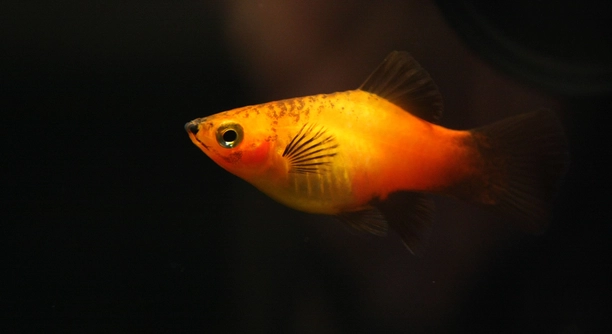
Platies are small, colorful freshwater fish popular in home aquariums. They often swim actively and interact with each other, sometimes bumping or nudging as part of their behavior. Understanding why they do this helps keep them healthy and comfortable.
Platies bump each other mainly to establish social hierarchy and territory within the tank. This behavior is a natural part of their interaction, allowing them to communicate dominance, reduce stress, and maintain a stable environment.
Recognizing these behaviors can improve how you care for your platies and create a peaceful aquarium atmosphere. This article will explain what drives this bumping and how to manage it effectively.
Understanding Social Behavior in Platies
Platies are naturally social fish that communicate through body language and movement. When they bump each other, it is usually a way to establish a pecking order or social ranking within the group. This behavior helps reduce prolonged conflicts by making clear who is dominant. It can also be a way to test boundaries, especially when new fish are introduced to the tank. Sometimes, the bumping is gentle and brief, while other times it can be more assertive, depending on the fish’s temperament. Recognizing these signs allows you to monitor their interactions and ensure no one is being overly stressed or injured. Providing enough space and hiding spots in the tank can help reduce aggressive encounters. This natural social behavior is important for their mental and physical well-being, helping them feel secure in their environment.
Social interactions through bumping help platies keep peace within their groups and prevent long-lasting fights.
Knowing why platies behave this way can guide tank setup and improve the overall harmony among your fish. Ensuring a balanced group size and avoiding overcrowding limits stress. A spacious aquarium with plants and decorations creates zones where fish can retreat when needed. Monitoring their behavior over time can also reveal if one fish is being bullied, which may require separating that individual. Understanding these patterns not only keeps your platies safer but makes watching them much more enjoyable.
Tank Conditions That Influence Bumping
Tank size and environment play a big role in how often platies bump each other.
A crowded or poorly arranged tank can increase stress and trigger more bumping as fish compete for space. If the aquarium is too small, platies have fewer places to escape or hide, which can lead to more frequent confrontations. Clean water and stable water parameters also reduce irritation and aggression among fish. In contrast, a well-maintained tank with proper filtration, regular water changes, and ample space encourages calmer behavior. Temperature and pH levels suited to platies’ natural preferences help maintain their health and reduce stress-driven bumping. Watching your tank setup closely and making adjustments to water quality or layout can greatly affect how peaceful your platies are.
Proper tank conditions reduce stress and help platies coexist peacefully, minimizing bumping and aggression.
Signs of Aggressive Bumping
Aggressive bumping is more intense and frequent than normal social nudging. It can lead to injury if left unchecked.
Aggressive bumping usually involves rapid chasing, repeated nudging, and fin biting. Fish may appear stressed, hiding more often or showing torn fins. This behavior often occurs when there is overcrowding or when incompatible fish share the tank. Monitoring your platies regularly helps catch these signs early. Addressing aggressive behavior quickly prevents harm and maintains a balanced community.
To reduce aggression, consider rearranging decorations or adding plants to create more hiding spots. Separating the most aggressive fish temporarily can help calm the group. Proper feeding and tank maintenance also minimize competition and stress, reducing aggressive bumping.
Impact of Gender and Group Size
Male platies tend to be more territorial and bump others more often than females.
Having too many males in one tank can increase aggressive bumping because they compete for dominance and mating opportunities. A good ratio of females to males, such as two or three females per male, helps balance this behavior. Group size also matters—small groups may lack social structure, while very large groups can cause overcrowding stress. Keeping a moderate group size with balanced genders supports peaceful interactions and reduces unnecessary bumping. Adjusting your tank’s population can improve harmony and make your platies more comfortable.
How Feeding Affects Bumping
Feeding time can increase bumping as platies compete for food.
Uneven feeding or overcrowding during meals often causes more pushing and nudging. Ensuring all fish get enough food reduces this behavior and stress.
Reducing Stress to Limit Bumping
Stress makes platies more likely to bump aggressively. Keeping water clean, stable, and providing hiding spots lowers stress levels. Regular tank maintenance and avoiding sudden changes improve their overall comfort, which helps reduce bumping.
When to Separate Platies
Separation is necessary if bumping causes injuries or constant stress. Isolating aggressive fish temporarily allows them to calm down and prevents harm to others.
Effect of Tank Mates on Bumping
Other fish species can influence platies’ behavior. Aggressive tank mates may trigger more bumping, while peaceful species help maintain calm interactions.
FAQ
Why do platies keep bumping each other so often?
Platies bump each other to establish social order and communicate dominance. This is a natural way for them to maintain peace and reduce long fights. Sometimes they test boundaries, especially when new fish join the tank. The frequency depends on group size, gender ratio, and tank conditions.
Is bumping harmful to platies?
Bumping is usually harmless when it is light and occasional. However, if it becomes aggressive or constant, it can cause injuries such as torn fins or stress. Monitoring their behavior is important to prevent harm. If bumps turn into chasing or biting, action should be taken.
How can I tell if bumping is aggressive or normal?
Normal bumping is brief and gentle, often followed by calm swimming. Aggressive bumping includes rapid chasing, repeated nudging, and biting. Fish may hide more or show damaged fins. Watching for these signs helps decide if intervention is needed.
Can tank size affect bumping behavior?
Yes, small or overcrowded tanks often increase bumping due to limited space and competition. Larger tanks with enough hiding places allow platies to avoid each other when needed, reducing stress and aggression. Proper tank size is key to peaceful behavior.
Does the number of males versus females affect bumping?
Male platies are more territorial and likely to bump each other to show dominance. Keeping a ratio of two or three females per male reduces aggressive bumping. Balanced group size and gender ratio create a more harmonious environment.
What role does feeding play in bumping?
Feeding time can increase bumping as platies compete for food. Uneven feeding or limited food can cause pushing and nudging. Feeding small amounts more often and spreading food evenly helps reduce this behavior.
Should I separate platies that bump aggressively?
If bumping causes injuries or continuous stress, separating aggressive individuals temporarily is recommended. This allows the fish to calm down and prevents harm to others. Reintroducing them gradually and adjusting tank conditions can improve coexistence.
Can other fish species influence platy bumping?
Yes, aggressive or territorial tank mates can increase stress and bumping among platies. Peaceful species usually help maintain calm. Choosing compatible tank mates is important for reducing stress-related behaviors.
How can I reduce bumping in my tank?
Providing enough space, hiding spots, and balanced group ratios reduces bumping. Maintaining clean, stable water conditions lowers stress. Regular observation and adjusting feeding habits also help keep your platies calm and healthy.
Is bumping a sign of illness in platies?
Bumping itself is not a direct sign of illness. However, stressed or sick fish may bump less or behave differently. Sudden changes in bumping patterns could indicate health issues or poor tank conditions, so it’s good to monitor overall fish behavior closely.
Do platies stop bumping as they grow older?
Platies may bump less frequently as social hierarchies settle over time. However, occasional bumping continues as part of their social communication. Ensuring a stable environment helps keep interactions calm as they mature.
What tank decorations help reduce bumping?
Plants, rocks, and hiding spots create separate areas where fish can retreat and reduce confrontations. Rearranging decorations occasionally also prevents territory from becoming too established, which can lower aggressive bumping.
How often should I check my platies for signs of stress or injury?
Daily or every few days is ideal for spotting early signs of stress or injury. Early detection allows timely action to prevent worsening behavior or health problems. Routine tank maintenance supports this process.
Can platy bumping be a sign of breeding behavior?
Sometimes males bump females or rivals during mating displays. This behavior is usually less aggressive and involves following or nudging rather than harmful chasing. Understanding this helps distinguish breeding from aggressive bumping.
What water conditions best support peaceful platy behavior?
Stable temperature around 72–78°F, pH between 6.8 and 8.0, and clean water reduce stress and aggression. Consistent maintenance and avoiding sudden changes help platies feel secure and limit bumping due to irritation.
Final Thoughts
Platies bumping each other is a natural behavior that serves important social functions. It helps them establish dominance, maintain order, and communicate within their group. While it may look concerning at times, gentle bumping is usually harmless and part of their everyday interaction. Understanding this behavior allows you to better care for your fish and recognize when it becomes a problem. Providing a comfortable environment with enough space and hiding spots helps reduce unnecessary bumping and promotes peaceful coexistence.
Maintaining good tank conditions is key to minimizing stress-related bumping. Overcrowding, poor water quality, and an improper male-to-female ratio can increase aggression and bumping frequency. Paying attention to these factors and making adjustments as needed will help your platies feel secure. Regular feeding routines, balanced group sizes, and suitable tank mates also contribute to a calmer aquarium. Watching your fish closely and intervening when aggressive behavior arises ensures the health and safety of all your platies.
Overall, bumping among platies is a normal part of their social life, but it requires monitoring. When the behavior becomes aggressive or causes injury, changes to tank conditions or separating certain fish may be necessary. By creating a stable, spacious, and well-maintained environment, you can support peaceful interactions and enjoy watching your platies thrive. Keeping these points in mind will help you maintain a happy and healthy aquarium where your platies can live comfortably together.

Hello,
If you enjoy the content that we create, please consider saying a "Thank You!" by leaving a tip.
Every little bit helps us continue crafting quality advice that supports the health, happiness, and well-being of pets around the world, for pets of all shapes, sizes, and species.
We really appreciate the kindness and support that you show us!