
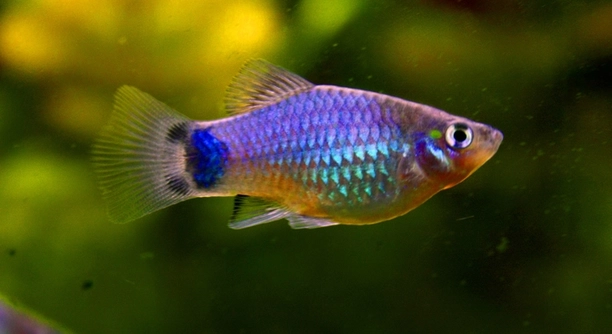
Platies are popular freshwater fish known for their lively behavior. Many owners notice them jumping near the water surface, which can be surprising. Understanding this action helps ensure their well-being in home aquariums.
Platies jump at the water surface primarily due to environmental stressors such as poor water quality, insufficient oxygen levels, or sudden changes in tank conditions. This behavior is a natural response aimed at seeking better oxygenation and escaping discomfort.
Recognizing the reasons behind this behavior can improve care strategies and create a healthier habitat for your platies to thrive in.
Common Causes of Platies Jumping
Platies may jump at the water surface for several reasons, most of which relate to their environment. One key cause is low oxygen levels in the tank. When oxygen is scarce, platies instinctively try to reach the water surface, where oxygen concentration is higher. Another reason can be poor water quality, such as high ammonia or nitrate levels, which can irritate the fish. Sudden changes in water temperature or pH may also trigger this behavior. Stress from overcrowding or aggressive tank mates sometimes leads platies to jump in an attempt to escape discomfort. Additionally, insufficient tank cover or lack of hiding spots may make them feel exposed, increasing jumping tendencies. Understanding these factors is important for keeping platies safe and healthy.
Maintaining stable water conditions and proper tank setup reduces jumping and promotes fish well-being.
Adjusting tank aeration, performing regular water changes, and monitoring chemical levels will improve oxygen availability. Keeping the environment calm and secure minimizes stress. Using a lid can prevent fish from jumping out. These small steps help keep your platies comfortable and less likely to leap at the surface.
How to Prevent Platies from Jumping
Preventing platies from jumping focuses on creating a stable and comfortable environment. Regular water testing ensures oxygen levels and chemical balances are appropriate. Adding an air stone or filter with strong circulation increases oxygenation, helping fish stay calm. Avoid sudden water changes or temperature fluctuations that can stress fish. Ensure the tank is not overcrowded, giving each platy enough space to swim freely. Including plants and decorations provides hiding spots and security. Finally, use a secure tank lid to physically prevent platies from jumping out, protecting them from injury or escape.
Recognizing Signs of Stress in Platies
Platies often show signs of stress before they begin jumping. Common indicators include rapid gill movement, loss of appetite, and hiding more than usual. These signs suggest their environment may not be ideal and should be checked promptly.
Stress in platies can result from poor water conditions, overcrowding, or incompatible tank mates. When oxygen levels drop, fish may gasp at the surface or swim erratically. Changes in water temperature or pH can also disturb their balance. Stress weakens the immune system, making fish more vulnerable to illness. Observing these behaviors early allows for corrective actions to improve their habitat and reduce jumping.
Keeping a close eye on your platies’ daily behavior helps catch stress signs quickly. Prompt adjustments to the tank environment can restore comfort and prevent repeated surface jumping. Small changes, like enhancing filtration or reducing tank population, often improve fish health noticeably.
Importance of Proper Tank Setup
A well-maintained tank reduces stress and discourages jumping. Ensuring adequate space and clean water is essential. Proper filtration and aeration maintain oxygen levels and water quality. Adding plants and decorations provides hiding spots, creating a safer environment. Temperature stability is critical, so use a reliable heater or chiller if needed. Regular water changes keep harmful substances low. The right tank setup helps platies feel secure and healthy, lowering the chances of surface jumping behavior.
Feeding Habits and Jumping
Overfeeding can cause poor water quality, which stresses platies and leads to jumping. Uneaten food decomposes and lowers oxygen levels.
Feeding small amounts two to three times a day helps maintain water quality and keeps platies healthy and calm.
Impact of Tank Mates
Aggressive or overly active tank mates can stress platies, prompting them to jump. Careful selection of compatible species is important for a peaceful tank environment.
Water Changes and Maintenance
Regular water changes remove toxins and replenish oxygen. Weekly partial changes of 20-30% help keep water clean and stable, reducing platies’ stress and surface-jumping behavior.
Using a Tank Lid
A secure tank lid prevents platies from escaping. It protects them from injury and maintains tank humidity and temperature more consistently.
Why do platies jump out of the water?
Platies usually jump because they are trying to escape uncomfortable conditions. Low oxygen, poor water quality, or sudden changes in temperature or pH can stress them. Jumping is their natural reaction to seek better conditions or avoid harm.
How can I tell if my platies are stressed?
Signs of stress include rapid breathing, loss of appetite, hiding more than usual, or swimming erratically. If you notice these behaviors, check water parameters and tank conditions right away to find the cause.
Is jumping harmful to platies?
Jumping itself is not harmful, but it can lead to injury if they hit the tank lid or jump out of the aquarium. Preventing jumping by improving tank conditions and using a secure lid is important to keep them safe.
Can poor water quality cause platies to jump?
Yes, poor water quality is a common cause. High levels of ammonia, nitrites, or nitrates irritate fish and reduce oxygen availability. Regular testing and water changes help maintain good water quality and reduce jumping behavior.
How often should I change my platies’ tank water?
Weekly partial water changes of 20-30% are recommended. This keeps toxins low and oxygen levels stable. Avoid changing all the water at once to prevent stress from sudden environment changes.
What tank size is best for platies?
A minimum of 10 gallons is recommended for a small group of platies. Larger tanks provide more stable water conditions and space, reducing stress and the likelihood of jumping.
Do platies need a lid on their tank?
Yes, a secure lid is essential to prevent jumping fish from escaping and injuring themselves. It also helps maintain stable temperature and humidity inside the tank.
Can tank decorations reduce jumping?
Adding plants and hiding spots makes platies feel safe and secure. This reduces stress and the need to jump out of the water. Decorations also create a more natural environment that encourages calm behavior.
Will changing tank mates stop platy jumping?
Sometimes, yes. Aggressive or active fish can stress platies. Choosing peaceful, compatible species helps create a calm environment where platies feel safe and less likely to jump.
Is aeration important for platies?
Good aeration increases oxygen levels in the water, which platies need to stay calm and healthy. An air stone or filter with strong water movement helps prevent oxygen shortages that cause jumping.
How can I maintain stable water temperature?
Use a reliable heater or chiller to keep temperature within the ideal range for platies, usually 70-78°F (21-26°C). Avoid sudden temperature changes by checking equipment regularly.
Can overfeeding cause jumping behavior?
Yes. Overfeeding leads to leftover food decomposing, which lowers water quality and oxygen levels. Feed small amounts 1-2 times daily and remove uneaten food promptly.
Are platies more likely to jump in new tanks?
Yes, new tanks may have unstable water conditions or incomplete cycling. This can stress fish and cause jumping. Proper setup and gradual introduction help reduce this behavior.
How do I improve oxygen levels in the tank?
Increase surface agitation with a filter or air stone. Ensure the tank isn’t overcrowded and maintain clean water. Good plant growth can also help oxygenate water during the day.
Can lighting affect platies’ behavior?
Strong or sudden lighting changes can stress platies. Use a gentle, consistent light cycle, usually 8-10 hours daily. Provide shaded areas with plants to help them feel secure.
What should I do if my platy keeps jumping despite good care?
Check for hidden stress factors like aggressive tank mates or illness. Consult with an aquatic specialist if needed. Sometimes fish jump due to instinct, but constant jumping signals an issue that needs attention.
Can illness cause jumping?
Yes, fish feeling unwell may jump as a reaction to discomfort or irritation. Watch for other illness signs like spots, discoloration, or lethargy, and treat promptly.
Is it normal for platies to jump occasionally?
Occasional jumping can be normal, especially during feeding or exploring. Persistent jumping, however, usually indicates stress or poor tank conditions.
Do all platies jump or only some?
Jumping behavior varies by individual fish and tank environment. Some platies may never jump, while others do frequently if stressed or uncomfortable.
Can changing the tank location affect jumping?
Yes. Moving a tank or placing it in a noisy or bright area can stress fish, leading to jumping. Keep the tank in a quiet, stable place away from direct sunlight and heavy traffic.
Final thoughts on platies jumping at the water surface focus on understanding and addressing the causes of this behavior. Jumping is often a sign that something in the tank environment is not ideal for the fish. It may be caused by stress, poor water quality, low oxygen levels, or sudden changes in the tank. Paying close attention to these factors helps create a healthier habitat for platies. Maintaining good water conditions and providing a calm, secure space reduces the likelihood of them jumping. It is important to respond quickly to signs of stress to prevent injury or illness.
Taking simple but consistent steps can make a big difference in keeping platies comfortable. Regular water testing and water changes help maintain balanced chemical levels and sufficient oxygen. Ensuring proper tank size and avoiding overcrowding gives platies enough room to swim freely. Including plants and decorations creates hiding places that make the fish feel safe. A secure lid is essential to prevent them from jumping out and getting hurt. These measures together form the foundation for a stable environment where platies can thrive without needing to leap at the surface.
Finally, observing your platies closely is key to their well-being. Noticing changes in behavior, appetite, or activity early allows you to address problems before they worsen. Sometimes jumping is a normal, occasional activity, but frequent or continuous jumping means something needs attention. Adjusting feeding habits, tank mates, or temperature may be necessary. When in doubt, consulting with aquatic care specialists can provide guidance. By carefully managing tank conditions and watching for signs of stress, you help ensure your platies remain healthy and happy in their home.

Hello,
If you enjoy the content that we create, please consider saying a "Thank You!" by leaving a tip.
Every little bit helps us continue crafting quality advice that supports the health, happiness, and well-being of pets around the world, for pets of all shapes, sizes, and species.
We really appreciate the kindness and support that you show us!