
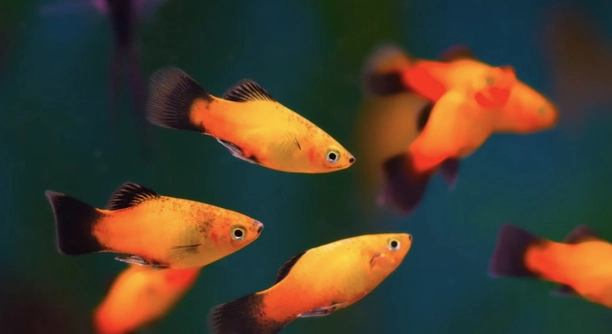
Platies are small, colorful fish often found in home aquariums. Many owners notice these fish gathering near the glass of the tank. This common behavior can be interesting to observe and understand.
Platies gather at the glass primarily because they associate it with feeding time or activity outside the tank. This behavior is a response to visual stimuli, such as seeing their owner or movement near the aquarium, which signals food or interaction.
Knowing why platies behave this way can improve your care routine. It also helps you connect better with your fish and maintain a healthy environment for them.
Reasons Platies Gather at the Glass
Platies often gather at the glass because they recognize the presence of food or activity outside their tank. When they see movement or a hand near the aquarium, they instinctively swim toward that spot, expecting to be fed. This behavior is common in many fish species, especially those used to regular feeding schedules. The glass acts as a barrier but also a clear window for them to watch and anticipate interaction. Besides feeding, platies may also seek attention or react to changes in their environment. Their curious nature makes them drawn to anything new or different, such as a reflection or light changes on the glass. Over time, these fish learn to associate the glass with something positive, making them gather there regularly. This behavior can also signal that they feel safe and comfortable in their habitat. Understanding this helps improve how you interact with your aquarium and care for your fish.
This behavior shows platies have good memories and respond well to routine. It also highlights their need for stimulation in captivity.
Keeping platies mentally engaged and offering varied feeding spots can reduce repetitive gathering at the glass. Varying their environment with plants or decorations offers new places to explore, which keeps them active and content. Also, feeding at different times and locations can prevent them from fixating only on the glass area. This balance supports their natural behaviors while maintaining a peaceful tank environment.
Visual Stimuli and Interaction
Visual cues are a big part of why platies gather at the glass. They quickly learn to recognize shapes and movements that signal feeding or interaction.
The bright colors and activity outside the tank attract their attention. Their eyes focus on these changes, causing them to swim toward the source. This reaction is not just about food but also curiosity. Regular interaction through the glass can strengthen the bond between the owner and the fish. Watching and responding to platies helps monitor their health and mood. It also allows for gentle, low-stress engagement. When they approach the glass eagerly, it shows they feel secure and interested in their surroundings. Encouraging this interaction by spending time near the tank benefits both the fish and the owner. It turns routine care into a small moment of connection.
Feeding Habits and Glass Gathering
Platies quickly associate the glass with feeding times because owners often feed them from that spot. This creates a strong connection between the glass and food.
When platies see movement near the glass, they swim over expecting food. This learned behavior is reinforced daily by regular feeding habits. The fish become conditioned to associate hands or certain movements by the tank with mealtime. If feeding always happens at the same place and time, they will gather eagerly there. This can sometimes lead to excitement or even mild stress if food is delayed. Adjusting feeding spots occasionally helps prevent overfixation on the glass and encourages more natural foraging behaviors.
Feeding platies near the glass also allows owners to observe their eating habits closely. You can monitor how much each fish eats and notice any health issues early. This practice supports better care and strengthens the bond between fish and owner.
Reflection and Social Behavior
Platies sometimes gather at the glass because they see their reflections and mistake them for other fish. This can trigger social behavior like curiosity or territoriality.
They may swim up to the glass to interact with the “other fish” they see, trying to engage or even compete. This happens especially if the tank has few inhabitants or limited hiding spots. Reflection can give the impression of more fish in the area, which encourages social interaction and movement. Watching this behavior helps understand how platies react to their environment and to each other. Providing plenty of tank decorations and plants can reduce this effect by breaking up reflections and offering places to hide or rest. This encourages natural social patterns and reduces stress caused by constant reflection encounters.
Tank Environment and Lighting
Lighting near the glass can attract platies because it highlights reflections and movements. Bright lights encourage activity and curiosity around the tank edges.
Poorly arranged decorations near the glass may also make platies gather there, as they seek open space or clearer views.
Platies’ Natural Curiosity
Platies are naturally curious fish that explore their surroundings actively. They investigate anything new or different, including reflections, movements, and changes near the glass. This curiosity helps them stay alert and engaged in their environment.
How to Manage Glass Gathering
Providing a varied tank setup with plants and hiding spots helps reduce platies’ fixation on the glass. It gives them more places to explore and feel secure.
FAQ
Why do platies gather at the glass when I approach the tank?
Platies often associate your presence near the glass with feeding time or interaction. They recognize movements and shapes outside the tank and swim toward the glass expecting food or attention. This learned behavior develops over time as you feed or care for them regularly.
Is it harmful for platies to gather at the glass so often?
Generally, gathering at the glass is not harmful. However, if they become too fixated or stressed by constant activity outside the tank, it can affect their well-being. Providing a balanced environment with hiding spots and varied stimulation helps reduce stress.
Can platies see their reflections in the glass?
Yes, platies can see reflections and may mistake them for other fish. This can cause social behaviors like curiosity or territorial displays. Reflections can sometimes confuse or stress them if they perceive an “intruder.”
How can I reduce my platies’ fixation on the glass?
Adding plants, decorations, and hiding places breaks up reflections and offers new exploration spots. Changing feeding locations and times also discourages constant gathering at the glass. This variety helps platies stay mentally stimulated and less focused on one area.
Do platies gather at the glass only for food?
No, while food is a major reason, platies also gather at the glass out of curiosity or to interact with reflections. They respond to movements and changes outside the tank, so any activity near the glass can draw their attention.
Is it normal for platies to be so social and interactive with humans?
Yes, platies are social fish that learn to recognize their owners. They may swim to the glass to watch and interact, showing signs of comfort and curiosity. This behavior indicates they are comfortable in their environment.
What can I do if my platies seem stressed by their behavior near the glass?
Monitor their environment for sources of stress like sudden loud noises, constant tapping, or rapid movements outside the tank. Provide plenty of plants and shelter to help them feel safe. Reducing disturbances and varying tank layout can improve their comfort.
Will changing the tank lighting affect how often platies gather at the glass?
Yes, lighting can influence their behavior. Bright lights near the glass increase activity and reflection, attracting platies. Adjusting the lighting to a softer or more natural level can reduce excessive gathering and calm their behavior.
How does tank size impact platies’ tendency to gather at the glass?
Smaller tanks may encourage platies to gather at the glass more often because of limited space and fewer hiding spots. Larger tanks with diverse environments help distribute their attention and encourage natural exploration.
Can platies recognize their owners by sight?
Platies can learn to recognize their owners by movement and appearance near the tank. They respond to familiar shapes and actions, which often signals feeding or interaction time, strengthening the bond between fish and owner.
Platies gathering at the glass is a common and natural behavior that many aquarium owners notice. This behavior mainly happens because platies associate the glass with feeding or interaction. When they see movement near the tank, they swim toward the glass expecting food or attention. Over time, they learn to recognize their owners and the routine of feeding, which strengthens this connection. It shows that platies are smart and responsive fish that react to their environment in ways that owners can understand and enjoy. Observing them gather at the glass can be a simple way to engage with your fish and check on their well-being.
While this behavior is usually harmless, it is important to make sure that platies do not become overly fixated or stressed by it. Constantly crowding near the glass might be a sign that the tank environment could use some improvement. Providing a well-balanced aquarium with plants, decorations, and hiding spots can help the fish feel more secure and less focused on one area. Changing feeding locations and varying the feeding schedule can also reduce their attention on the glass. These small adjustments support their natural behaviors and mental stimulation, leading to happier and healthier fish overall.
Understanding why platies gather at the glass helps improve how you care for them. It reminds owners that these fish have natural instincts and social needs that should be respected. Paying attention to their behavior allows for better interaction and creates a more comfortable home for them. Taking time to adjust the tank environment and feeding habits based on these insights can enhance the experience of keeping platies. This awareness leads to a more peaceful aquarium where the fish feel safe and engaged, and owners enjoy watching their lively and curious nature.

Hello,
If you enjoy the content that we create, please consider saying a "Thank You!" by leaving a tip.
Every little bit helps us continue crafting quality advice that supports the health, happiness, and well-being of pets around the world, for pets of all shapes, sizes, and species.
We really appreciate the kindness and support that you show us!