
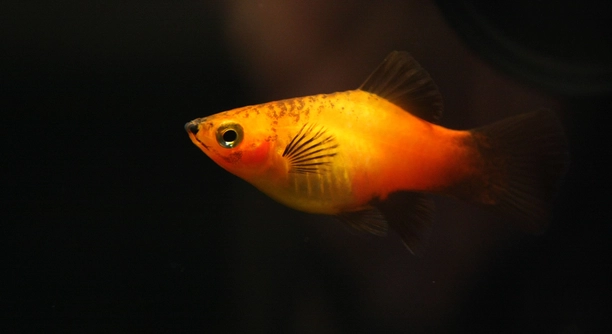
Do your platies spend a lot of time near plant roots, almost as if they’re clinging to them more than swimming freely?
Platies cling to plant roots primarily for safety and comfort. The roots offer shelter from bright lights, hiding spots from tank mates, and a natural environment that reduces stress. This behavior is common in planted aquariums.
Understanding this behavior can help you create a peaceful space that keeps your fish calm, healthy, and feeling at home in your tank.
Why Platies Feel Safe Near Plant Roots
In a home aquarium, platies naturally seek out areas that feel secure and calm. Plant roots create that kind of space. The tangled structure provides a barrier from strong currents and helps them feel less exposed. When surrounded by these roots, platies can rest or hide without stress. This kind of shelter is especially important in busy tanks where other fish are present. The roots also mimic environments they’d use in the wild, making the tank feel more familiar. In this sense, the behavior is less about being lazy or sick and more about comfort. It’s also a sign that your aquarium has features that make your fish feel at ease. As long as they remain active and eat well, their time near the roots is usually not a concern. Observing their habits can also give helpful insight into how balanced their environment is.
Not all fish need the same hiding spaces, but platies often prefer low, rooted areas for quiet time.
A peaceful tank setup with real or soft artificial plants helps reduce stress. The roots provide cover, filter the light, and slow the flow of water. These elements all work together to support calm behavior and a healthy tank environment.
Other Reasons Platies Stay Near Roots
Sometimes, platies stay near plant roots because of water flow, lighting, or food collecting around the area.
Roots tend to trap small particles of food, algae, and debris. Platies may spend time there grazing on these leftovers. This isn’t unusual and often means the tank has natural feeding spots. It also reflects the way platies forage in the wild. They nibble at surfaces, including roots, to find bits of algae or biofilm. Low lighting under dense roots can also attract them. Platies do not enjoy bright, constant light, and shaded areas give them relief. Water movement plays a role too. Roots reduce the strength of the current, making those spots easier to rest in. It’s important to monitor this behavior alongside other signs, like appetite and activity. If your platies are hiding constantly, check water quality and tank mates. But if they swim actively and explore between rests, their root-clinging behavior is likely just part of their normal routine.
What to Watch for When Behavior Changes
If your platy suddenly clings to roots more often or stops swimming much, something may be off. A sudden shift in behavior can point to stress, illness, or poor water conditions. It’s important to pay close attention and act early.
Look for other signs that may confirm something’s wrong. Rapid gill movement, clamped fins, dull colors, or lack of appetite could all point to health issues. Test your water for ammonia, nitrites, and nitrates. A spike in any of these can cause discomfort, leading your platy to hide. Also, check if other fish are chasing or bullying it—aggression often drives fish to seek shelter. If everything checks out but your fish still seems off, consider isolating it to observe more closely. A calm, separate space can help it recover while giving you a better chance to monitor symptoms.
Temperature drops or swings can also cause your platy to behave differently. Consistent warmth keeps them active and social. Make sure your heater is working properly and holding a steady range, around 72–78°F. Sudden noise, tank changes, or poor lighting can also lead to hiding. If the behavior continues after you’ve ruled out stress and illness, consult a vet who specializes in aquatic pets for further guidance.
When Clinging Becomes a Habit
If your platy always stays near plant roots, even during feeding or active times, it might be more than preference. Constant hiding can signal stress or discomfort in the tank that needs to be addressed quickly.
Check if the tank has enough space and hiding spots for all fish. Overcrowding can make platies feel insecure, leading them to stick to covered areas. You may need to add more plants or rearrange decorations to give them room to explore safely.
How to Encourage Balanced Behavior
Create a layout that includes both open swimming areas and shaded hiding spots. Use live or soft artificial plants with long roots, letting your platies decide where they feel safest. Keep lighting moderate and avoid placing the tank in loud or high-traffic areas. Maintain stable water conditions, and use regular testing to catch imbalances early. Feed your fish a balanced diet and observe their habits during feeding times. When your platy feels secure and stimulated, it will explore more, use the entire tank, and only return to the roots when it wants quiet time. A comfortable environment encourages both active swimming and restful hiding.
Final Thoughts on Observation
Daily observation helps catch subtle changes early. Staying aware of your platy’s habits can make a big difference in long-term care.
FAQ
Why do platies prefer plant roots over other hiding spots?
Platies find plant roots especially comforting because they offer dense cover and mimic natural environments. Roots create shaded areas and protect against strong currents. Unlike open decorations, roots provide a complex, safe space where platies feel less exposed to tank mates or disturbances. This natural shelter reduces stress and encourages calm behavior.
Is it normal for platies to stay near roots all day?
While platies enjoy resting near roots, staying there constantly can indicate stress, illness, or poor water quality. Healthy platies usually balance resting with swimming and feeding. If your fish clings to roots without moving much, check water parameters, tank conditions, and possible bullying from other fish.
Can plant roots help improve water quality for platies?
Yes. Plant roots contribute to water health by absorbing excess nutrients like nitrates. This helps keep the tank environment stable and less toxic. Healthy plants promote oxygen levels and create a balanced habitat, which benefits platies and other aquatic life.
What should I do if my platy hides too much near the roots?
First, test the water for ammonia, nitrites, and nitrates to rule out poor water quality. Check temperature stability and ensure the tank isn’t overcrowded. Observe other fish behavior for aggression. If all seems fine, offer more hiding spots and moderate lighting to help your platy feel secure while encouraging activity.
Are there specific plants that platies prefer?
Platies tend to favor plants with thick, sturdy roots and dense foliage like Java fern, Anubias, or hornwort. These plants create natural shelter and low-light zones. Floating plants can also provide shaded areas. Avoid plants with sharp leaves that could injure the fish.
Can artificial plants provide the same comfort as live plants?
Artificial plants can offer hiding spots but don’t improve water quality or oxygen levels like live plants. They may be less effective in mimicking natural conditions, but many platies still use them for shelter if live plants aren’t an option.
Does the size of the tank affect platies’ behavior near roots?
Smaller tanks can limit swimming space, making platies cling more to roots or hiding spots. Larger tanks encourage exploration and reduce stress. Proper tank size combined with good décor balance helps platies stay active and comfortable.
How often should I check on my platy’s behavior around roots?
Daily observation is best. Noticing small changes in activity, feeding, or hiding habits early allows for quick adjustments in tank care. Regular attention helps maintain a healthy environment and catch potential issues before they escalate.
Could platies cling to roots because of breeding behavior?
Yes, during breeding, platies may seek dense plants and roots for protection. Females often hide to avoid males or protect fry. Dense roots create safe zones which support natural reproductive behavior in the tank.
Is it harmful for platies to nibble on plant roots?
Nibbling on roots is common and usually harmless. Platies forage for algae and biofilm there. However, excessive nibbling on live plants can damage them. Offering varied food and algae wafers can reduce overgrazing on roots.
Final Thoughts
Platies clinging to plant roots is a natural behavior rooted in their need for safety, comfort, and a sense of familiarity. In an aquarium, plant roots provide a protective environment that helps reduce stress. When platies rest near or among these roots, they are taking advantage of a space that mimics their natural habitat. This behavior shows they feel secure and at ease in their surroundings. As long as the fish remain active, eat well, and swim around the tank regularly, spending time near roots is not a cause for concern. It is important to understand that hiding does not always mean something is wrong; sometimes it simply means your platies are comfortable.
At the same time, consistent observation is key to ensuring your platies’ well-being. Changes in behavior, such as excessive hiding or clinging without movement, can signal underlying problems. Water quality, tank conditions, temperature, or interactions with other fish could be factors affecting their comfort. Regular water testing and tank maintenance help keep the environment healthy and stable. Providing a balanced tank layout with open swimming areas as well as hiding spots like plants and roots allows platies to choose where they feel safest. This balance supports their natural behaviors and overall health.
Creating the right conditions for your platies involves more than just adding plants. Attention to lighting, water flow, temperature, and diet all play a role in their comfort and activity levels. Live plants not only offer shelter but also contribute to water quality by absorbing excess nutrients. Artificial plants can provide some hiding spots but do not improve the tank’s ecosystem the same way. Understanding why your platies cling to roots helps you create an aquarium where they thrive. Observing their habits closely and responding to changes will ensure your fish stay healthy and comfortable for the long term.

Hello,
If you enjoy the content that we create, please consider saying a "Thank You!" by leaving a tip.
Every little bit helps us continue crafting quality advice that supports the health, happiness, and well-being of pets around the world, for pets of all shapes, sizes, and species.
We really appreciate the kindness and support that you show us!