
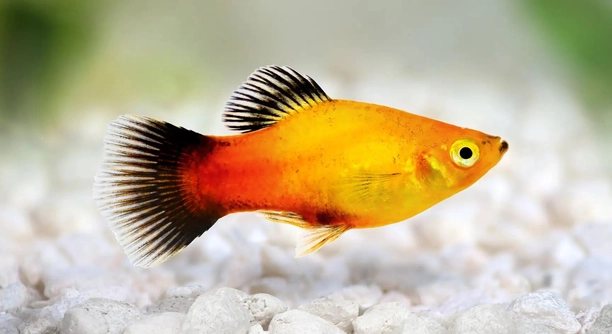
Do your platies ever swim up to the glass and start chasing their reflection, almost like they’re playing a strange game?
Platies chase their own reflection due to confusion or curiosity. The glass creates a mirror effect, leading them to mistake their reflection for another fish. This behavior is especially common in tanks with strong lighting and clear glass surfaces.
This behavior may seem playful, but it can indicate stress, boredom, or even a territorial response to their surroundings.
Why Platies React to Their Reflection
Platies often react to their reflection because they think it’s another fish. Their brains can’t always recognize glass reflections as illusions. This response is instinctive and mostly tied to survival behavior like defending territory or attracting mates. In nature, they interact closely with other fish, so when they see what looks like another platy mimicking their every move, they respond as if it were real. If your tank has very clear glass and strong lighting, the reflection becomes sharper, making it harder for your platy to ignore. This can lead to frequent chasing or even mild aggression. It’s not always a problem, but if your platy is doing this constantly, it could be a sign of confusion or stress. Understanding this behavior can help you decide whether to change the tank setup or add some calming elements to reduce reflective stress.
Noticing this behavior regularly may mean your tank needs slight changes to improve your platy’s comfort.
If your platy keeps chasing its reflection, try adjusting the tank lighting or background. You can also add plants or decorations to break up reflections. These small changes can help your fish feel safer and more settled in its space.
Is This Behavior Harmful?
Occasional reflection-chasing is usually harmless and may even provide some stimulation. But when it becomes obsessive, your platy may experience stress or anxiety. This can affect its appetite, immune system, and overall behavior. If your fish starts avoiding food, hiding more often, or swimming frantically along the glass, it’s time to take notice. Constant interaction with its reflection isn’t natural and may wear the fish down. You can help by observing their behavior and making the tank environment less reflective. A darker background, floating plants, or rearranging décor can break the mirror effect. Avoid placing the tank near bright lights or windows. If these steps don’t help, consider adding more platies for social stimulation, as they usually do well in small groups. Creating a peaceful, engaging environment helps reduce reflection-related stress and keeps your fish active and healthy without unnecessary distraction.
How Tank Setup Affects Reflection Behavior
Bright lighting and clear glass often make reflections more visible, which can confuse your platy. Tanks placed near windows or under strong lights can increase this issue. Using a dark background or reducing external light can help minimize the mirror-like effect.
Decorations, plants, and tank backgrounds play a big role in managing this behavior. When the tank is too bare, there’s nothing to break the reflection, so your platy may spend more time chasing it. Adding live or artificial plants, rock caves, or even a background sticker can help create depth and reduce the visibility of reflections. A darker background also prevents external light from bouncing back. Rearranging tank elements can also distract your fish and encourage natural exploration. If your platy seems calmer after these changes, that’s a good sign the setup was contributing to the problem. Creating a balanced and engaging tank setup is a simple way to help.
If lighting changes don’t work, consider repositioning the tank. Move it away from windows or bright lamps, and try soft LED lights instead of harsh bulbs. Even slight changes in lighting angle can reduce reflections significantly. Also, avoid polished or glossy surfaces near the tank that might reflect light back into the glass.
Behavioral Signs to Watch For
It’s helpful to watch for behavioral shifts when your platy starts reacting to reflections. Signs like frantic swimming, glass surfing, or aggression toward the reflection show that the behavior may be more than just playful interaction.
A stressed platy may also stop eating, hide more often, or become aggressive toward other fish. These are signs your fish is not just curious—it’s unsettled. Over time, chronic stress from reflection-chasing can weaken your platy’s immune system and lead to illness. If your platy becomes withdrawn or shows physical symptoms like clamped fins or pale coloring, the environment may need further adjustments. Reflection-chasing might start as a harmless reaction but can turn into a stressor if left unchecked. Keeping a consistent routine, checking water quality, and providing enrichment can help your fish feel safer and more active. Monitoring these subtle changes will help keep your platy healthy and stress-free over time.
Simple Ways to Reduce Reflections
A quick way to reduce reflections is by changing the tank background. Dark or matte backgrounds work best because they absorb light instead of bouncing it back, making reflections less visible to your platy.
Adding tall plants or decorations can also help block open glass areas. These act as visual barriers, keeping your fish focused on its environment rather than the glass surface.
When to Consider Tank Mates
If your platy still chases its reflection after changes, it might be time to introduce more tank mates. Platies are social and often feel more secure in small groups. Adding one or two compatible platies can help shift their focus away from the glass. Interaction with real fish encourages more natural behavior and reduces boredom. Just be sure your tank is large enough to handle additional fish, and that water parameters remain stable. Adding new fish should always be done gradually to avoid stress. When done correctly, this step often leads to a calmer and more balanced tank atmosphere.
Keep a Regular Observation Routine
Make it a habit to observe your platies daily. Spotting early signs of stress helps you make small changes before issues grow.
FAQ
Why do platies chase their reflection more at certain times?
Platies are more likely to chase their reflection when the tank lighting is brightest or when they feel unsettled. Changes in the environment, such as new decorations or sudden noises, can increase their alertness. Reflection chasing often happens when the fish is active and exploring, especially during feeding times or breeding periods. Bright light makes the reflection clearer, so your platy reacts more to what it sees. Reducing the light intensity or providing shaded areas in the tank can help balance their activity.
Is chasing reflections a sign of illness?
Chasing reflections by itself is not usually a sign of illness. However, if the behavior is constant and paired with other symptoms like lethargy, loss of appetite, or color fading, it might indicate stress or sickness. Persistent stress from reflection chasing can weaken the immune system, making the fish more vulnerable. It is important to monitor overall behavior and tank conditions to ensure your platy remains healthy.
Can platies hurt themselves by chasing reflections?
Yes, excessive chasing can lead to physical harm. When a platy repeatedly bumps into the glass or swims aggressively at its reflection, it risks injuring its fins or body. Continuous stress also impacts health over time. Creating a tank environment with fewer reflections and more hiding spots helps prevent such harm.
Will platies stop chasing reflections if I add more fish?
Adding tank mates often reduces reflection chasing by providing social interaction. Platies are social fish that enjoy the company of others. When focused on real fish, they tend to lose interest in their reflection. However, the tank should not be overcrowded, and new fish should be compatible. Introducing too many fish too quickly can cause stress and worsen behavior.
Are some platies more prone to chasing reflections than others?
Yes, individual platies vary in temperament. Some are naturally more curious or territorial, leading to more frequent reflection chasing. Younger fish and males may show this behavior more, especially during mating seasons. Understanding your fish’s personality can help you tailor the environment to reduce unwanted chasing.
Does tank size affect reflection chasing?
Smaller tanks tend to create stronger reflections because the glass surfaces are closer together and more visible. Limited space can also increase stress, causing fish to react more to reflections. Larger tanks with plenty of decoration and plants reduce reflection visibility and provide room for natural behavior, decreasing chasing incidents.
How do I know if my platy is stressed from chasing reflections?
Signs of stress include erratic swimming, hiding frequently, refusing food, and changes in coloration. If chasing the reflection becomes obsessive, these signs often follow. Stress can also cause your platy to become less active and more vulnerable to disease. Regular observation and a calm, enriched tank environment help reduce stress.
What decorations work best to reduce reflections?
Tall plants, rock formations, and driftwood are effective because they block open glass surfaces. Live plants provide natural hiding places and improve water quality. Background stickers with dark or natural colors also help by preventing external light from bouncing off the glass. Combining several types of decoration usually works best to minimize reflections and enrich your platy’s habitat.
Can changing the lighting schedule help?
Adjusting the lighting schedule to simulate natural day and night cycles reduces stress and reflection chasing. Avoid harsh, bright lights for long periods. Using dimmers or timers ensures the tank isn’t lit continuously, giving your platy restful dark periods. Proper lighting supports natural behavior and reduces aggressive reactions to reflections.
Is it normal for platies to be curious about their reflection?
Yes, curiosity is natural. Platies explore their surroundings, and reflections can seem like another fish. This curiosity is harmless if it happens occasionally. However, if it becomes repetitive or aggressive, it suggests the fish is confused or stressed. Helping your platy feel secure with environmental changes usually reduces this behavior.
Final Thoughts
Platies chasing their own reflection is a common behavior rooted in their natural instincts. These fish rely on visual cues to understand their surroundings and interact with other fish. When they see their reflection in the tank glass, they often mistake it for another platy. This triggers reactions like chasing or showing signs of territorial behavior. While this may look like play or curiosity, it can sometimes indicate that the fish is confused or stressed. Recognizing this behavior is important for maintaining a healthy and comfortable environment for your platy.
Managing reflection chasing involves simple but effective steps. Adjusting the tank lighting or using darker backgrounds can greatly reduce reflections. Adding plants, decorations, and other tank elements creates visual barriers that help break up the mirrored surfaces. These changes provide stimulation and security, encouraging your platy to focus on its environment rather than its reflection. If your fish continues to chase its reflection, adding compatible tank mates can shift their attention and reduce stress. Social interaction is beneficial for platies, as they generally thrive in groups.
Regular observation is key to understanding your platy’s behavior. Watching for signs of stress or changes in activity can help you act quickly if chasing reflections becomes excessive or harmful. Small adjustments to the tank setup and lighting often make a big difference. Ensuring a calm, enriched environment supports your platy’s well-being and reduces unwanted behavior. By paying close attention to your fish and making thoughtful changes, you can create a balanced tank where your platies feel safe and comfortable.

Hello,
If you enjoy the content that we create, please consider saying a "Thank You!" by leaving a tip.
Every little bit helps us continue crafting quality advice that supports the health, happiness, and well-being of pets around the world, for pets of all shapes, sizes, and species.
We really appreciate the kindness and support that you show us!