
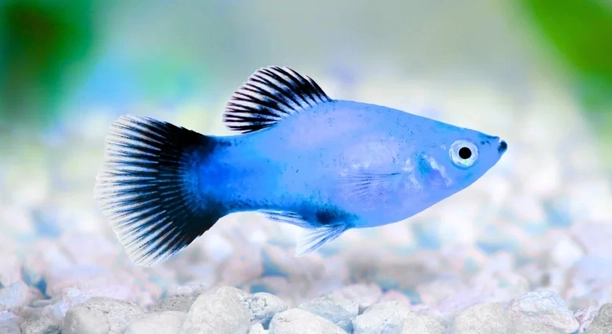
Platies are popular small fish that many people enjoy keeping in their aquariums. Sometimes, these lively fish show a curious behavior of biting at bubbles in the water. This action can catch the attention of fish owners and make them wonder about its cause.
Platies bite at bubbles mainly because they mistake them for food or are stimulated by their movement. This behavior is a natural response linked to their feeding instincts and environmental interaction, rather than aggression or stress.
Understanding why platies bite at bubbles can help improve their care and create a more comfortable environment for them. This article will explain the reasons behind this behavior and what it means for your fish.
Why Do Platies Bite at Bubbles?
Platies often bite at bubbles because they confuse them with food. In a natural setting, these fish hunt small particles floating in the water. When bubbles rise in an aquarium, their movement can look like something edible. This causes the platies to snap at the bubbles. It’s a harmless behavior that shows how alert they are to changes in their environment. Sometimes, bubbles are created by air stones or filters, and these introduce many small bubbles that attract the fish’s attention. The biting action is not a sign of stress but rather curiosity and instinct. Understanding this helps avoid unnecessary worries about your fish’s health. It also highlights how platies interact with their surroundings in an active way. So, when your platies go after bubbles, it’s their natural response to what seems like floating food in their tank.
This behavior can also mean the fish are hungry or expecting food. Watching when they bite bubbles can give clues about their feeding times and habits.
Biting at bubbles is one of many small behaviors platies show that indicate they are healthy and engaged. Their quick movements toward bubbles mean they are alert and interested in the environment. Providing them with a balanced diet reduces excessive biting, but occasional bubble chasing is normal and harmless.
How Bubble Behavior Affects Aquarium Care
Observing platies biting bubbles can help you check if your tank setup is working well. Proper aeration is important for fish health, but too many bubbles might lead to constant biting, which could stress the fish over time. It’s useful to balance air stones and filter output so bubbles are gentle and not overwhelming.
Adjusting the tank’s air flow and bubble production helps maintain a calm environment. Watching your platies’ behavior in response to bubbles can also show if they feel comfortable or if changes are needed. Making small adjustments ensures the fish stay healthy and happy without unnecessary stress. Keeping the water clean and feeding on a schedule reduces the chance of biting as a reaction to hunger or boredom. By paying attention to these details, you create a better home for your platies and enjoy watching their natural behaviors.
Common Reasons Behind Bubble Biting
Platies bite bubbles mostly out of instinct and curiosity. They see bubbles moving and react as if it’s food or something interesting to explore. This natural behavior helps them stay alert in their environment.
Biting bubbles can also be linked to feeding times. When platies expect food, they may nip at bubbles that remind them of floating food particles. Sometimes, bubbles can appear near feeding areas or filter outlets, triggering this response. If they are well-fed, bubble biting happens less often but still occurs because it’s part of their natural exploration. The movement of bubbles draws their attention and encourages playful behavior. This activity is harmless and shows they are active and engaged.
In some cases, bubble biting may be more frequent if the tank has strong aeration or lots of surface agitation. Too many bubbles might overwhelm the fish, making them bite more often. Adjusting bubble production and feeding routines can reduce this behavior if it seems excessive. The key is to keep the environment balanced and comfortable for the platies.
How to Manage Bubble Biting in Your Tank
Controlling bubble biting involves monitoring tank conditions and fish behavior closely. Reducing strong bubble flows can help lessen biting episodes. Keeping a steady feeding schedule also prevents the fish from confusing bubbles with food.
Ensuring your platies have enough stimulation beyond bubble chasing is important. Adding plants, hiding spots, or gentle water movement can distract them. When they feel secure and well-fed, bubble biting usually becomes less frequent. If you notice signs of stress or damage from biting, it might mean adjustments are necessary. Regular tank maintenance and balanced aeration promote a healthy space where platies can thrive without excessive bubble biting.
Signs to Watch For When Platies Bite Bubbles
Platies biting bubbles usually isn’t harmful, but watch for signs of stress. If they bite too aggressively or seem restless, it might indicate discomfort.
Look for any damage around their mouths or unusual behavior, which can mean the bubble biting is causing harm or stress.
Feeding and Bubble Biting Connection
Feeding your platies on a regular schedule helps reduce bubble biting. When hungry, they are more likely to mistake bubbles for food and bite at them. Offering small, frequent meals keeps them satisfied and less focused on bubbles. Additionally, feeding floating pellets or flakes mimics natural feeding patterns, which can distract them from bubbles. Proper nutrition improves their overall health and behavior, so adjusting feeding habits can directly reduce bubble biting. Watching how they react after feeding helps understand if hunger triggers the behavior, allowing better care and tank management.
Bubble Size and Fish Behavior
Smaller bubbles tend to attract more attention from platies than larger ones. They look like tiny food particles, making the fish more likely to bite at them.
Impact of Tank Environment
A clean and well-maintained tank reduces stress, which lowers excessive bubble biting.
Why do my platies bite bubbles more when the tank is freshly cleaned?
When a tank is freshly cleaned, the water might have different oxygen levels and surface activity. This change can increase bubble formation, attracting platies’ attention. They bite bubbles more because the environment feels different and the bubbles look like food particles or something new to explore. Also, after cleaning, fish might be more active or hungry, which makes them nip at bubbles more often.
Is bubble biting harmful to platies?
Generally, bubble biting is harmless. It’s a natural way platies explore their environment and interact with changes in the water. However, if they bite bubbles too aggressively or constantly, it can cause minor stress or mouth irritation. This usually only happens if the tank has excessive bubbles or the fish are not well-fed. Watching their behavior carefully helps prevent any harm from developing.
Can adjusting the filter or air stone reduce bubble biting?
Yes. Reducing the strength of the filter output or air stone can lower the number and size of bubbles in the tank. Smaller or fewer bubbles mean less temptation for platies to bite at them. Finding a gentle balance in aeration helps keep the tank healthy while minimizing bubble biting.
Does bubble biting mean my platies are hungry?
Sometimes. Platies often bite bubbles when they expect food, especially if feeding times are irregular or food is scarce. Keeping a regular feeding schedule and offering the right amount of food reduces bubble biting caused by hunger. If your platies bite bubbles only around feeding time, it likely means they are anticipating a meal.
What kind of food should I give to reduce bubble biting?
High-quality flakes, pellets, or frozen foods designed for small tropical fish work well. Feeding small amounts several times a day keeps platies satisfied and less likely to confuse bubbles with food. Variety in their diet also helps keep them interested and healthy, which reduces unnecessary bubble biting.
Does the size of bubbles affect platies’ biting behavior?
Yes. Smaller bubbles resemble tiny floating food particles and attract platies more. Larger bubbles usually get ignored because they don’t look like something edible. Controlling bubble size through air stones and filters can influence how often platies try to bite bubbles.
Are there any signs that bubble biting is a problem?
If platies show signs of stress like hiding, loss of appetite, or damaged fins and mouths, bubble biting may be excessive or linked to poor tank conditions. Constant biting might also make them restless or aggressive. These signs suggest adjustments are needed to improve their environment.
How does tank decoration affect bubble biting?
A well-decorated tank with plants and hiding spots distracts platies from bubbles. When they have places to explore and feel secure, they focus less on bubble chasing. Adding gentle water flow and natural decorations helps reduce bubble biting and keeps the fish more relaxed.
Can bubble biting indicate water quality problems?
Not directly. Bubble biting is mostly linked to feeding instincts and curiosity. However, poor water quality can stress fish, making them more restless and prone to unusual behavior. Regular water testing and maintenance help keep platies healthy and less likely to develop stress-related habits like excessive bubble biting.
Should I be worried if bubble biting increases suddenly?
A sudden increase in bubble biting may point to changes in feeding, tank conditions, or water flow. It can also mean your fish are stressed or bored. Checking water quality, feeding routines, and aeration can identify what caused the change. Making necessary adjustments usually helps return behavior to normal.
How do I know if my platies are stressed from bubble biting?
Look for unusual hiding, frantic swimming, or loss of appetite. If bubble biting becomes constant and aggressive, it may cause mild stress or irritation. Stress signs indicate that the environment needs improvement, such as softer aeration or better feeding habits.
Can bubble biting affect other fish in the tank?
Typically, bubble biting is a behavior specific to curious platies and doesn’t harm other fish. However, if bubble biting causes agitation or stress, it might indirectly affect tank mates. Keeping the environment calm and balanced helps all fish feel comfortable.
Does bubble biting decrease as platies get older?
It can. Younger platies are usually more curious and active, leading to more bubble biting. Older, more settled fish might lose interest in bubbles but still bite occasionally. This behavior naturally declines with age and maturity.
What tank conditions best support healthy platy behavior?
Clean water, moderate aeration, regular feeding, and a well-decorated tank create a comfortable home. These conditions reduce stress and unnecessary behaviors like excessive bubble biting. Maintaining stable water temperature and chemistry also supports their health and activity levels.
Can bubble biting be a sign of boredom?
Yes, if platies lack stimulation or variety in their environment, they might bite bubbles out of boredom. Adding plants, decorations, or tank mates can provide mental stimulation and reduce this behavior. Bored fish look for anything to interact with, including bubbles.
Is it normal for platies to bite at bubbles in all tanks?
Not all platies bite bubbles, but it’s common in many setups with air stones or strong filtration. The behavior varies depending on individual fish, tank design, and feeding habits. Some platies never bite bubbles, while others do it regularly without issue.
Platies biting at bubbles is a normal and natural behavior that many fish owners notice. This action usually happens because the fish mistake bubbles for food or are simply curious about their movement in the water. It is not a sign of aggression or illness in most cases. Understanding why platies bite bubbles helps fish keepers feel more confident in caring for their pets. It also reminds us that fish respond to their environment in ways that may seem strange but are often harmless.
While bubble biting is generally not a problem, it can sometimes be a sign that your fish are hungry or that the tank conditions need attention. Watching your platies closely can give you clues about their health and happiness. If you notice they bite bubbles more when the tank is freshly cleaned or when the bubbles are very small, these are natural responses to changes in their surroundings. Making sure your platies get regular meals and that the tank has gentle aeration will reduce this behavior. Providing a well-maintained, stable environment with places for the fish to explore also helps keep them calm and less focused on bubbles.
Overall, bubble biting is just one of many ways platies interact with their home. It shows they are active and alert, which is a good sign. As long as the behavior is not excessive or causing harm, there is no need for worry. Paying attention to feeding routines, tank setup, and water quality will support your platies’ well-being. Remember that every fish is different, and small habits like bubble biting can add to the unique charm of keeping these colorful and lively fish.

Hello,
If you enjoy the content that we create, please consider saying a "Thank You!" by leaving a tip.
Every little bit helps us continue crafting quality advice that supports the health, happiness, and well-being of pets around the world, for pets of all shapes, sizes, and species.
We really appreciate the kindness and support that you show us!