
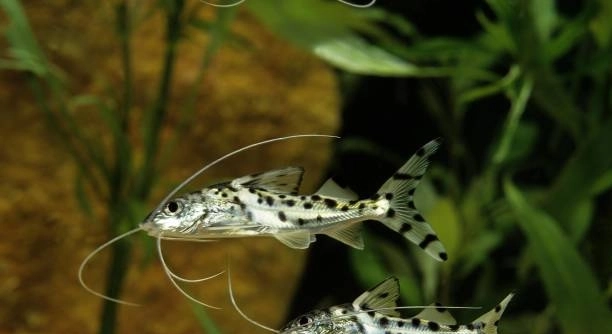
Pictus catfish are popular aquarium fish known for their striking appearance and active behavior. Many hobbyists notice these fish prefer shaded, dim areas in their tanks rather than bright, well-lit spaces. Understanding why they favor such environments helps improve their care.
Pictus catfish prefer dim environments because they are naturally nocturnal and use low light to avoid predators and reduce stress. Dim lighting mimics their native river habitats, promoting their natural behavior and overall well-being in captivity.
Learning about their light preferences can improve tank setup and fish health. The following details explain how dim environments benefit pictus catfish and their natural instincts.
Natural Habitat of Pictus Catfish
Pictus catfish originate from rivers and streams in South America, where water conditions are often shaded by dense vegetation. These environments provide plenty of hiding spots and subdued lighting, which helps the fish feel secure. In the wild, bright sunlight rarely penetrates the water deeply, making dim areas their natural preference. This lighting also supports their nocturnal habits, as they are more active during low-light conditions. The soft riverbeds and slow-moving waters offer calm surroundings, ideal for their scavenging behavior. Replicating this environment in an aquarium can reduce stress and encourage natural behaviors such as foraging and social interactions. Providing dim lighting combined with plants or decorations that create shaded spots helps pictus catfish adjust better to captivity. Their comfort in such conditions directly impacts their health and longevity. Aquarium owners should aim to mimic these natural settings to meet the species’ specific needs and promote a balanced ecosystem.
This natural preference for shade and subdued light is key to understanding their behavior and care requirements in aquariums.
Maintaining a similar environment to their native habitat allows pictus catfish to thrive. Aquarists can recreate shaded areas with floating plants or subdued lighting, which promotes activity and reduces hiding out of fear. Dim environments also prevent stress-related illnesses and support their nocturnal feeding habits.
Light Sensitivity and Stress Levels
Pictus catfish have sensitive eyes adapted to low-light environments. Bright or harsh lighting can cause discomfort and increase stress. Stress weakens their immune system, making them more prone to disease.
Proper lighting is essential for pictus catfish to feel secure and behave naturally. Excessive brightness can lead to hiding or reduced activity, while dim lighting encourages exploration and feeding. Fishkeepers should use adjustable lights or provide shaded areas to reduce light intensity. Using timers can help maintain a consistent day-night cycle, which benefits their overall health. Ensuring the right balance of light helps prevent stress and supports their nocturnal lifestyle. It also allows the fish to display their full colors and natural behaviors, making the aquarium more enjoyable to watch. By paying attention to lighting needs, aquarists can create a comfortable and stable environment that fosters pictus catfish well-being.
Behavior in Dim Environments
Pictus catfish become more active and social in dim environments. They feel safer and show natural behaviors like exploring and feeding. Bright light often causes them to hide or remain still.
In dim lighting, pictus catfish use their whiskers to navigate and search for food. Their natural nocturnal instincts become more apparent, and they tend to swim freely. This behavior indicates comfort and reduced stress levels. Bright light can disrupt this, making them retreat to hiding spots and reducing their overall activity.
Providing shaded areas and soft lighting allows pictus catfish to express their full range of behaviors. Their interaction with other fish improves, as does their appetite. These factors contribute to healthier fish and a more lively aquarium environment.
Tank Setup Recommendations
Dim lighting can be achieved by using floating plants or adjustable LED lights. Avoid direct overhead bright lights to create a comfortable atmosphere.
Adding decorations like rocks and driftwood provides natural hiding spots, increasing security for the fish. It’s important to balance light and shadow, replicating their natural environment. Regular maintenance of these features ensures the aquarium remains healthy and inviting.
Choosing the right tank accessories and lighting setup encourages pictus catfish to behave naturally. It supports their nocturnal habits and reduces stress, which helps maintain their health and vibrancy.
Feeding Habits in Low Light
Pictus catfish are more willing to feed in dim environments. Low light helps them feel safe while searching for food.
Bright lighting can make them nervous and less likely to eat. Dim settings encourage natural foraging behavior during feeding times.
Compatibility with Other Fish
Pictus catfish generally get along well with other peaceful, non-aggressive species. They prefer tankmates that do not outcompete them for food or crowd their space. Avoid keeping them with overly aggressive fish that may stress them, especially in brightly lit tanks.
Adjusting Aquarium Lighting
Slowly adjusting the lighting helps pictus catfish adapt without stress. Gradual changes allow them to become comfortable with new light levels.
Benefits of Dim Environments
Dim environments reduce stress and encourage natural activity. This leads to healthier and happier pictus catfish overall.
Why do pictus catfish avoid bright light?
Pictus catfish avoid bright light because their eyes are adapted for low-light environments. In nature, they live in shaded rivers and streams where light is minimal. Bright light can cause them discomfort and stress, which may lead to hiding or reduced activity. Their sensitive vision helps them detect predators and find food in dim conditions, but bright lighting overwhelms their senses. Providing a dim or shaded aquarium helps keep them comfortable and encourages natural behavior.
How can I create a dim environment for my pictus catfish?
Creating a dim environment is simple and effective. Use floating plants to block excess light and provide shaded areas. Adjustable LED lights can help control brightness, allowing you to reduce intensity during the day. Adding decorations such as rocks, driftwood, and plants creates natural hiding spots and breaks up the light. Avoid placing the tank in direct sunlight. A combination of these elements replicates their natural habitat, reducing stress and improving their overall health.
Is it harmful if my pictus catfish are exposed to too much light?
Yes, too much light can harm pictus catfish by causing stress. Stress weakens their immune system, making them vulnerable to illnesses. It also disrupts their natural behavior, causing them to hide constantly or become inactive. This affects their appetite and overall well-being. Long-term exposure to bright light can reduce their lifespan. Maintaining moderate to low light levels is essential to keep them healthy and active.
Can pictus catfish live in a well-lit aquarium?
Pictus catfish can survive in well-lit tanks but often show signs of stress and discomfort. They may hide more, swim less, and eat less frequently. Over time, this can lead to health problems. It is best to provide areas of shade or dim lighting to allow the fish to choose where they feel safest. This improves their quality of life and helps maintain natural behaviors.
How does lighting affect the social behavior of pictus catfish?
Lighting greatly influences how pictus catfish interact. In dim environments, they tend to be more active and social, exploring their tank and swimming together. Bright lighting causes them to become shy or withdrawn, reducing interaction. Stress from bright light can also increase aggression or territorial behavior. Proper lighting creates a calm environment where pictus catfish feel secure and display natural social habits.
What are the best plants to use for shading pictus catfish?
Floating plants like duckweed, water lettuce, and frogbit are excellent for creating shade. They block direct light and provide cover. Other plants such as Java fern and Anubias also help by adding structure and shadow in the aquarium. These plants are low maintenance and suitable for the dim environment pictus catfish prefer. Using a variety of plants mimics their natural habitat and encourages healthy behavior.
Should the aquarium lighting be adjusted throughout the day?
Yes, maintaining a consistent day-night cycle benefits pictus catfish. Use timers to gradually dim the lights in the evening and brighten them in the morning. This mimics natural conditions and helps regulate their internal clock. Sudden changes in lighting can stress them, so slow transitions are better. A well-planned lighting schedule supports feeding habits, activity levels, and overall health.
How does dim lighting impact the feeding behavior of pictus catfish?
Dim lighting encourages pictus catfish to feed more confidently. In low light, they feel safer to explore the tank and forage for food. Bright or harsh lighting makes them nervous and less likely to come out to eat. Offering food during dim periods can improve their appetite and reduce competition with other fish. This also supports their natural nocturnal feeding habits.
Can stress from improper lighting cause health issues in pictus catfish?
Yes, stress caused by improper lighting can lead to various health problems, including weakened immunity, infections, and slower healing. Stress reduces their ability to fight disease and can cause behavioral changes like hiding or aggression. Keeping lighting levels appropriate reduces stress and promotes a strong immune system, helping pictus catfish stay healthy and live longer.
What signs show that pictus catfish are uncomfortable with their lighting?
Signs of discomfort include excessive hiding, reduced activity, loss of appetite, and pale coloration. The fish may avoid open areas and cluster in shaded spots. Erratic swimming or rubbing against objects can also indicate stress. Monitoring these behaviors helps identify if lighting adjustments are needed. Providing more shade or reducing light intensity usually resolves these issues quickly.
Pictus catfish have clear preferences when it comes to their environment, especially regarding lighting. Their natural habitats consist of shaded rivers and streams where sunlight is filtered through dense vegetation. This makes dim environments the most comfortable and suitable for them. In captivity, replicating these conditions is essential for their well-being. Providing subdued lighting and shaded areas helps reduce stress and allows pictus catfish to behave naturally. When they feel safe and comfortable, they become more active, display better coloration, and enjoy a healthier life. Understanding their lighting needs is a key part of responsible fishkeeping.
Creating the right aquarium environment for pictus catfish involves more than just adjusting light levels. It requires attention to tank decor, plant placement, and overall maintenance. Using floating plants, driftwood, and rocks creates natural hiding spots and breaks up bright light, mimicking their native habitats. These elements give the fish places to retreat and feel secure. This setup also encourages their nocturnal habits, as they can explore shaded areas comfortably. The combination of proper lighting and thoughtful tank arrangement improves the fish’s mood, feeding behavior, and social interactions, contributing to a balanced aquarium ecosystem.
It is important to recognize that lighting plays a significant role in the health and behavior of pictus catfish. Too much brightness can lead to stress, reduced activity, and even illness. On the other hand, providing dim, consistent lighting supports their natural rhythms and promotes a longer, happier life. Aquarium owners should observe their fish closely to ensure they are comfortable and adjust lighting accordingly. Maintaining a suitable environment shows care and respect for the species’ natural needs. By doing so, pictus catfish can thrive and bring enjoyment to any aquarium setting.

Hello,
If you enjoy the content that we create, please consider saying a "Thank You!" by leaving a tip.
Every little bit helps us continue crafting quality advice that supports the health, happiness, and well-being of pets around the world, for pets of all shapes, sizes, and species.
We really appreciate the kindness and support that you show us!