
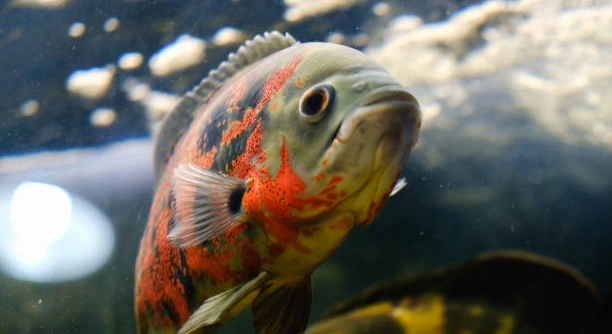
Oscar fish are known for their lively and active personalities, but sometimes they may suddenly stop moving, leaving you worried. Understanding why this happens can help you keep your fish happy and healthy.
Oscar fish can stop moving due to a variety of reasons, including illness, stress, changes in water conditions, or even their natural resting behavior. Monitoring their environment and health regularly can help prevent these issues.
Learning what causes this behavior and how to address it will ensure your Oscar fish remain active and thriving. Understanding their needs is key to providing a healthier living space.
Common Reasons for Inactive Oscars
Oscar fish can stop moving for many reasons, some of which are linked to their health or the environment. For instance, if the water temperature fluctuates too much, your Oscar may become sluggish. Stress can also cause inactivity, especially if there are other aggressive fish in the tank. Lack of space or poor water quality can have the same effect. Even if an Oscar is resting, it should still be somewhat active in its movements. So, if your Oscar is still and unresponsive for long periods, it could be a sign that something’s wrong.
Inactivity can be a natural behavior, but it’s important to look out for signs of stress or illness. Monitor their environment closely to ensure they’re not reacting to uncomfortable conditions.
If you notice your Oscar isn’t moving, check the water’s temperature and quality first. Oscars thrive in stable, clean environments. Regular maintenance can go a long way in keeping your fish happy. Also, make sure they have enough space to swim freely. A cramped tank can cause stress and lethargy. Ensure that your fish isn’t being bullied by tank mates, as this can lead to hiding and lack of movement.
When Should You Be Concerned?
If your Oscar’s inactivity continues for more than a day or two, it’s time to take action. This could be a sign of illness, particularly if other symptoms, like discoloration or loss of appetite, are present.
Check if your fish has been exposed to any environmental changes or stressful situations. Stress can be a major factor that causes Oscars to become lethargic. Consider re-evaluating their tank setup and ensure they’re not being disturbed by aggressive tank mates. Keeping an eye on their eating habits and behavior can help you catch problems early on. If your Oscar is still unresponsive after a few days, you may want to consult a veterinarian experienced with fish to rule out any diseases.
Water Quality and Temperature Issues
Oscar fish are very sensitive to water conditions. If the water is too cold or too warm, they might stop moving. Regularly check the temperature, aiming for 74–81°F (23–27°C). Poor water quality, like high ammonia or nitrite levels, can also cause stress and inactivity.
A sudden drop or rise in water temperature will make your Oscar uncomfortable, leading to inactivity. They need consistent conditions to thrive. Test the water regularly to ensure it’s within the right range for pH, ammonia, nitrites, and nitrates. High levels of waste in the water can harm their health and cause them to stop moving.
If the water quality is poor, make sure to perform partial water changes to keep it clean. Consider using a water filter that can efficiently remove toxins. A stable and clean environment is essential for your Oscar’s well-being. Without it, they may become stressed and lethargic. You can prevent this by testing the water often and making sure it stays within safe parameters.
Tank Size and Space Constraints
An Oscar fish needs plenty of space to swim and explore. If the tank is too small, they can become stressed and stop moving. Oscars can grow quite large, so a minimum tank size of 55 gallons is recommended for one fish.
With a tank that’s too small, your Oscar may feel confined, which can lead to stress and inactivity. It’s important to have enough space so that they can swim freely. The more space they have, the more active they’ll be. When they’re not able to move around comfortably, they may stop swimming altogether and become lethargic.
Make sure your tank is large enough and well-organized. Having enough space, along with hiding places and swimming areas, can make a huge difference in your Oscar’s activity levels. A cramped environment leads to poor mental and physical health. For a happy, active fish, a larger tank is a must.
Illness and Disease
If your Oscar stops moving and shows other symptoms, such as discoloration, lack of appetite, or abnormal swimming, they may be ill. Many diseases, like parasites or bacterial infections, can cause lethargy.
Infections often lead to inactivity, as the fish’s body tries to fight off the disease. You may also notice changes in their skin, eyes, or fins. If you suspect an illness, separate the fish and treat the tank water to prevent further spread.
If the symptoms worsen or don’t improve, it’s essential to consult a veterinarian. Early treatment can help reduce the risk of further complications.
Stress from Aggressive Tank Mates
Oscar fish are territorial and can become stressed by other aggressive fish in the tank. If they’re constantly harassed or intimidated, they might stop moving or hide.
Aggressive tank mates can make Oscars feel unsafe, causing them to become lethargic. It’s important to choose tank mates that are peaceful and won’t disturb your Oscar’s peace. If you have aggressive fish, consider separating them to reduce stress levels.
Natural Resting Behavior
Oscar fish, like many other species, need time to rest. They will occasionally stop moving, especially at night, to conserve energy and recover. This is completely normal.
It’s crucial to differentiate between resting and signs of illness. Oscars tend to rest for short periods, but they will usually become active again once they’ve recovered. Make sure to observe their behavior closely to ensure they aren’t showing any other concerning signs.
FAQ
Why is my Oscar fish staying still at the bottom of the tank?
If your Oscar fish is staying still at the bottom of the tank, it could be a sign of illness, stress, or poor water quality. Oscars typically rest at the bottom occasionally, but if they stay there for extended periods, it’s worth checking the water parameters. Ensure that the temperature is stable and within the ideal range, and test for ammonia, nitrites, and nitrates. A sudden change in the water can stress the fish, leading to lethargy. If the water quality is fine, consider whether your fish might be hiding from aggressive tank mates or dealing with an infection.
How do I know if my Oscar is sick or just resting?
It can be difficult to tell if your Oscar is sick or just resting. Generally, when Oscars rest, they may stay in one spot but still show some signs of movement, like slight body movements or fin flicks. If your Oscar is not moving at all, has a pale or discolored appearance, or shows signs of labored breathing, it may be sick. You should also watch for other signs such as lack of appetite, abnormal swimming patterns, or frayed fins. If these symptoms persist, it’s important to separate the fish from others and consult a veterinarian.
Can stress cause my Oscar to stop moving?
Yes, stress is a common reason why Oscar fish stop moving. Stress can be caused by poor water conditions, aggressive tank mates, overcrowding, or environmental changes. Oscars are territorial, and if they feel threatened or unable to escape an aggressive tank mate, they may become inactive or hide. Stress can also occur from factors like loud noises, frequent tank cleanings, or being in a tank that is too small. If your Oscar stops moving and seems stressed, try adjusting the environment to reduce the stress factors and give your fish some time to recover.
What are the best tank mates for an Oscar fish?
Oscar fish are known for being aggressive and territorial, so they require tank mates that can handle their behavior. Large, non-aggressive fish like other cichlids, certain catfish, and large tetras can be good companions. Avoid smaller fish that may be seen as food or get easily bullied by the Oscar. It’s best to house Oscars with fish that are similar in size and temperament, as they are likely to get along better and avoid constant conflicts. Be sure to provide enough space for each fish to establish its own territory.
How often should I clean my Oscar’s tank?
Regular cleaning is essential for keeping an Oscar fish healthy, but over-cleaning can cause stress. Typically, you should perform partial water changes (about 25–30%) every week. This helps maintain good water quality without disrupting the environment too much. Also, clean the filter regularly, as it can accumulate waste and affect water flow. However, avoid cleaning everything at once, as this can destabilize the tank’s ecosystem and stress your Oscar. A consistent cleaning schedule will help maintain a healthy tank for your fish.
How can I tell if the water quality is affecting my Oscar?
Oscar fish are very sensitive to water quality, and poor water can cause them to stop moving or behave oddly. If your Oscar seems lethargic or unresponsive, it’s worth checking the water parameters. You should regularly test for ammonia, nitrites, nitrates, and pH levels. The ideal water conditions for an Oscar are a temperature between 74-81°F, a pH level between 6.5 and 7.5, and low levels of ammonia and nitrites. If any of these parameters are off, your fish could be stressed, leading to inactivity or illness.
Is it normal for my Oscar to stop moving at night?
Yes, it is normal for Oscar fish to stop moving at night. Like many fish, Oscars have a natural cycle where they are more active during the day and rest during the night. They are generally not nocturnal creatures, so you might notice them staying still, usually near the bottom of the tank or hidden in a corner. As long as your Oscar is active during the day and doesn’t show any signs of distress, this nighttime stillness is completely normal. However, if your fish is inactive throughout the day and night, then it’s important to investigate other potential causes.
What temperature do Oscar fish prefer?
Oscar fish thrive in water temperatures between 74°F and 81°F (23°C to 27°C). Maintaining a consistent temperature is key for their health. If the water is too cold or too hot, your Oscar may become sluggish and inactive. You can use an aquarium heater to regulate the temperature and a thermometer to monitor it regularly. Sudden changes in temperature can cause stress, so avoid placing the tank in areas where it might be exposed to drafts, direct sunlight, or temperature fluctuations.
Can poor diet cause my Oscar to stop moving?
Yes, a poor diet can contribute to an Oscar’s inactivity. Oscars require a balanced diet rich in protein, and if they are not receiving enough nutrients, they may become lethargic. You should feed them high-quality pellets, live food, and occasional treats like bloodworms or shrimp. An imbalanced diet can lead to health problems that result in your fish becoming inactive. Avoid overfeeding, as this can also lead to obesity, which may contribute to a lack of movement. Make sure to adjust their diet based on their size and age.
What can I do to encourage my Oscar to move more?
If your Oscar is staying still, try improving their environment. Make sure the water quality is optimal, as poor water conditions can cause lethargy. Providing more space for swimming and adding hiding spots can reduce stress and encourage more movement. Consider adjusting the temperature to ensure it’s within the ideal range. If your Oscar is interacting with other fish, make sure there are no aggressive tank mates causing stress. Lastly, offer a variety of nutritious foods to keep your Oscar active and healthy.
Final Thoughts
Oscar fish are vibrant, active creatures that bring energy to any aquarium. However, when they suddenly stop moving, it can be concerning. Understanding the reasons behind this behavior is essential for addressing the problem and ensuring your fish stays healthy. Sometimes, a lack of movement is simply due to the fish resting, as Oscars, like many animals, need periods of stillness to recover. However, if inactivity persists, it could indicate more serious issues, such as stress, illness, or poor water conditions. By observing your Oscar closely and making necessary adjustments to its environment, you can often resolve the issue.
The most common causes of inactivity are related to water quality, tank space, and stress. Oscars are sensitive to changes in water conditions, so it’s important to keep the tank clean, the water temperature stable, and the pH levels within the ideal range. Poor water quality can stress your Oscar, leading to lethargy or illness. Tank size is also critical. If your Oscar feels cramped or doesn’t have enough space to swim freely, it may become inactive or hide. Stress from aggressive tank mates can further worsen the situation. Ensuring your Oscar has a peaceful environment and the right space can prevent many of these issues.
If your Oscar’s behavior doesn’t improve despite addressing water conditions and stress, it might be a sign of illness. In this case, separating the fish and seeking professional advice is the best course of action. Early detection of illness or disease can make a big difference in your Oscar’s recovery. With proper care and attention, your Oscar should regain its usual active self. Regular monitoring of their health and environment is key to maintaining a happy, healthy fish that thrives in your aquarium.

Hello,
If you enjoy the content that we create, please consider saying a "Thank You!" by leaving a tip.
Every little bit helps us continue crafting quality advice that supports the health, happiness, and well-being of pets around the world, for pets of all shapes, sizes, and species.
We really appreciate the kindness and support that you show us!