
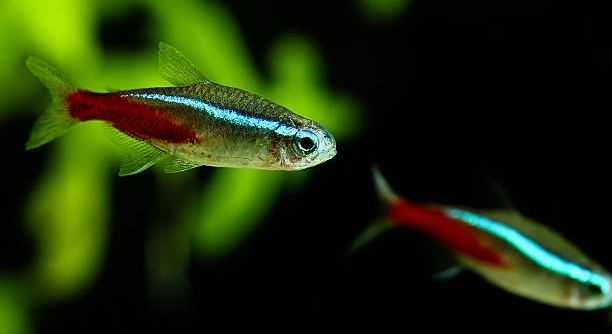
Neon Tetras are known for their colorful, lively schools in aquariums, often moving in perfect harmony. However, there are times when one or more of them may break away from the group.
Neon Tetras may separate from their school due to stress, environmental factors, or health issues. This behavior can also be triggered by changes in water conditions, overcrowding, or lack of hiding places, causing them to feel insecure.
Understanding why this happens can help you ensure your Neon Tetras thrive in a healthy, stress-free environment. By identifying the causes, you can take steps to prevent it.
Stress and Anxiety
Neon Tetras can become stressed for various reasons, such as sudden changes in the tank environment or aggressive tank mates. Stress impacts their behavior and well-being, causing them to swim away from the group. Over time, this can lead to a decrease in their overall health. Tetras are sensitive to changes like temperature fluctuations, loud noises, or a new aquarium setup. Even poor water quality can contribute to their stress. When they feel threatened or uncomfortable, they may leave the school and isolate themselves to seek relief.
If you notice your Tetra isolating itself, it’s essential to check for potential sources of stress. Stress is often temporary but can become chronic if unresolved. By addressing the root cause, you can reduce anxiety and help your Tetra feel more secure within the group.
Creating a peaceful environment with stable water conditions, hiding spots, and compatible tank mates can go a long way in reducing stress for Neon Tetras. They thrive in calm surroundings and will usually return to the school once they feel safe again.
Water Quality
Water quality is another major factor that can cause Neon Tetras to separate from the school. Poor water conditions, like high ammonia or nitrite levels, can stress out your fish and make them more prone to isolation. Even slight changes in pH or temperature can disrupt their comfort.
When water parameters are off, Neon Tetras may seek refuge in different areas of the tank. If the water is cloudy or has an unpleasant smell, it’s crucial to take immediate action. Regular water testing and maintenance can help avoid these issues. Keeping the tank clean and ensuring the water is properly filtered is essential for their health.
Neon Tetras thrive in stable and clean water environments. To maintain optimal water quality, perform routine water changes, use a good filtration system, and monitor water temperature regularly. Ensuring your Tetras have access to fresh, well-maintained water will help them stay active, healthy, and in school with their tank mates.
Overcrowding
When there are too many fish in a tank, Neon Tetras can feel cramped and anxious. Overcrowding leads to less space for swimming and hiding, which can trigger separation from the school. When this happens, the fish may become stressed, and their natural behaviors will be disrupted.
To prevent overcrowding, ensure your tank has enough room for the fish to move freely. Neon Tetras typically need about 1 inch of fish per gallon of water. A smaller tank will make them feel confined, leading them to isolate from the group. Maintaining proper tank size and avoiding overstocking will keep them comfortable.
Proper tank size is crucial for maintaining peace within the school. A 10-gallon tank is generally considered the minimum for a small group of Neon Tetras. It’s important to also account for the size of your other tank mates. Larger fish can further stress the Tetras by invading their space or behaving aggressively.
Health Issues
Neon Tetras, like all fish, are vulnerable to various health problems, such as parasites or bacterial infections. When they’re not feeling well, they may swim away from the group to avoid the stress of being around other fish. This behavior is often an attempt to rest and recover.
If you suspect that your Tetra is sick, closely observe for signs such as changes in swimming patterns, discoloration, or lesions. Sick fish tend to isolate themselves, as they do not have the energy to stay with the school. It’s essential to address any health issues promptly.
Treatment options vary depending on the illness. For parasites or fungal infections, a specialized medication might be needed. In cases of internal infections, adjusting the diet or water quality could help. Isolated fish need special attention to ensure they recover fully and rejoin their school.
Lack of Hiding Spots
Neon Tetras need places to hide when they feel threatened or stressed. Without hiding spots, they may become anxious and separate from the group. Providing decorations like plants, rocks, or caves offers security for the fish. It helps them feel safe and prevents isolation.
When there are no hiding spots, Tetras may stay away from the school to avoid exposure. Adding plants or decorations not only creates visual interest in your tank but also helps keep the Tetras calm. They will feel more secure and will be less likely to swim alone.
A well-planted tank with plenty of hiding spots allows Neon Tetras to retreat when necessary. This reduces stress and promotes healthy schooling behavior. They are social creatures that thrive when given privacy when needed.
Tank Temperature Fluctuations
Temperature changes in the tank can cause stress, leading Neon Tetras to separate from their school. These fish are sensitive to sudden shifts in temperature. Keeping the water temperature stable helps maintain their well-being. Use a reliable heater to keep the tank at a consistent level.
Neon Tetras thrive in temperatures between 72-78°F (22-26°C). Too high or too low of a temperature can cause stress and lead to behavioral changes like separation. It’s important to monitor water temperature and adjust the heater to avoid large fluctuations.
Stable tank conditions will help maintain healthy, active Neon Tetras.
FAQ
Why do Neon Tetras swim away from the school?
Neon Tetras may swim away from their school due to stress, health issues, or environmental factors. They are social fish, but when they feel uncomfortable, they tend to isolate themselves. This could be caused by factors such as poor water quality, aggression from other fish, or a lack of hiding places. When feeling stressed or threatened, they often separate from the school to seek a safer spot.
How can I reduce stress in my Neon Tetras?
To reduce stress in Neon Tetras, ensure they have a peaceful and stable environment. Maintaining clean water with proper filtration, monitoring the water temperature, and avoiding overcrowding can help keep them calm. Additionally, adding plants, rocks, and caves provides hiding places that make them feel secure. Avoid introducing aggressive tank mates, as this can also trigger stress.
How do I know if my Neon Tetra is sick?
Sick Neon Tetras may exhibit several symptoms, such as faded colors, abnormal swimming behavior, or unusual spots or lesions on their body. They might also isolate themselves from the rest of the school. If you notice any of these signs, it’s important to examine the fish closely and consider treating it for potential diseases or infections. Isolating sick fish is crucial to prevent further stress and spreading illness.
Do Neon Tetras need to be in a school?
Yes, Neon Tetras are schooling fish. They feel most comfortable and secure when kept in groups of at least 6-8 individuals. A smaller group can cause stress and result in isolated behavior. Schooling is a natural instinct for them, and being in a group helps them feel safe and secure, reducing stress and promoting healthy social interaction.
Can Neon Tetras live with other fish?
Neon Tetras can live with many other peaceful fish species. However, it’s essential to avoid larger or more aggressive fish, which may stress or harm them. They do well with other small, non-aggressive species like guppies, corydoras catfish, and other small tetra species. Always research tank mates to ensure compatibility and avoid conflicts.
How often should I change the water in my Neon Tetra tank?
Water changes should be done regularly to maintain optimal water quality. For a tank with Neon Tetras, it’s recommended to perform a 25-30% water change every 1-2 weeks. If the tank is heavily stocked or has poor filtration, more frequent changes may be necessary. Always test the water for ammonia, nitrites, and nitrates to ensure they are at safe levels.
What temperature is best for Neon Tetras?
Neon Tetras thrive in temperatures between 72-78°F (22-26°C). Keeping the tank temperature stable within this range is essential for their health and comfort. Temperature fluctuations can cause stress and lead to isolation behavior. A good aquarium heater with a thermometer will help maintain the right temperature in the tank.
What can cause Neon Tetras to lose their color?
Neon Tetras can lose their vibrant colors due to stress, poor water quality, or health issues. A stressed Tetra might not display its usual bright blue and red hues. Inadequate diet, illness, or environmental factors like high ammonia levels can also cause their colors to dull. Regular water changes, maintaining a stable environment, and providing a balanced diet can help them maintain their vibrant colors.
How can I improve the water quality in my tank for Neon Tetras?
To improve water quality for Neon Tetras, maintain a reliable filtration system that removes toxins and debris. Regularly test the water for ammonia, nitrites, and nitrates to ensure they are within safe levels. Perform routine water changes and avoid overfeeding, as excess food can lead to poor water conditions. Proper aeration and keeping the tank clean will also help maintain good water quality.
Can Neon Tetras live in cold water?
Neon Tetras are not cold-water fish. They are tropical fish and require a stable temperature between 72-78°F (22-26°C). Cold water can cause stress and weaken their immune system, making them more susceptible to illness. It’s important to keep the water within the appropriate temperature range to ensure their health and well-being.
Why do my Neon Tetras keep hiding?
Neon Tetras may hide for various reasons, including stress, illness, or feeling threatened. If there are aggressive fish in the tank or if the water quality is poor, the Tetras may seek refuge in hiding spots. It could also be a sign of a health issue. If hiding persists, it’s essential to check the tank’s water conditions and the behavior of other fish. Adding more plants or decorations can help create a more secure environment.
Can Neon Tetras live alone?
Neon Tetras are schooling fish and should not be kept alone. They feel most comfortable and secure when kept in groups. Keeping them alone can lead to stress, inactivity, and even health problems. A group of at least 6-8 Neon Tetras will help them thrive and reduce isolation behavior. It’s best to keep them in a school to maintain their natural behavior and well-being.
Final Thoughts
Neon Tetras are beautiful, peaceful fish that thrive in a school with their tank mates. However, there are times when they may separate from the group. This behavior is usually linked to stress, environmental factors, or health problems. It’s important to keep a close eye on their tank conditions to ensure their well-being. Stress can be caused by overcrowding, poor water quality, or the presence of aggressive fish. Providing hiding spots, maintaining clean water, and keeping the water temperature stable can help reduce stress and keep your Tetras happy and healthy.
When Neon Tetras are sick, they may also isolate themselves from the school. Identifying signs of illness early, such as changes in swimming behavior or appearance, is crucial for their recovery. Sick fish require attention and often need to be separated from the group to avoid spreading illness. A clean tank with the right water conditions and a balanced diet plays a big role in preventing diseases and keeping your Tetras in good health. If necessary, you can treat them with medications designed for common fish diseases.
Overall, understanding the factors that affect your Neon Tetras can help you create a better environment for them. By providing a peaceful tank with the right conditions and compatible tank mates, you’ll ensure that your Tetras are comfortable and healthy. A stable, well-maintained environment will not only reduce the chances of your Tetras separating from the school but also promote their natural behaviors and vibrant colors. Regular water changes, appropriate tank size, and a balanced ecosystem are key to keeping your Neon Tetras happy.

Hello,
If you enjoy the content that we create, please consider saying a "Thank You!" by leaving a tip.
Every little bit helps us continue crafting quality advice that supports the health, happiness, and well-being of pets around the world, for pets of all shapes, sizes, and species.
We really appreciate the kindness and support that you show us!