
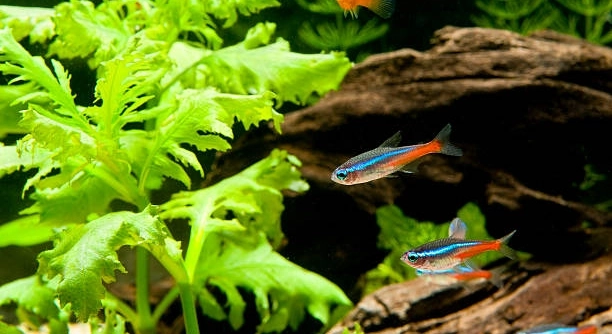
Neon tetras are popular aquarium fish known for their vibrant colors. However, sometimes they appear transparent, which may raise some questions. This article explores why neon tetras might look see-through and provides helpful insights.
The transparency of neon tetras is often caused by a variety of factors, such as stress, poor water quality, or health issues. A sudden change in environment or a lack of proper nutrition can also lead to the loss of vibrant coloration, making them appear clear.
Understanding the reasons behind this can help ensure the well-being of your fish. From stress to diet, there are various factors that contribute to this change in appearance.
Stress and Environmental Factors
Neon tetras are particularly sensitive to changes in their environment. Factors such as sudden temperature shifts, fluctuating water pH, or overcrowding in the tank can cause them significant stress. This stress can lead to a loss of their vibrant color, leaving them looking more transparent. When they feel threatened or uneasy, their bodies might not produce the pigments necessary to maintain their bright appearance. This often happens when they’re not given enough time to adjust to a new setting or when the tank’s conditions are unstable.
Stress can also come from other fish in the tank. Aggressive or overly dominant species can cause neon tetras to hide and avoid feeding, contributing to a more transparent look. In a tank that isn’t calm and balanced, your tetras may appear pale and weak. Providing a stable, peaceful environment is key to helping them maintain their vivid colors.
To prevent this, avoid drastic changes in water conditions. Keep a stable temperature and maintain appropriate tankmates. Regular water testing and good filtration systems can also reduce the chances of stress. A calm and suitable environment can help your neon tetras thrive.
Poor Water Quality
Water quality plays a huge role in the health and appearance of neon tetras. If the tank water isn’t clean or properly filtered, fish can suffer from poor health, which affects their coloration. High levels of ammonia, nitrites, or nitrates can stress out the tetras and cause them to lose their vibrant look. Neon tetras need clean water to stay healthy and colorful.
Consistently monitoring and maintaining water quality can help avoid these problems. Keep the water parameters in check with regular water changes and high-quality filtration.
Inadequate Diet
A poor diet can cause neon tetras to lose their color and appear more transparent. These fish need a balanced and nutritious diet to maintain vibrant hues. If they’re not fed enough variety or quality foods, their health and appearance can deteriorate. This might be especially true for younger tetras or those in an environment lacking proper nutrition.
Neon tetras primarily require high-quality flake or pellet food. Additionally, supplementing with live or frozen foods like brine shrimp or daphnia can enhance their color. Make sure they are fed small, frequent meals, as overeating or underfeeding can both lead to health issues. A lack of proper diet can make them less resilient to stress, making them more likely to appear transparent.
Over time, without the right nutrients, neon tetras’ body colors will fade, and they might lose their usual vibrancy altogether. This also makes them more prone to illness, further exacerbating the transparency issue. A balanced diet is one of the easiest ways to maintain their vivid colors and overall health.
Poor Health or Illness
Neon tetras, like any other fish, can become sick and look transparent when unwell. Diseases such as internal parasites, bacterial infections, or even external injuries can lead to a noticeable change in their appearance. Ill fish often become weak, and their colors fade due to the lack of energy for pigment production.
A weakened immune system from disease or illness often results in a transparent look. Infected tetras may hide more, swim lethargically, or stop eating, contributing further to their pale appearance. If you notice a sudden color change along with these symptoms, it could indicate an underlying health problem that needs attention.
Regularly monitor your tetras for signs of illness. Quarantining sick fish and adjusting their treatment promptly can prevent further damage. Proper tank maintenance and prompt response to health issues are crucial in preventing health problems from affecting their appearance. A quick diagnosis and treatment plan can restore their natural colors.
Overexposure to Light
Neon tetras are sensitive to light, and prolonged exposure to intense light can stress them. Bright, harsh lighting can cause them to lose their color, leaving them looking transparent. Tetras thrive in a dimly lit environment where they feel secure and can display their natural hues.
Ensure your aquarium has a lighting system that mimics the natural light cycle. Use moderate lighting and avoid keeping the lights on for extended periods. Providing a dark period every night allows your fish to rest and recover, which helps preserve their vibrancy.
Genetics
Some neon tetras are naturally less vibrant due to their genetics. Even with the best care, certain fish may not display the vivid colors commonly seen in others. This can result in a more transparent or dull appearance. Genetics can limit their coloration despite optimal living conditions.
If you’ve noticed some of your tetras are always more transparent than others, genetics may be the cause. These fish may have a lighter natural color, and no amount of care can change that.
Lack of Oxygen
If the oxygen levels in the tank are low, neon tetras can become stressed. This can lead to a decrease in their color vibrancy. Fish with insufficient oxygen intake may appear more transparent due to lack of energy or poor circulation.
Maintaining good water circulation and ensuring adequate aeration can prevent this issue. Regularly check your filtration system to make sure it’s working properly, as this helps to keep the water oxygenated.
FAQ
Why do neon tetras appear transparent sometimes?
Neon tetras can look transparent when they are stressed, sick, or exposed to poor water quality. Environmental factors like fluctuating water temperature, overcrowding, or a lack of proper nutrition can also contribute to their faded appearance. When these factors impact their health, the tetras might not produce the pigments needed to maintain their vibrant colors.
Can poor water quality cause neon tetras to look transparent?
Yes, poor water quality is one of the main reasons neon tetras lose their color. High levels of ammonia, nitrites, and nitrates in the water can stress the fish, leading to a pale, transparent appearance. Regular water changes and proper filtration can help prevent this issue.
How does stress affect neon tetras?
Stress in neon tetras can cause them to lose their color. If they are exposed to sudden changes in their environment, like temperature fluctuations, aggressive tankmates, or overcrowding, their body may not produce the pigments needed to maintain their bright appearance. Stress can also weaken their immune system, making them more susceptible to diseases.
Can diet affect the color of neon tetras?
Yes, diet plays a significant role in the color of neon tetras. If they are not provided with a balanced and nutritious diet, they may appear pale or transparent. High-quality flake foods, supplemented with live or frozen options like brine shrimp, can help maintain their vibrant colors. A varied diet ensures they get the necessary nutrients to thrive.
What should I feed my neon tetras to maintain their color?
To maintain their vibrant color, feed neon tetras high-quality flake or pellet food designed for small tropical fish. Supplement their diet with live or frozen foods like brine shrimp, daphnia, or bloodworms. Offering a variety of foods will help ensure they get all the nutrients needed to stay healthy and colorful.
Can diseases make neon tetras look transparent?
Yes, diseases like internal parasites or bacterial infections can make neon tetras appear transparent. Sick fish often become weak, which affects their ability to maintain their color. If a neon tetra’s appearance changes and it shows signs of lethargy or loss of appetite, it’s important to isolate the fish and treat it promptly.
How can I prevent my neon tetras from getting sick?
To prevent illness, maintain a clean, stable tank environment. Regularly check water parameters like pH, ammonia, nitrites, and nitrates. Perform routine water changes and ensure good filtration. Avoid overcrowding the tank, and only introduce compatible species to reduce the chances of stress and disease. Quarantine new fish before adding them to your tank.
Can overexposure to light cause neon tetras to look transparent?
Yes, overexposure to bright light can stress neon tetras, leading to a loss of color. They thrive in dimly lit environments, so it’s best to provide moderate lighting in your aquarium. Keep the light cycle balanced and ensure there is a period of darkness at night to allow the tetras to rest and recover.
How can I maintain proper lighting for my neon tetras?
To maintain proper lighting, use a timer to control the light cycle, ensuring your neon tetras get 8-12 hours of light per day. Avoid harsh, direct lighting, and use aquarium lights designed for fish. If the tank is in a room with natural light, ensure the aquarium is not exposed to too much sunlight, which can also cause algae growth.
Are there specific tankmates that can help prevent neon tetras from becoming stressed?
Yes, peaceful tankmates can help reduce stress in neon tetras. Avoid aggressive fish, as they may intimidate or harass the tetras, causing them to lose their color. Ideal tankmates for neon tetras include other small, peaceful species like guppies, corydoras, or shrimp. A calm environment helps tetras feel safe and maintain their vibrant appearance.
Can genetics play a role in neon tetras’ transparency?
Genetics can contribute to a neon tetra’s appearance. Some fish naturally have a lighter or less vibrant color, even in ideal conditions. If your neon tetra has always appeared transparent or pale, it could be due to genetic factors. While diet and environment can enhance their colors, genetics may limit the extent of their vibrancy.
How can I improve the color of my neon tetras?
To improve the color of your neon tetras, ensure they are in a stable, low-stress environment with clean water. Feed them a balanced, nutritious diet with high-quality flakes and supplements like live or frozen food. Regular water changes, proper filtration, and avoiding overcrowding will help them maintain or regain their natural vibrancy.
How often should I perform water changes for my neon tetras?
It’s recommended to change 20-30% of the water in your neon tetra’s tank every 1-2 weeks. Regular water changes help maintain a healthy environment by removing excess waste, toxins, and nitrates. Keeping the water clean reduces the stress on the fish and helps preserve their vibrant colors.
What temperature is best for neon tetras?
Neon tetras prefer water temperatures between 70-81°F (21-27°C). Maintaining a stable temperature within this range helps keep the fish comfortable and healthy. Sudden fluctuations in temperature can cause stress and lead to a loss of color. Using a reliable heater and thermometer can help maintain consistent water temperature.
Can neon tetras lose their color naturally as they age?
Yes, as neon tetras age, their colors may naturally fade. While this is not always the case, older fish may lose some vibrancy. However, providing the right care, diet, and environment can help maintain their color longer. Aging fish may still retain some of their neon blue hue, even if it’s less intense.
Is it normal for neon tetras to be transparent for a short period?
Yes, it’s normal for neon tetras to appear slightly transparent when they are stressed, frightened, or adjusting to a new environment. With time and proper care, their colors should return. However, if the transparency persists, it may indicate a more serious issue that requires attention, such as poor water quality or illness.
Final Thoughts
Neon tetras are beautiful and vibrant fish that can add a lot of color to an aquarium. However, they may sometimes appear transparent, which can be concerning. There are several reasons why this happens, and understanding the causes can help you maintain a healthy and colorful aquarium. Whether it’s stress, poor water quality, or improper diet, these factors can impact the appearance of your tetras. With the right care and attention, you can prevent these issues and keep your fish vibrant.
Proper water quality is one of the most important aspects of keeping neon tetras healthy. Ammonia, nitrites, and nitrates should be regularly monitored and kept at safe levels. A reliable filtration system and regular water changes will help ensure that the water stays clean and oxygenated. Additionally, maintaining a stable temperature and avoiding overcrowding are also essential in creating a stress-free environment. When the conditions are right, neon tetras will be able to display their full color potential.
In addition to water quality, a balanced diet is crucial for the health of neon tetras. High-quality flakes, along with live or frozen foods like brine shrimp or daphnia, will provide them with the nutrients they need. A varied diet ensures they get the right vitamins and minerals to maintain their natural color. Avoiding overfeeding is also important, as leftover food can lead to water quality problems. By taking care of both their environment and diet, you’ll help your neon tetras thrive and show their true vibrant colors.

Hello,
If you enjoy the content that we create, please consider saying a "Thank You!" by leaving a tip.
Every little bit helps us continue crafting quality advice that supports the health, happiness, and well-being of pets around the world, for pets of all shapes, sizes, and species.
We really appreciate the kindness and support that you show us!