
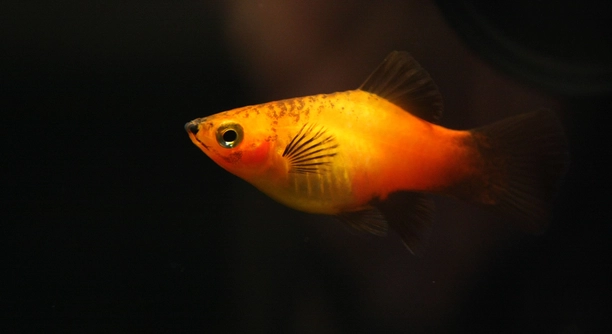
Platies are popular freshwater fish known for their peaceful nature and vibrant colors. Sometimes, they may suddenly ignore each other, which can puzzle many aquarists. This behavior change often raises concerns about their health or environment.
Platies may ignore each other due to changes in their social dynamics, stress from overcrowding, water quality issues, or shifts in their environment. These factors influence their interactions, causing them to become less social or avoid one another.
Understanding the reasons behind this behavior can help maintain a balanced tank and ensure your platies remain healthy and interactive. This article explores common causes and practical solutions for their sudden change in behavior.
Changes in Social Dynamics Among Platies
Platies live in groups and usually enjoy peaceful interactions. However, their social structure can change unexpectedly. When new fish are added or some are removed, the existing group adjusts its hierarchy. This adjustment may cause some platies to avoid others temporarily. Dominance behaviors or territorial disputes can also lead to brief periods of ignoring. Additionally, if a platy is sick or stressed, other fish might steer clear to avoid potential threats. These social changes are natural but can be unsettling to observe. Keeping a close eye on behavior helps identify when these changes are temporary or signs of deeper problems. Regular monitoring ensures the group can return to harmony.
Social shifts in platies often resolve once the fish settle into a new routine or environment.
Maintaining a stable group size and minimizing sudden changes can help prevent prolonged ignoring behaviors. Providing enough space and hiding spots supports peaceful coexistence. Observing your platies’ interactions regularly helps catch early signs of stress or aggression, allowing timely adjustments to tank conditions or population.
Impact of Water Quality on Behavior
Poor water quality affects platies’ health and behavior quickly. High ammonia, nitrite, or nitrate levels cause stress and discomfort. This can make platies withdraw or avoid others to conserve energy and recover. Regular water testing and changes are essential for maintaining clear, healthy water. Proper filtration and avoiding overfeeding prevent waste buildup and keep the environment stable. Clean water supports social behaviors and overall wellbeing.
Inadequate water conditions reduce oxygen levels and increase toxins, which harm platies.
When water quality declines, platies become sluggish and less interactive. Stress weakens their immune system, making them more vulnerable to diseases. This can lead to hiding or ignoring behavior as they try to cope. Frequent water testing and maintenance are critical to prevent these issues. Changing 20-30% of the water weekly helps maintain balance. Using water conditioners neutralizes harmful substances. Keeping the tank clean and stable encourages platies to stay active and social. A healthy environment directly influences their behavior and lifespan, so water care should never be overlooked.
Overcrowding and Its Effects
Too many platies in one tank create stress and competition for resources. This often leads to fish ignoring each other to avoid conflict.
Overcrowding limits swimming space and hiding places, which increases tension among platies. When stressed, fish may stop socializing or become aggressive. This behavior is a survival instinct to reduce risk. Ensuring the tank size matches the number of fish helps keep peace. Adding plants and decorations provides shelter and breaks lines of sight, reducing stress. Monitoring the number of fish and their behavior regularly is key to a calm environment.
If overcrowding continues, platies may suffer from weakened immune systems and increased illness. Creating a balanced community with fewer fish supports healthier, more interactive platies that thrive together.
Changes in Tank Environment
Sudden changes in temperature, lighting, or water chemistry can disrupt platies’ behavior. These shifts often cause temporary withdrawal.
Consistent conditions support platies’ comfort and social nature. Rapid temperature drops or spikes stress fish, making them less likely to interact. Similarly, changes in lighting patterns can disturb their daily rhythm, causing confusion and isolation. Water chemistry changes, such as pH swings, also affect their mood and health. Keeping temperature stable around 74–78°F and maintaining steady lighting schedules encourages natural behaviors. Gradual adjustments in tank conditions help fish acclimate without stress. Regular testing ensures water parameters remain stable.
A well-maintained, stable environment allows platies to focus on socializing rather than coping with stress, improving their overall behavior and well-being.
Illness and Its Impact
Sick platies often isolate themselves and avoid others. This behavior helps reduce the spread of disease and allows the fish to rest.
Other fish may also keep their distance from a sick tank mate. Early signs of illness include lethargy, discoloration, or clamped fins.
Stress from Frequent Handling
Frequent tank cleaning or moving platies can cause stress. This stress reduces their willingness to interact and increases hiding behavior.
Stress weakens immune systems, making platies more prone to illness. Minimizing handling and keeping a calm environment helps platies stay active and social.
Lack of Stimulation
A bare tank with little enrichment can lead to boredom and less interaction among platies. Environments rich in plants and decorations encourage activity.
Feeding Routine Changes
Irregular or inconsistent feeding schedules can disrupt platies’ normal behavior and social interactions. Consistency helps maintain a peaceful tank atmosphere.
FAQ
Why are my platies suddenly ignoring each other?
Platies may ignore each other due to changes in social hierarchy, stress, illness, overcrowding, or water quality issues. These factors cause them to withdraw or avoid interaction temporarily. Observing their environment and behavior closely helps identify the cause and address it promptly.
Can platies become aggressive when they ignore each other?
Yes, stress or overcrowding can lead to aggression. Some platies may act territorial or chase others, causing avoidance behavior. Providing enough space and hiding spots reduces tension and supports peaceful coexistence.
How often should I test my tank water?
Testing water weekly is ideal for maintaining stable conditions. Regular checks of ammonia, nitrite, nitrate, and pH help detect problems early. This keeps the environment healthy and reduces stress that affects platies’ social behavior.
What is the best tank size for platies?
A minimum of 10 gallons for a small group is recommended. Larger tanks reduce crowding and stress, promoting natural interactions. More space also allows better water quality management and less competition.
How many platies should be kept together?
Keeping at least 3 to 6 platies together helps maintain social balance. Too few can cause loneliness, while too many lead to overcrowding. Adjust tank size accordingly to prevent stress and ignoring behavior.
Can changing tank decorations help platies interact more?
Yes, adding plants and hiding places encourages natural behavior and reduces stress. Decorations break sight lines, lowering aggression and supporting calm social interactions. Avoid drastic changes to prevent upsetting the fish.
How does temperature affect platies’ social behavior?
Platies thrive between 74°F and 78°F. Temperatures outside this range can cause stress, making them less active and social. Stable temperatures support their health and encourage normal group behavior.
What signs indicate a sick platy is causing social withdrawal?
Signs include lethargy, loss of appetite, faded colors, or clamped fins. Sick fish may isolate themselves, and others might avoid them. Early treatment improves recovery and helps restore normal social interactions.
Is it normal for platies to ignore each other sometimes?
Yes, occasional ignoring happens as part of their social adjustment or rest periods. Persistent avoidance or other unusual behavior signals a problem that needs attention.
Can feeding routines affect platies’ behavior?
Irregular feeding can increase stress and disrupt social patterns. Consistent feeding times help maintain routine and reduce tension, encouraging peaceful group interactions.
What should I do if my platies show signs of stress?
Check water quality, tank size, and social dynamics first. Perform partial water changes and reduce handling. Adding plants or decorations can create a calming environment. If symptoms persist, consult a vet or fish expert.
Can new platies disrupt existing social structures?
Introducing new fish often changes group dynamics temporarily. This can lead to ignoring or mild aggression as the group reestablishes hierarchy. Quarantining new fish and gradual introductions help ease this transition.
How long does it take for platies to settle after changes?
Adjustment periods vary but usually last a few days to a couple of weeks. During this time, monitoring behavior and environment ensures problems do not worsen.
Does lighting affect platies’ social behavior?
Yes, consistent lighting helps maintain their natural rhythms. Sudden changes or too much light can stress platies, leading to less social interaction. A regular day-night cycle is best.
Can platies recognize each other?
Platies can recognize familiar tank mates through sight and behavior. This recognition supports social bonds but can also lead to avoidance if conflicts arise.
Are platies schooling fish?
Platies are not strict schoolers but prefer groups for security. They swim loosely together and benefit from social companionship, which reduces stress and promotes healthier behavior.
How do I encourage my platies to interact more?
Maintain good water quality, stable conditions, proper tank size, and consistent feeding. Add plants and decorations for stimulation. Avoid overcrowding and minimize stressful disruptions.
What happens if ignoring behavior continues for a long time?
Prolonged avoidance may indicate ongoing stress, illness, or unsuitable conditions. This can weaken immunity and reduce lifespan. Taking prompt corrective action improves their welfare.
Is it possible for platies to become reclusive permanently?
If underlying causes like illness or poor environment are not addressed, some platies may remain withdrawn. Regular care and observation are important to prevent this.
How can I tell if my tank is too crowded?
Signs include aggressive behavior, frequent chasing, poor water quality, and fish hiding excessively. Follow stocking guidelines and monitor fish to maintain balance.
What are the best plants to add for platies?
Hardy plants like Java fern, Anubias, and hornwort offer hiding spots and reduce stress. Floating plants provide shade and shelter, encouraging calm behavior.
Should I separate aggressive platies?
If aggression is severe or persistent, separating the aggressive fish prevents injury and stress. Rearranging the tank or increasing space may also help reduce conflict.
How important is a stable feeding schedule?
Very important. Feeding at regular times supports routine and reduces stress, helping platies remain active and social.
Can stress from water changes cause ignoring?
Frequent or large water changes can stress platies, making them avoid each other. Performing gradual, partial water changes minimizes this risk and helps maintain stability.
Is it normal for platies to hide after a water change?
Yes, hiding briefly after water changes is normal as they adjust to the new environment. If hiding continues, check water parameters for issues.
What role does tank cleanliness play in platies’ behavior?
A clean tank reduces stress and disease risk, promoting healthy interactions. Regular cleaning and maintenance help platies stay active and social.
Can platies become bored in the aquarium?
Yes, lack of stimulation can cause boredom and reduced activity. Adding plants, decorations, and occasional changes helps keep them engaged.
How often should I rearrange tank decorations?
Occasional rearranging can stimulate activity but avoid frequent changes. Too many changes stress platies and may cause withdrawal or aggression.
Are there specific signs to watch for indicating social problems?
Watch for increased hiding, chasing, loss of appetite, or faded colors. These signs may indicate stress or illness affecting social behavior.
What can I do if my platies ignore each other but show no signs of illness?
Focus on environment stability, water quality, and tank size. Ensure proper feeding and reduce stressors. Most social issues improve with stable care.
Platies are generally peaceful and social fish, but sudden changes in their behavior, such as ignoring each other, can happen for several reasons. It is important to remember that this behavior is usually a sign that something in their environment or group dynamics has shifted. Factors like stress, water quality, overcrowding, illness, or changes in their surroundings all affect how platies interact. Recognizing these influences early helps ensure the health and well-being of your fish. Careful observation and regular maintenance of the tank can prevent many common issues that cause platies to withdraw from one another.
Maintaining a stable and comfortable environment is key to encouraging healthy social behavior among platies. This includes providing enough space, clean water, consistent feeding schedules, and suitable hiding places. Avoiding sudden changes or overcrowding reduces stress and supports a peaceful community. When new fish are introduced, gradual acclimation can help the group adjust without disruption. It is also important to monitor the fish closely for signs of illness or stress. Early intervention when problems appear can stop negative behavior patterns from becoming long-term. Simple adjustments in tank conditions often restore balance and encourage platies to be more active and interactive.
Understanding your platies’ behavior takes patience and attention, but it is rewarding when the group returns to normal social activity. Ignoring behavior is rarely permanent and usually signals a temporary problem that can be corrected. By maintaining good water quality, providing an appropriate tank setup, and keeping a stable routine, you help create the best environment for your platies to thrive. A healthy, well-cared-for tank encourages natural social interactions and vibrant behavior. Consistent care and observation make it easier to spot and fix problems early, ensuring your platies remain lively companions in your aquarium.

Hello,
If you enjoy the content that we create, please consider saying a "Thank You!" by leaving a tip.
Every little bit helps us continue crafting quality advice that supports the health, happiness, and well-being of pets around the world, for pets of all shapes, sizes, and species.
We really appreciate the kindness and support that you show us!